




 Animal Encounter
 Our Locations
 Family Fun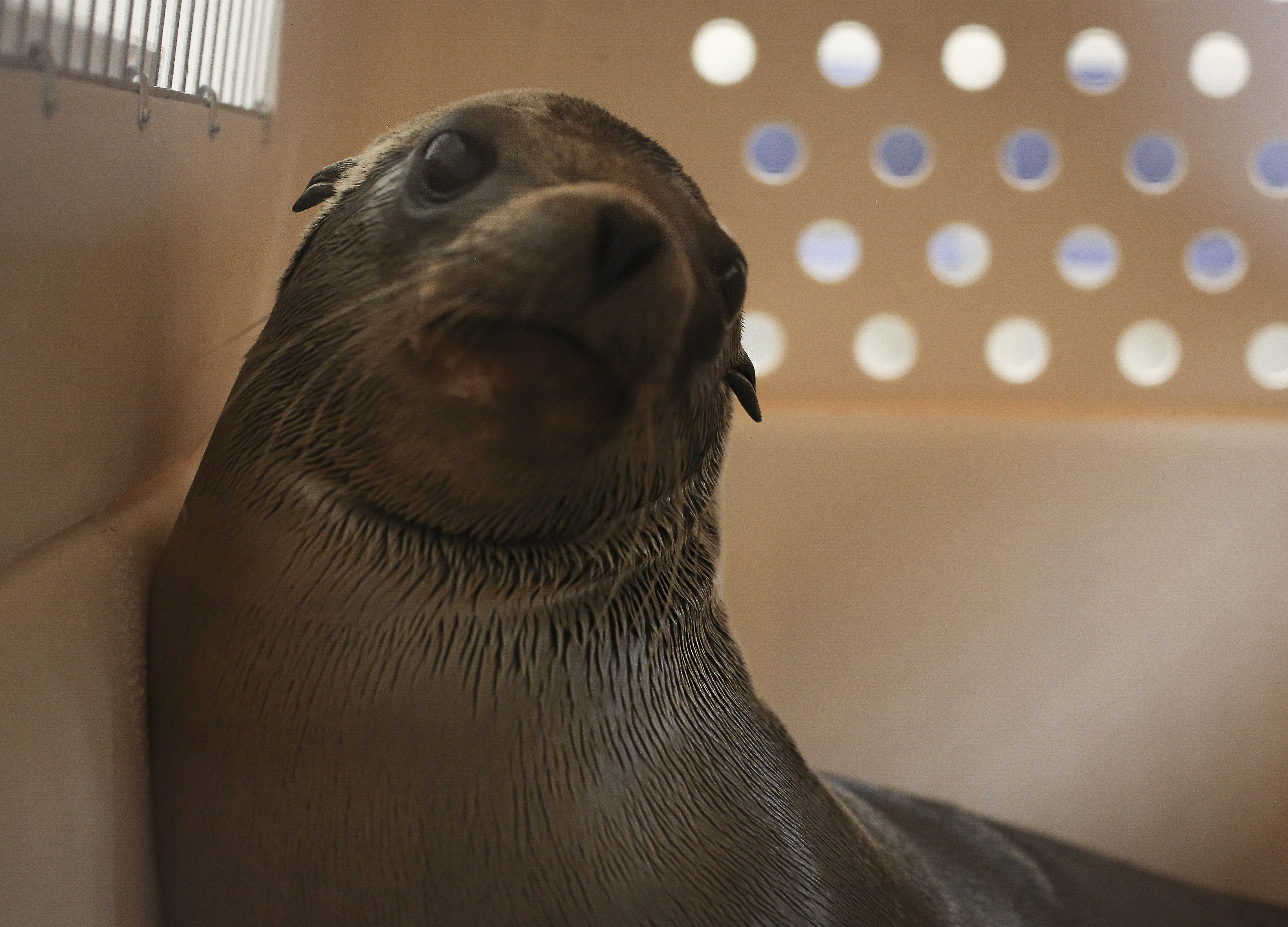
 Meet Ripley!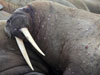
Search
Search results for ""
348 Results Found
Pages
Below is a list of our most frequently asked questions. If your question isn't answered here, please email and we will respond as soon as possible. If you have an immediate question, please call Ocean Connections at 414-453-5527 ext 1. General Questions Aquatic Adventure Sea Lion Splash and Caring for Flippered Friends Underwater Journey Summer Camps Private Parties
Pages
We know you can't be at Ocean Connections all the time, so we brought some of our fun online! Want to color a picture right on your computer? Check out our online coloring book. You can also print out a fun word search and crossword puzzle from our puzzles page. Additionally, we have some cool desktop wallpapers that you can download on our free downloads page. We'll be adding additional games and trivia soon. In the meantime, if you'd like to know the differences between seals and sea lions, you can read all about it in our animals section.
Newsletters
The Holiday Season is a time for giving! Are you looking for a way to give back? Since 1991, Ocean Connections has been striving to excel in the field of marine mammal science and education. It is with the support of our gracious donors that we are able to provide exceptional animal welfare for the marine mammals within our care while creating a place where our guests can meet these extraordinary animals and learn about marine life, conservation and today’s environmental demands. All donations made to Ocean Connections are used in providing exceptional animal care, constantly improving upon husbandry and veterinary needs, and supporting our conservation and research efforts directed towards the future of marine life in the wild. We hope that you will consider Giving Back this holiday season with a gift to support marine mammal care and conservation. Our animals thank you!
News Item
Support Ocean Connections Today! It's giving season and you can make a huge impact on marine life no matter where you live! Proceeds from our Giving Tuesday Fundraiser help cover the cost of veterinary bills, provide new toys for our animals, and allow us to care for rescued marine mammals. Help us, help them this Giving Tuesday as every donation is appreciated. Here's how you can help: 🦭 Symbolically Adopt an Animal 🦭 Bid on Animal Paintings, Interactive Experiences, and Other Amazing Silent Auction Items 🦭 Donate to Our Cause Bid high, bid often, and help make a difference in these animals' lives! Check out the fundraiser by clicking here.
News Item
It is with heavy hearts that Oceans of Fun said good-bye to Slick, our beloved California Sea lion on Friday March 10th. Slick, at 30 years of age, was believed to be the oldest male California sea lion in human care. In the wild, male sea lions live on average 8-10 years. Tripling that life span at Oceans of Fun, Slick was an ambassador for his wild counterparts, touching thousands of hearts and educating Milwaukee patrons about marine mammal conservation. Slick was the dominant male at Oceans of Fun and a favorite among guests at the Milwaukee County Zoo. During his life, Slick sired 8 beautiful pups. At Oceans of Fun, Slick was a loved member of our family. Slick had an affinity for people, often choosing to hang out with his trainers for daily back rubs and affection. He could always be counted on to bring smiles and kisses into our days. He taught many trainers throughout his years and impacted all of us positively every day.. He will be greatly missed and forever remembered. Slick's memory will live on in all of us and will be fondly remembered. If you would like to show your love for Slick, we have started the Slick Conservation Fund in his honor. All of the proceeds from any of our Slick merchandise will be donated and directly contribute to the conservation projects of Oceans of Fun. To view and/or purchase any of this merchandise visit our Slick Conservation Fund
News Item
Secretary of Tourism Stephanie Klett joined Governor Scott Walker on May 1st at Oceans of Fun. We were excited to be able to offer a unique learning opportunity about our wonderful animals and their wild counterparts to help educate about conservation and steps we can take to help seals and sea lions in the wild. It didn't take long for the FUN to break out as our celebrities met Slick and Scooter up close. Between fish, sea lion kisses and backrubs we introduced the Governor and Secretary to the wonderful world of marine mammals providing a morning to remember!
Pages
Ocean Connections is fortunate to be located in Milwaukee, WI near one of the world’s great freshwater resources, Lake Michigan. As part of the Great Lakes, Lake Michigan provides families and the community with fresh drinking water, recreation and a beautiful landscape to enjoy. The Great Lakes contain about 20% of the world’s freshwater. This intricate web of life affects the weather and climate, wildlife and habitats. This valuable resource is facing many challenges from invasive species to pollution. We hope to make a difference by spreading information regarding some of the environmental issues related to Great Lakes ecology and conservation. History of the Great Lakes The Great Lakes have played a vital role in the growth of our country. Connected to the Atlantic Ocean, these lakes have provided a means for transporting goods and people across the seas. Cargo ships and barges have been carrying large amounts of iron ore, coal and grain along with many other resources for centuries. Not only have these lakes provided resources, but they have also provided thousands of jobs for people across the Great Lakes region supporting the Midwest’s economy. Today, the health and well-being of this cherished ecosystem is threatened daily by many environmental stressors including invasive species, pollution, and climate change. The impact that the Great Lakes continue to have on our country makes it essential that we strive to protect their waters. The Great Lakes were formed about 10,000 years ago during the last glacial period. As the glaciers retreated, a giant basin across North America was left behind. This basin was filled with the water from the melting glaciers and this is the water that still fills these lakes today. European settlers depended on these waterways for fishing because of the diversity and quantity of the fish. Today, millions of people still rely on the Great Lakes for food, transportation, and water. Fun Facts The total surface area of the Great Lakes is 94,250 miles which is about the same size at Britain. The Great Lakes hold a whooping 6.0x10¹⁵ gallons of water! That’s enough water to cover the continental United States with 9.5 feet of water! There are 45 million people who reside in the Great Lakes region and depend on the Great Lakes for resources. 186 aquatic species that currently live in the Great Lakes are not native to these waters. There are roughly 35,000 islands located in the Great Lakes, the majority of which are found in Lake Huron. The Great Lakes do not replenish themselves! Only 1% is returned to the lakes each year. These lakes provide year round recreation for people of all ages! From swimming and wake boarding to fishing and boating, there is always something to do on the Great Lakes. What’s in a name? Lake Erie was named after the tribe of Native Americans who occupied its southern shore. According to French writers, this name means “cat”. Lake Huron was called by the French La Mer Douce, which means “fresh-water sea” and was later referred to as Huron for the natives that lived along the eastern shores. Lake Ontario in Iroquois means “beautiful lake”. Lake Superior was named by the French lac supérieur meaning “upper lake” because it has the highest elevation of all five lakes. Lake Michigan had many names, among them were Lake of the Stinking Water and Lac Des Illinois. The Native American name for the lake was “michi gami” which was changed to Michigan. Threats to the Great Lakes Though they are five separate lakes, Lakes Superior, Michigan, Huron, Erie and Ontario, all form an interconnected waterway. Twenty percent of the world’s fresh water is found in the Great Lakes, making the conservation of this ecosystem a priority. The Great Lakes have not only been a vital source of economic growth for centuries, but are home to a large number of aquatic species. With millions of people relying on the Great Lakes, it is essential to understand how environmental impacts affect this ecosystem. A dedicated team of researchers and biologists have worked together to create a comprehensive map of the environmental stressors affecting the lakes. This map details which lakes are most affected, where they are affected and to what extent. For more information on this map, and others like it, visit www.greatlakesmapping.org. Pollution Pollution is a huge threat to the welfare of the Great Lakes ecosystem. One of the biggest contributors to pollution in these waters is untreated sewage and storm water. Nearly 24 billion gallons of untreated water enter into these lakes on a yearly basis. These waters bring with them harmful bacteria and viruses that pose a huge threat to the lakes’ health. Runoff is water from rain and melted snow that travels over land and acts as a vehicle for transporting harmful pollutants to the lakes. These pollutants come from fertilizers, pesticides, oil, grease, road salt and sediment from construction sites. According to the US Environmental Protection Agency (EPA), the most common pollutants to this region are microbial pathogens, oxygen-depleting substances, toxins, floatables and trash. All of this pollution causes aquatic diseases and deformities, which can move up the food chain to impact humans. Invasive Species Invasive species, such as Asian carp and zebra mussels, have become an increasing problem over the years and are currently a large concern to the health of the Great Lakes. Invasive species are non-native organisms that are introduced to a new habitat. Their introduction is likely to cause economic or environmental harm and possibly even harm to human health. Asian carp were brought to the United States from Asia to help filter pond water in fish farms in the southern United States in the 1970s. Flooding occurred and the carp were able to escape the confines of their ponds. Soon, populations in the Mississippi and Illinois Rivers and in several states were established; now these populations are rapidly moving northward towards the Great Lakes. The big problem with these fish is they are out-competing the native species for food and habitats. By doing so, the carp are threatening the well-being of the native species, such as rock bass, herring, and walleye. Not only do Asian carp negatively impact native wildlife, but they also pose a threat to humans. When startled, these fish are known to jump out of the water and collide with passing boats and even passengers, at times, causing serious injuries. If the carp are able to successfully establish a population in the Great Lakes it will be detrimental to the native wildlife and it will be almost impossible to rid of them. Zebra mussels are a type of mollusk also native to Asia. They are thought to have been introduced to the United States in the 1980s when large cargo ships inadvertently transported these creatures across the world and into the Great Lakes. Since their arrival, these mussels have caused millions of dollars of damage and greatly impacted aquatic communities. Zebra mussels are filter feeders and often colonize on the shells of native clams and mussels. A large population of zebra mussels has the ability to ingest a significant amount of algae making it hard for the native species that rely on algae to get enough nutrients. Zebra mussels make it very difficult for the clams and mussels they are colonized on, to breathe, reproduce and feed properly. For facilities that rely on fresh water intake, such as power plants or municipal buildings, zebra mussels create a huge problem. Zebra mussels can attach to pipes, pumps, wells and other structures where they create clogs and reduce water flow. The removal of these mussels is very costly and it is almost impossible to completely get rid of them. Climate Change Climate change is predicted to result in many changes that will affect the Great Lakes. With the warming of air temperatures comes the warming of surface waters and a change in deep water temperatures. These changes in water temperature will affect the fundamental physical and chemical characteristics of the lake water. Higher temperatures in the waters mean lower oxygen concentration. Warmer temperatures and lower concentrations of oxygen facilitate the release of contaminants, like phosphorus and other heavy metals, from sediment found at the bottom of the lakes. Increased temperatures will also lead to reduced ice cover and lower water levels. The impacts of climate change affect all aspects of the Great Lakes ecosystem. To learn more about climate change, visit our Climate Change page! What we are doing to help! We are fortunate enough to have one of the Great Lakes in our own backyard – Lake Michigan. It is up to us to step up to make a difference! Beaches and coastlines are a hot spot for pollutants, especially plastic, that enter the Great Lakes. By becoming involved in a beach clean-up, you can make a difference! Keeping plastics and other pollutants out of the Great Lakes, stops them from reaching the oceans and threatening marine life. Stay tuned to hear about opportunities to join with us to help protect our local beaches. Sources The Nature Conservancy www.greatlakes.org www.greatlakesmapping.org National Wildlife Federation www.great-lakes.net
Pages
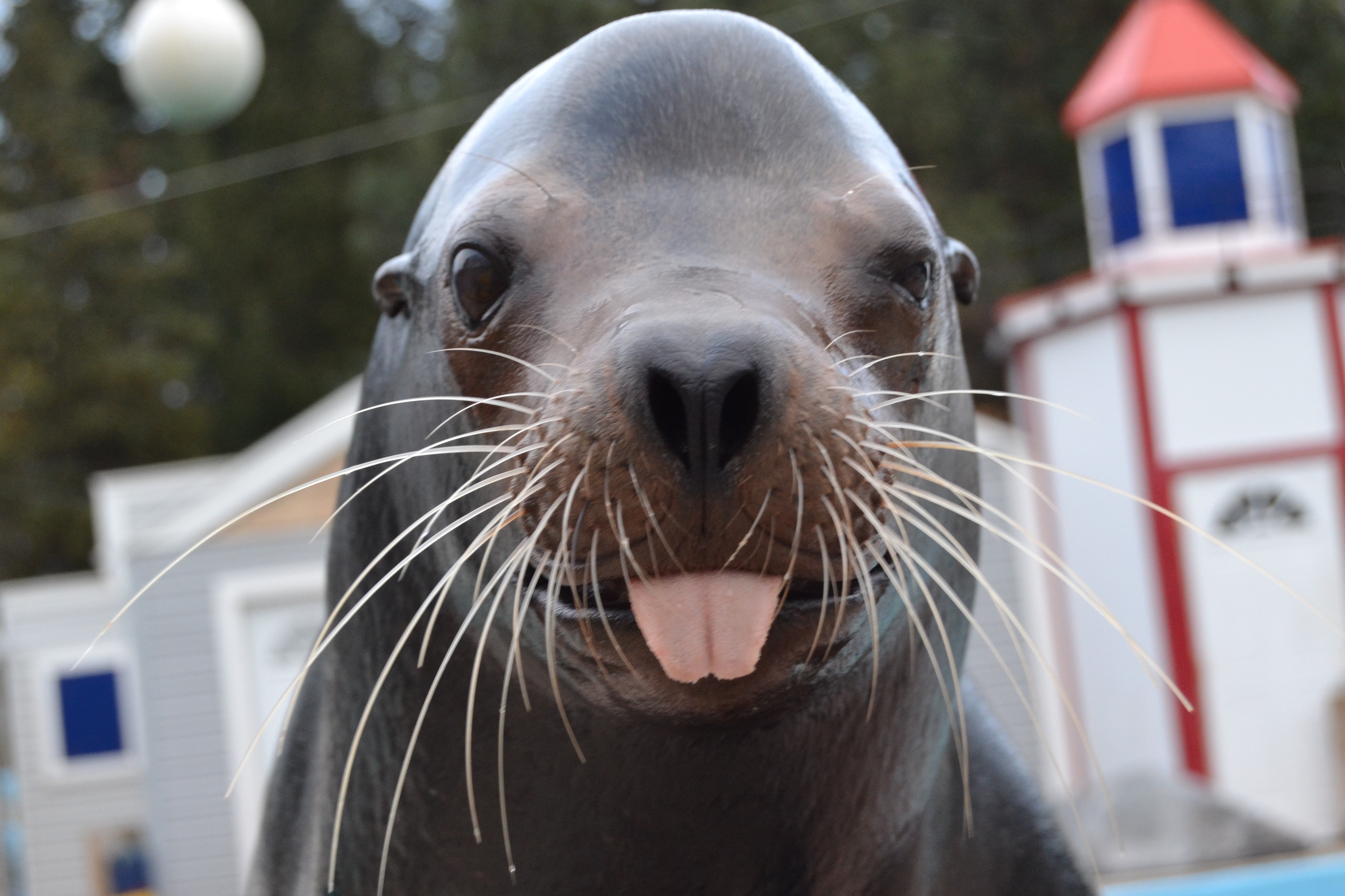
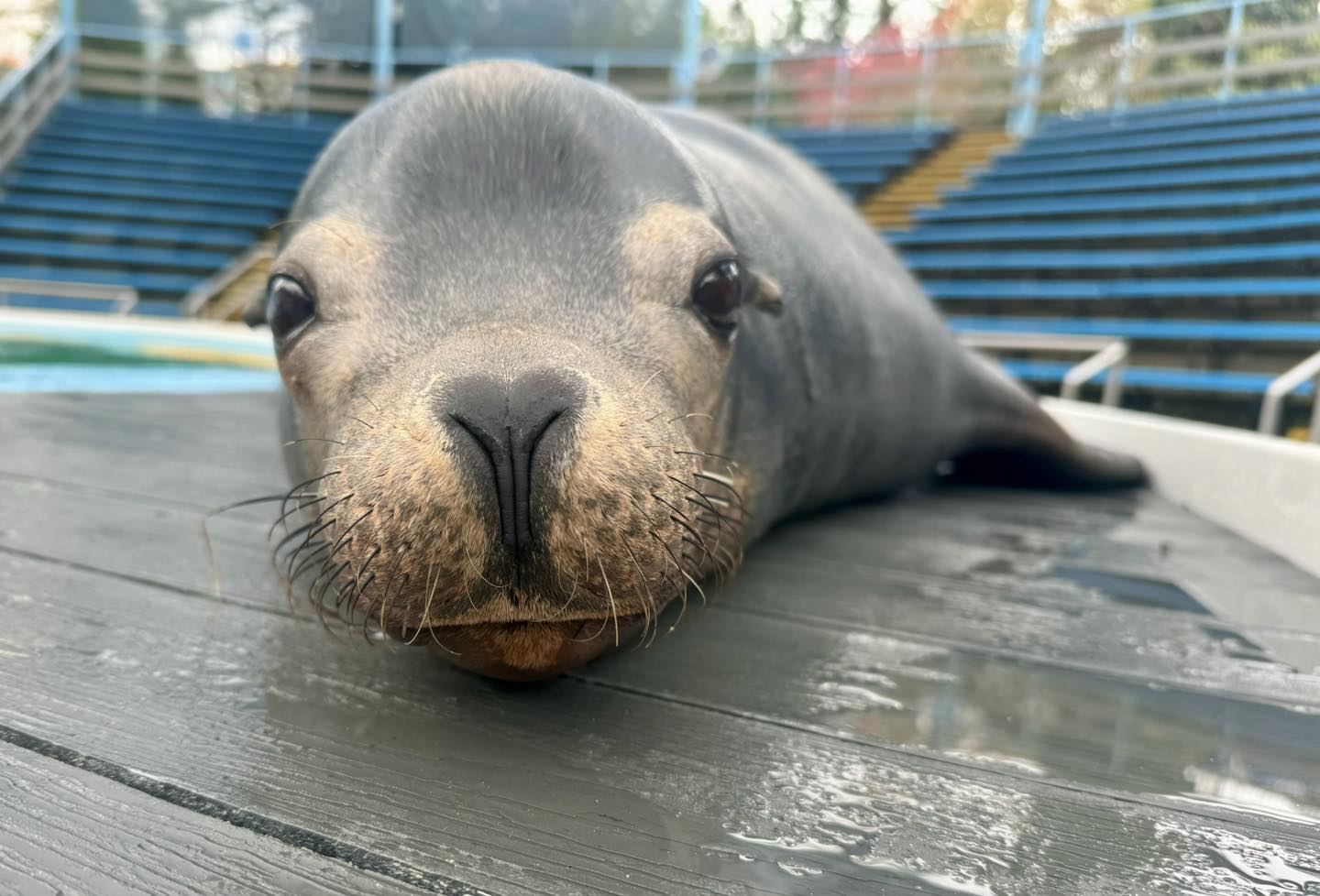
.photoslider_main img {border: #93e4ff 10px solid; } .photoslider_thumb {border: #93e4ff 5px solid; } Ocean Connections proudly celebrates the 30th Birthday of Sport our female California Sea lion this year. Sport is one of three , and the last surviving california sea lion which began with Ocean Connections in 1991 at the Milwaukee County Zoo. Life expectancy for california sea lions averages 6-10 years in the wild, however thanks to the quality of care marine mammals receive in zoos and aquariums today we expect to easily double their natural life span. California sea lion are commonly found along the West coast in the pacific ocean. They are protected under the Marine Mammal Protection Act of 1971. Today while the natural population on the west coast is stable, life in our oceans is challenging. Marine Mammals face habitat destruction and encroachment of, pollution and a reduction in their prey due to over fishing of our oceans. Sport is an ambassador for marine mammals in the wild and has spent the past 21 years educating guest of Ocean Connections and the Milwaukee County Zoo on conservation awareness, marine mammals and environmental issues. Today while she is in retirement, and completely dictates her own schedule, she is commonly see sunbathing upon the back show stage enjoying the afternoon sun and occasionally still chooses to join in public presentations. Ocean Connections is a pinniped breeding facility specializing in interactive educational learning related to marine mammal training and conservation. Sport has given birth to 4 healthy pups at Ocean Connections and has entertained and educated thousands of guests. Please join in celebrating 30 years with this remarkable animal. Happy Birthday Sport!!! Read Sport's Bio
News Item
We 💙 Mother Earth! Ocean Connections team members spent the weekend of Earth Day sharing our mission of inspiring conservation awareness and public action for our world's ocean through education. All waterways lead to the sea so by protecting our local rivers, streams, and beaches, we can help the health of our ocean. We also provide educational opportunities to encourage positive action toward the environment. Our Education Team at Ocean Connections Myrtle Beach attended Earth Day at the Bay and educated over 150 students about marine life and conservation. Ocean Connections Milwaukee attended the 29th Annual Spring Clean-Up removing pollution from the Milwaukee River. We are still waiting to hear the statistics on the event but know a significant amount of waste was removed. Team Members from Ocean Connections Pigeon Forge attended Earth Day Gatlinburg's Way. This river clean-up saw the removal of 32 trash bags worth of pollution. Check out our photos from these events and be sure to follow us on social media to learn about local clean-up events that we'll be hosting all summer long.
News Item
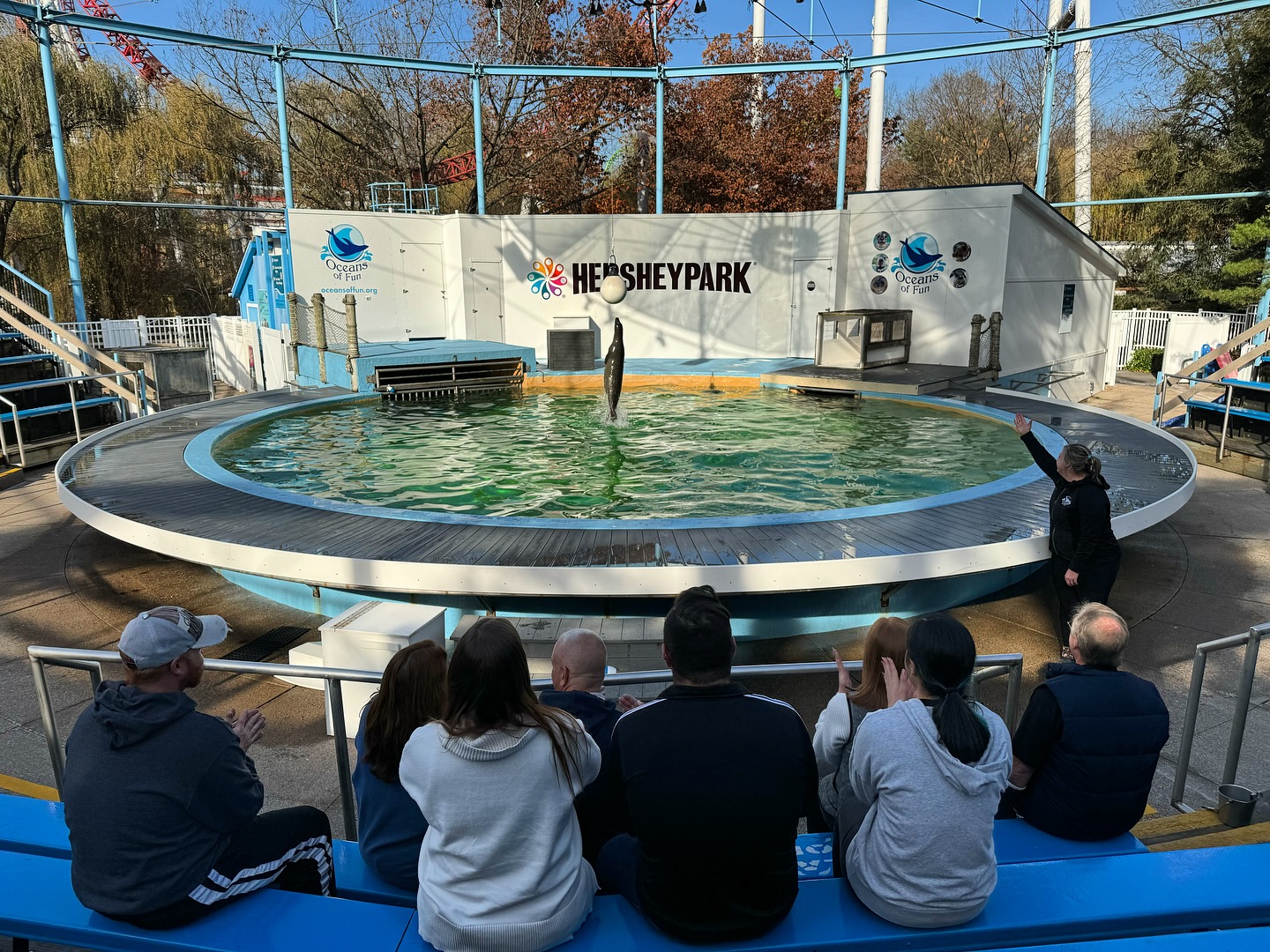
The Summer Season Has Come to an End but We're Still Open! Ocean Connections offers Seal & Sea Lion Shows, Photo Sessions, and Feedings (weather permitting). Looking for a more personal experience? Join our Flippered Friends & Family Program! This 30-minute interactive VIP experience brings the whole family behind-the-scenes to learn about our fantastic flippered friends. Visit our off-exhibit areas and come poolside for a private training session with our seals or sea lions! These programs are fun for all ages. For more information visit the scheduling links below! Be sure to also follow us on social media so you'll be the first to know of any schedule changes. Milwaukee Daily Schedule Information Hershey Daily Schedule Information Follow us on Facebook! Follow us on Instagram! Follow us on TikTok!
News Item
Looking for the perfect Valetine's Day Gift fort he animal lover in your life? We've got you covered. We have plenty of perfect surprises for that special someone: Mystery Boxes: Our mystery boxes come jam packed with surprise Ocean Connections items and some even include paintings done by our animal ambassadors. Check them out here. Mango Merchandise: Does your Valentine love our TikTok star, Mango? Get some of our brand new Mango Merchandise featuring the internet's favorite seal by clicking here. Shout Outs: Say it with a seal or sea lion! Wish your significant other a Happy Valentine's Day with the help of our animals and animal care team. To reserve yours click here. Custom Animal Paintings: Check out our plethora of customizable wine glasses, nose paintings, flipper paintings, and more in our Etsy shop.
News Item
Looking for the perfect Valetine's Day Gift fort he animal lover in your life? We've got you covered. We have plenty of perfect surprises for that special someone: OC Merchandise: Does your Valentine love our flippered friends? Check out our merchandise by clicking here. Virtual Valentines: Say it with a seal or sea lion! Wish your significant other a Happy Valentine's Day with the help of our animals and animal care team. To reserve yours click here.
News Item
This Valentine's Day you can celebrate with help from our seals and sea lions. We have a few different options whether you're looking forward to February 14th or absolutely dreading it. Either way, you can enjoy it with the help of our animals all while supporting the animal care, welfare, and educational reach of Ocean Connections. Check out the links below to learn more. 💕 Virtual Valentines - Say it with a seal or sea lion! Send your loved one a message with help from our seals, sea lions, and animal care team! 🐟 Name a Fish After Your Ex - There's plenty of fish in the sea but some of them are real flounders! Name a fish after your ex this Valentine's Day.
News Item
The last two days have been busy and full of wildlife experiences. Everywhere we look we are surrounded by incredible beautiful animals and scenery. The “flatland” is home to over 500,000 guanay cormorants and Peruvian pelicans which travel out to sea each morning to feed and return in the late afternoon. The cliffs and surrounding caves are home to curious penguins, many of whom currently have chicks. Lizards camouflage into the guano and bravely play with our bright colored equipment. Vampire bats hang deep in the caves, only coming out in the evenings, and pinnipeds are everywhere! The beaches are chosen by colonies of either fur seals or sea lions. Nurseries are established for pupping and large males compete continuously over territories. National Geographic could have months of material here! The majority of the animals we are watching appear to be in good health. We have concentrated on the South American sea lions as our priority for the first couple of days. Although they are the largest animals, they also spook very easily. We scout beaches and have to approach the colony silently in order to be successful. If the sea lions catch sight or scent of us the entire colony may run to the water and delay our start for hours! Our goal is to dart a sleeping male high up on the beach with a tranquilizer. If we are silent and the colony does not startle, the darted male will wake briefly as the dart hits and then lie back down and doze back off. Once the drugs take effect and the animal is anesthetized we can proceed with his health assessment. Each animal we process is monitored closely while blood is collected and samples are obtained on their eyes, mouth, nasal cavity and genitals to evaluate overall health and exposure to diseases. Whiskers, fur, and other samples are obtained for testing exposure to environmental toxicants, evaluating feeding ecology, and many other projects. The animals are also all measured and weighed to document size. ID tags are attached to animals to track them over time. Throughout the entire process the animal’s temperature, heart rate, and respirations are monitored closely. The goal is for the team to work efficiently and return the animal to his environment within approximately one hour. Once the sea lions leave the beach for the water, it’s time to begin working with the fur seals. These animals are brave and can be lured high onto the beach for darting by approaching their territories. Additionally there is a team conducting health assessments on the Humboldt penguins. Overall during the past three days we have obtained, evaluated and released 7 sea lions, 4 fur seals, and 11 penguins successfully! We are certainly off to a great start! Although the hours are long, the commitment each team member has to ensuring that animals are safe and healthy is inspiring. By collecting data on these populations we not only assessing the health of the population but also obtaining information which will assist in assessing the environmental health of the entire ecosystem. This information is crucial to developing effective conservation actions.
News Item
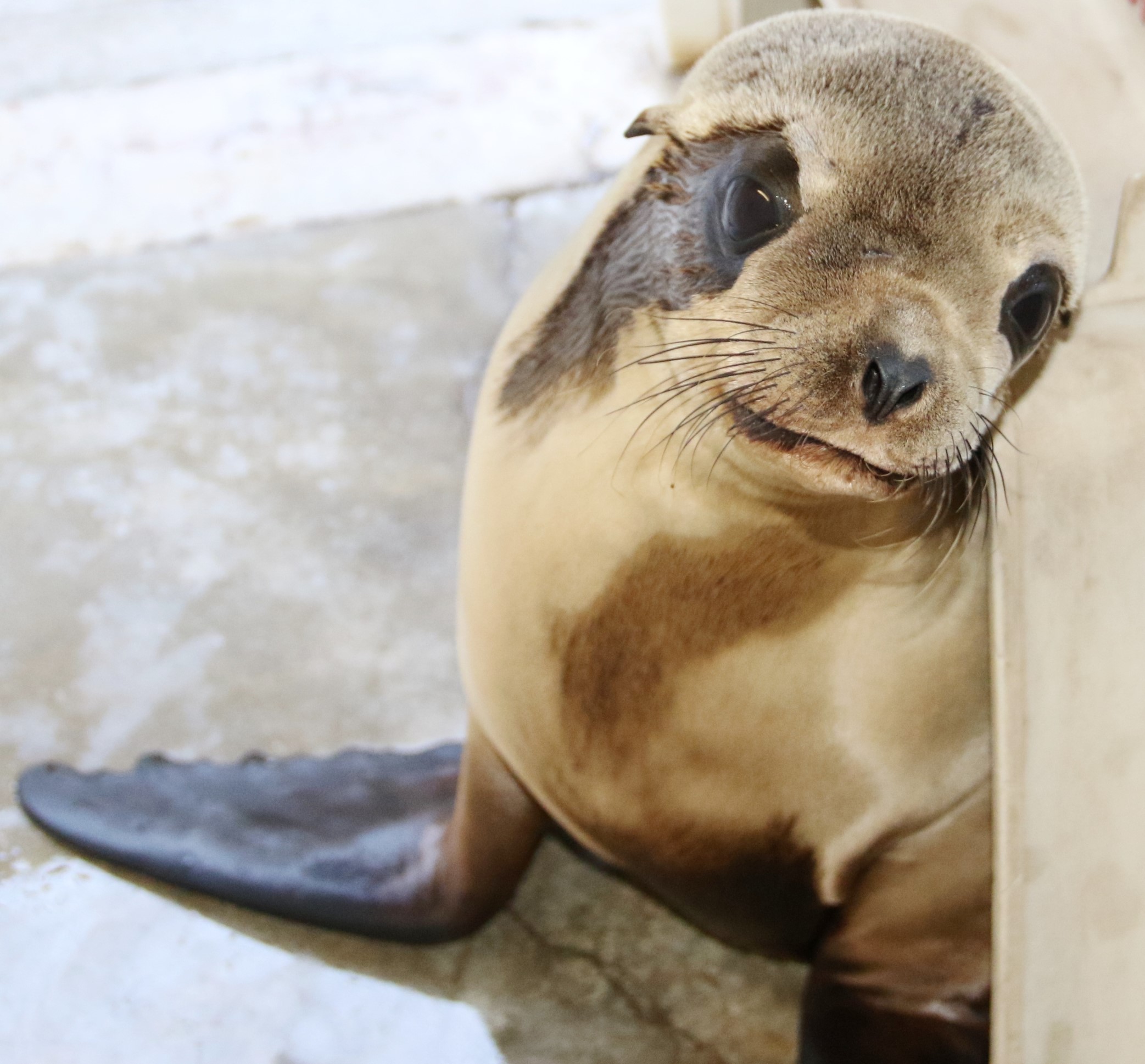
Our pinniped family continues to grow! We welcomed the birth of a newborn California sea lion pup on July 10th at 10:49 am. The young female pup, Reese, was born to first time mother Geneva and we are ecstatic to report that mother and pup are doing extremely well! Now 5 days old, Reese spends her days exploring her new surroundings and bonding with Geneva. Sea lions are marine mammals, meaning they give live births and they nurse from their mothers. As a result of her birth, Reese has had an umbilical cord, a means of blood flow between mother and pup before birth, hanging from her stomach. Today the cord has detached itself by naturally drying out, indicating a healthy progression to our animal care staff. Sea lion pups are extremely dependent on their mothers, not only for protection, but also as a food source. Pups will nurse milk from their mothers for the first 6-12 months of life before beginning to eat fish. We are glad to see Reese spends a vast majority of her day nursing. At this time, she is gaining ½ lb each day and already weighs a hefty 15 lbs! She won’t reach her full mature weight of 200 - 225 pounds until she is over 5 years of age. Geneva has been an excellent mother to Reese so far. Mothers and pups communicate with specialized “pup calls” that are unique to each mother-pup pair. It has been quite noisy at Oceans of Fun lately with lots of bonding communication taking place between the two. When Reese is not being nurtured by her mother, she enjoys crawling on mom and playing with her own front flippers! Newborn sea lions pups do not know how to swim right away. Though her mother Geneva enjoys many opportunities to go for a swim, Reese stays safe and dry in one of our holding pens for now. Soon, Reese will get their own private baby pool to begin swimming lessons in. This ensures she will have the comfort and strength to swim in our 18-foot deep main environment when the time comes. Seal pups are a bit more independent. They are able to eat fish much earlier in life and they can start swimming almost immediately! Once pups are eating fish, their formal training can begin. Formal training is a fun and exciting opportunity for seals and sea lions to learn new behaviors alongside their trainers. Until then, Reese is at an informal stage of training. This means she is getting to know their trainers during playtime, meeting new faces and hearing your applause during show time! Be sure to stop by one of our daily seal and sea lion shows in the next few weeks for a chance to see our newest family member.
Pages
You Can Make A Difference! Due to an extremely high number of sea lion pup strandings on the coast of California this year, the National Oceanic and Atmospheric Administration (NOAA) has declared an Unusual Mortality Event (UME). The Marine Mammal Protection Act, established in 1972, states that a UME is “a stranding that is unexpected; involves a significant die-off of any marine mammal population; and demands immediate response.” Ocean Connections is part of AMMPA’s team of accredited facilities that is ready to step up and assist with rescue and rehabilitation efforts of stranded California sea lion pups. All donations will go directly towards providing fish as well as the rehabilitation efforts, animals care and medical issues associated with UMEs. Your donations will go directly to the National Marine Mammal Foundation, who will use the money to help rehabilitate the pups. Help get these pups back on their flippers and into their ocean home! Click here to learn more about the California sea lion pup strandings.
Pages
Each season the Ocean Connections training team puts down the fish and settles in for a brainstorming session on how to give back to our wonderful family of friends, colleagues and fans who love our animals and support our mission of excellence. This year the trainers took a classic piece and lovingly created OUR version of “Twas the Night Before Christmas at Oceans Of Fun. As their words went down on paper, we knew that this delightful story needed the skillful hand of our creative design team, Peppermint Narwhal, or as we affectionately call them “Our Peppi Whale” to truly bring the words to life. We hope you enjoy our Christmas Story. You can follow it on our Facebook page or check back here daily as we unwrap a daily segment on our Christmas countdown. We hope that you all enjoy a beautiful Christmas and we look forward to sharing an exciting New Year with you! Merry Christmas! Happy Holidays from your friends at Ocean Connections!
News Item
The Ocean Connections Online Store has numerous options for you to find the perfect gift for the marine mammal lover in your life! Whether you're seeking stocking stuffers, one-of-a-kind interactive experiences, or unique home decor, we have something for everyone. All proceeds directly contribute to the care of our animal ambassadors! Check it out: CUSTOM SEAL & SEA LION PAINTINGS Let our Pinniped Picassos create a one of a kind masterpiece that is sure to spruce up any room in your house! Our talented seals & sea lions paint custom wine glasses, holiday ornaments, flipper paintings, whisker prints, coasters, and canvases. SHOP NOW INTERACTIVE PROGRAMS Ocean Connections offers marine mammal experiences like no other that bring you up close and personal with our flippered friends. From summer camps to family programs to our in-water Aquatic Adventure, Ocean Connections has opportunities to make lifelong memories with our seals and sea lions. Gift Certificates are also available. SHOP NOW MERCHANDISE T-shirts, plush, souvenirs, and more await you! Our online store is full of adorable marine mammal themed merchandise that will make the perfect stocking stuffer or gift for anyone looking to rock some Ocean Connections swag! SHOP NOW MYSTERY BOXES For the marine mammal lover who loves surprises, check out our Mystery Boxes! Each package comes packed with unique and exciting Ocean Connections items you'll absolutely adore. Some even come with paintings done by our animals! SHOP NOW
Newsletters
It’s that time of the year! Be sure to take advantage of our best prices of the year! Black Friday, November 27th-28th, offers 25% off all interactive programs (excluding Observer Program) and interactive program gift certificates! From our Aquatic Adventure program that lets you enter the water to touch, feed and interact with our flippered friends, to our week long summer camps where kids get to explore the world of marine mammals, there is sure to be a program for every animal lover! Click here to learn more about our programs and secure your reservation!
Pages
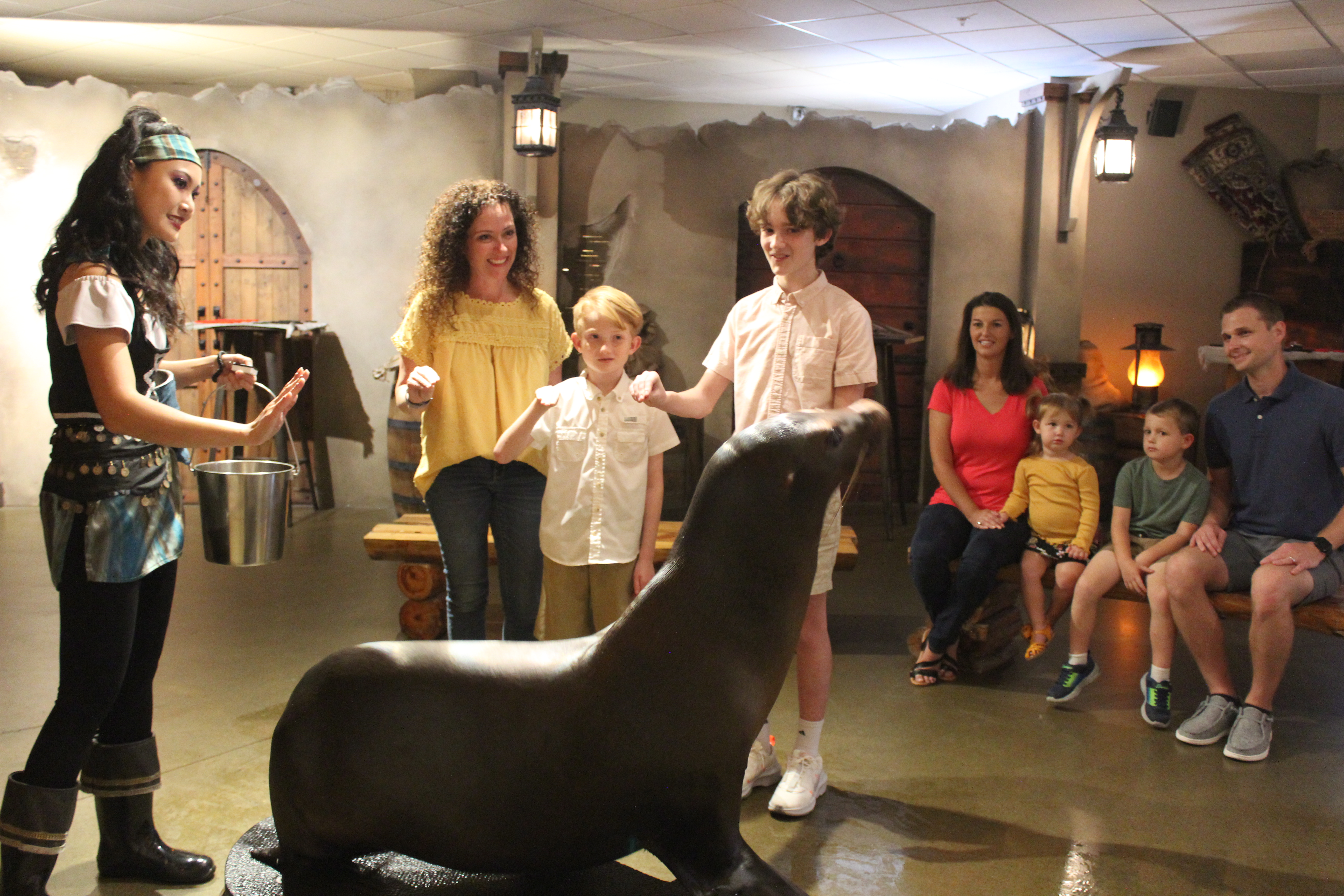
Ocean Connections offers a variety of opportunities for children and families alike to discover the amazing world of seals and sea lions. We provide a wide array of interactive programs, allowing you to connect with our animals personally. We hope that you have the opportunity to join us and experience the wonder of working with marine mammals. The opportunity to touch, feed and interact with our sea lion family awaits you! Check out our new Shop!
News Item
On May 5th, 97 affiliates joined us as Oceans of Fun hosted the Midwest IMATA regional conference. The day was filled with the formal presentations, animal training demonstrations, discussion time, animal interaction and mentorship as students, zookeepers and marine mammal trainers representing 18 facilities gathered together at the Milwaukee County Zoo for an inspiring day of collaborative sharing. In an effort to assist the marine animal stranding centers off of the California coastline who have been working to save thousands of sea lion pups which have stranded this year due to starvation, Oceans of Fun and the Milwaukee Zoo raffled off sea lion interaction encounters and Giraffe Feeds throughout the day. We are proud to say that the IMATA attendees raised over $650 which will be provided to support this overwhelming conservation crisis. To learn more about the California sea lion pup unusual mortality event and how YOU can make a difference visit: http://www.oceansoffun.org/california_sea_lion_ume To learn more about IMATA visit: IMATA.org
