





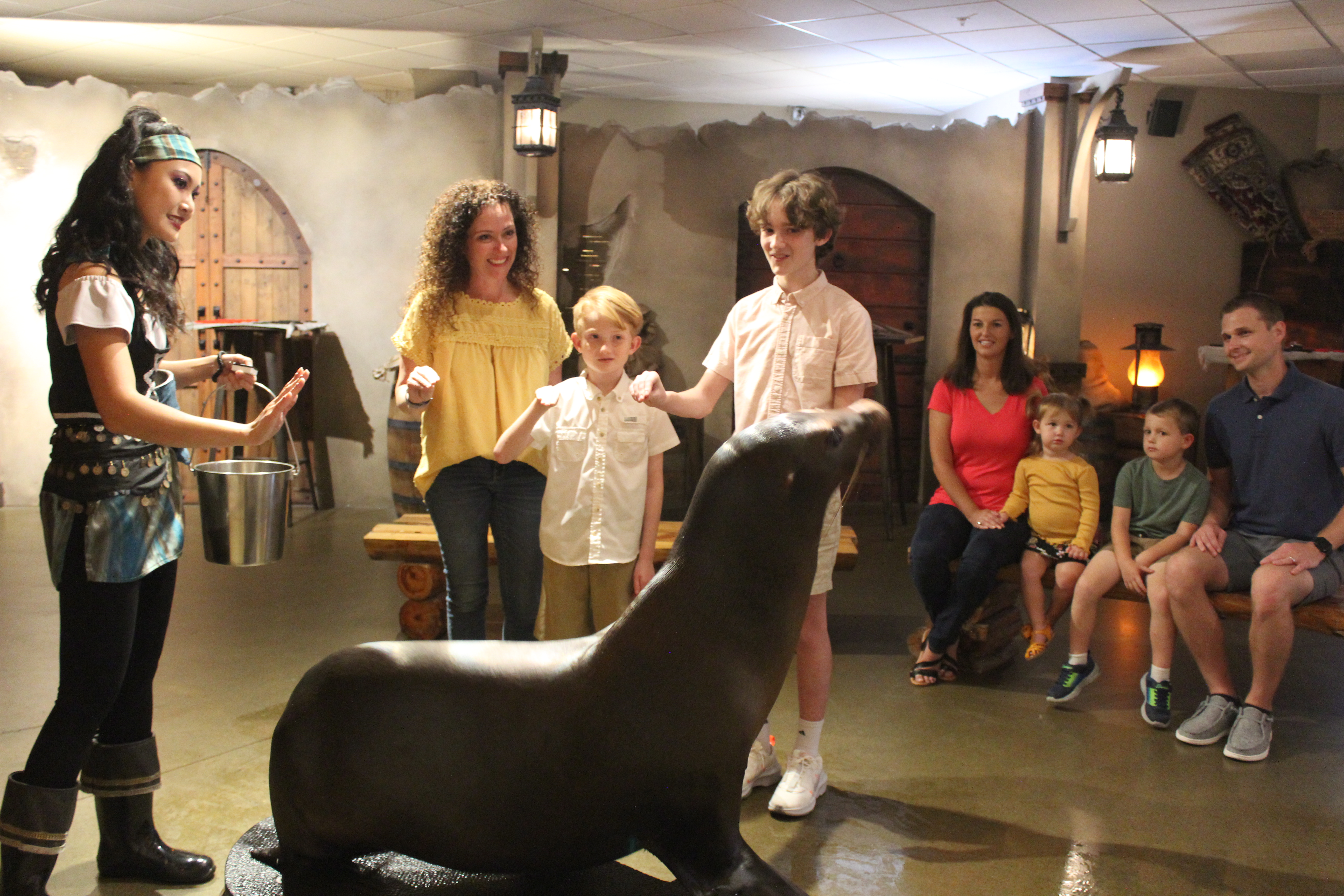
 Animal Encounter
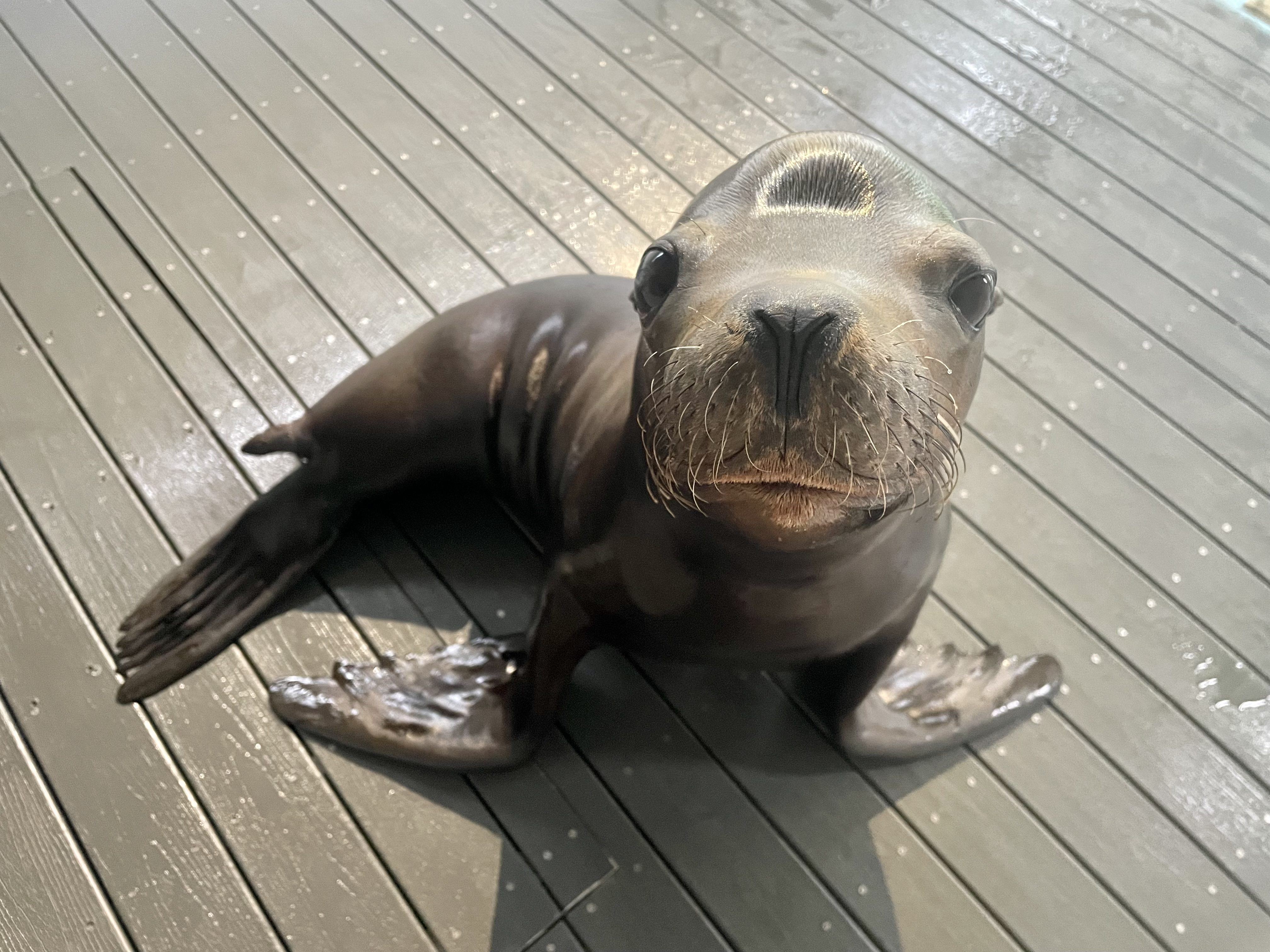 Our Locations
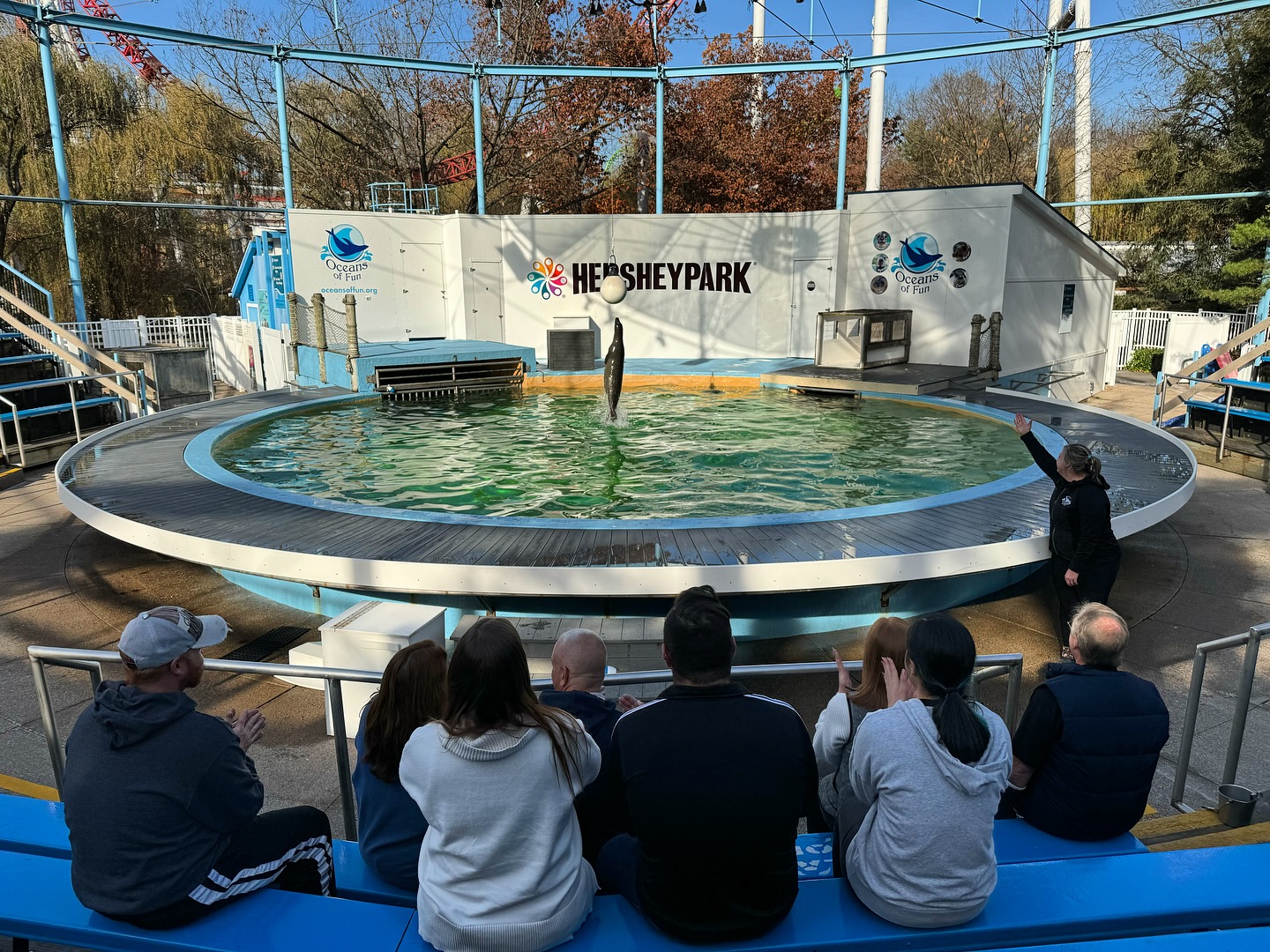 Family Fun
 Meet Ripley!
Search
Search results for ""
348 Results Found
News Item
Support 501(c)3 non-profit organization, Ocean Connections, today! It's giving season and you can make a huge impact on marine life no matter where you live! Proceeds from our Giving Tuesday Fundraiser help cover the cost of veterinary bills, provide new toys for our animals, and allow us to care for rescued marine mammals. Help us, help them this Giving Tuesday as every donation is appreciated. Bid high, bid often, or adopt an animal today to help make a difference in these animals' lives! Click here to view or bid on our Giving Tuesday Fundraiser!
News Item
Colby and Diego are making big waves as they arrive at our sister facility at Hersheypark, Pennsylvania for the summer! In the past, our sea lions Diego and Geneva have spent several summers at the Aquatheatre educating guests about marine life and conservation. This summer, Geneva will stay in Milwaukee as she prepares for the arrival of her pup. Hersheypark guests will be thrilled to see Diego return. He will be a great role model for Colby, our three year old, who is spending his first summer at Hersheypark. Colby is an enthusiastic juvenile, who loves to participate in training sessions with his trainers. We are certain he will do a fantastic job serving as an ambassador to sea lions in the wild by educating guests in our daily presentations. Our harbor seals Mango and Bumper eagerly welcomed their sea lion companions. The Oceans of Fun team accompanied our seals during transport earlier this spring. Hersheypark will now be a year round home to Mango, Bumper, and several of our trainers. Our team worked round the clock to ensure a safe transport for our animals. Not only is a lot of work required in preparing the supplies and plans, but we must also prepare the animals. Everyday Colby and Diego practiced voluntarily entering crates to ensure they were ready for their big move. This dedicated practice allowed them to become familiar with transport procedures and allowed us to transport them in a comfortable setting. Trainers travel alongside animals throughout the transport and the entire process was done under veterinarian supervision. We use specially designed wooden crates to transport our animals. These crates are similar, though much larger, to ones you may have in your home for your pets. Unlike dolphins, sea lions do not spend their entire lives in the water so crated transports are very comfortable for them. However, Oceans of Fun staff took extra care to pamper our animals with regular misting. By sharing our animals with the public, Oceans of Fun is able to make a lasting impact and inspire audiences to care for these amazing animals and their environment. Through transports, we are able to extend our reach and touch even more lives. Transports also make breeding loans possibly, drastically increasing the genetic diversity and breeding success of zoos and aquariums throughout the world. We are excited to share our seals and sea lions with Hersheypark guests this season.
News Item
With COVID-19 still heavily affecting our communities and learning institutions, we know that providing external educational opportunities is more challenging than ever. Ocean Connections is excited to share that we are bringing the magic of marine mammals straight to your classroom! Each program is 30-45 minutes long and includes quality virtual time with our animal ambassadors. Our Digital Learning Opportunities are completely customizable to fit any age group and cover a wide variety of topics. To learn more or reserve your program today click here.
Pages
Understanding Domoic Acid Domoic acid toxicity was first discovered in the late 1980’s. Since this discovery, domoic acid poisoning has been responsible for several unusual mortality events involving seabirds and marine mammals and also has caused detrimental effects to humans who consume the toxin through shellfish consumption. The impacts of domoic acid poisoning range from nausea and headaches to more severe symptoms including neurological damage, seizures and even death. Domoic acid is a naturally occurring biotoxin that does not present danger in small quantities. It becomes dangerous when it is present in large quantities. While we are uncertain of the causes of the influx of domoic acid in our oceans, scientists are researching possible causes for the increased levels. Possible contributing factors include global climate change, eutrophication from fertilizers, agricultural and urban runoff, aquaculture activity, coastal development and consequently the increased exposure to waters and foods contaminated by domoic acid. Domoic acid is often associated with “Red Tide”. Red Tide occurs when certain phytoplankton species with reddish pigments bloom, resulting in water that appears to be colored red. Not every algae bloom is harmful, but a small number of algae species produce neurotoxins which present many challenges for animals in the wild and the ecosystems where they occur. Harmful Algae Blooms Harmful algae blooms (HABs) can occur when conditions cause specific types of algae to grow quickly forming visible patches of algae at the surface of the water. HABs can occur in all water sources from lakes, rivers, estuaries and oceans. These harmful algae blooms can cause various problems for humans, animals, plants and the environment. Algae blooms often occur in the spring, after winter storms have caused nutrients from deeper water to rise to the surface, where sunlight is present, producing favorable conditions for the growth of thousands of species of phytoplankton. Excessive algal growth can deplete oxygen and block sunlight that is vital for the survival for many aquatic species. Some of these algae blooms produce toxins that can affect the health of animals and humans. A Harmful Toxin Domoic acid is a neurotoxin produced by a few specific types of harmful algae blooms. The diatom, Psuedonitzschia australis, is a phytoplankton that causes detrimental effects in the marine environment. The alga is not detrimental to its primary consumers but becomes harmful when it is consumed by another organism. Many shellfish and other small fish consume this alga when it is blooming and then it accumulates in their bodies. The problem occurs when another member of the food chain consumes this contaminated prey source. The toxin is then biomagnified through the food chain resulting in health concerns for the animals or humans who have consumed the toxin. Biomagnification is the increase in concentration of a pollutant from one link in a food chain to another. Many of the most dangerous toxins settle to the seafloor and then are taken in by organisms that live or feed on bottom sediments. Because these compounds aren't digested, they accumulate within the animals that ingest them, and become more and more concentrated as they pass along the food chain. Top predators will have the highest concentrations of the toxin because they have eaten the most prey that has been contaminated. Domoic Acid and Its Effects Domoic acid poisoning affects the brain and causes lethargy, disorientation, seizures and may even result in death. This toxin attacks a portion of the brain called the hippocampus. The hippocampus is part of the limbic system that is responsible for emotion, behavior and long-term memory. The role of the hippocampus is to consolidate and organize new memories, connect emotions and senses to memories, and aide in navigation and spatial orientation. Damage to this structure affects the ability to form new memories, may cause problems with memory recall and impairs the sense of navigation with similar effects in animals as seen in humans. In humans, domoic acid causes a syndrome known as Amnesic Shellfish Poisoning (ASP) which is transferred through the consumption of contaminated shellfish. ASP results in nausea and vomiting while extreme cases may result in neurological symptoms including short-term memory loss, hallucinations, seizures and possible death. Most cases experience minor symptoms within 24 hours of consumption. It has been found that sea lions are the most common pinniped exposed to domoic acid poisoning due to their habitat and location of foraging sites. Sea lions are impacted by domoic acid when they consume contaminated prey sources. Sea lion pups are at risk as pregnant mothers pass the toxin onto their developing fetuses and through nursing after giving birth. The results of domoic acid toxicity are very detrimental to the infected animals. Sea lions with domoic acid poisoning often beach themselves and undergo head bobbing, disorientation and seizures. Local marine mammal rescue crews work to safely rescue and rehabilitate as many animals as possible. In most cases, rescued animals are given an electrolyte solution and medications to help control seizures. If the sick animal stabilizes, meaning the seizures stop, they begin eating consistently, their physical abilities return and blood work is normal, the animal will be cleared for release. The unfortunate truth is that though every effort is made to rehabilitate and release every rescued animal, some will survive the toxicity and others will not win the fight against the poison. We may not be able to predict the harmful algae blooms that cause domoic acid poisoning, but we can certainly learn from the animals under the care of marine mammal rescue and rehab programs such as those at the Marine Mammal Center in Sausalito, CA and the Pacific Marine Mammal Center located in Laguna Beach, CA. The efforts of these dedicated staff members help to successfully release animals into the wild and help us learn not only about the effects of the domoic acid toxicity in marine mammals, but also the impacts it can have on humans. Marine mammals are ambassadors for their species offering us great educational value.Through animal tagging and tracking, research, and environmental impact studies, we are able to catalogue our findings to gain a better understanding of the world we live in and the interconnections of ecosystems. Scientists are able to extrapolate our findings and compare what we learn from animals to better understand people. These efforts are all completed in hope of building environmental stewardship and a great appreciation for animals and the environment.
Pages
Make A Wave with Ocean Connections! Your donation supports our animal care and conservation efforts. We appreciate your support! We are currently soliciting donations to support our husbandry care program. We pride ourselves in the exceptional care provided to our animals and your support makes a difference! Husbandry care is cooperative medical care. Through training sessions and a trusting relationship, our animals learn to participate in their own healthcare by voluntarily cooperating in routine procedures such as blood draws, eye examinations, flipper x-rays and much more. Husbandry care helps to double the lifespan of these animals in zoological environments. Through cooperative medical care, seals and sea lions live into their 30s while their wild counterparts may only reach 10-15 years of age. Medical procedures such as teeth brushing, fetal ultrasounds and routine animal weights are essential to providing exceptional care. Currently we are in need of a new scale to obtain regular body weights on our animals. Animal weights fluctuate according to the season and are a key predictor in their health. A digital scale which is water resistant and can support the weight of a 700 lb sea lion runs approximately $5,000. Your donation to this cause is greatly appreciated. If you would like to make a donation to support this cause, please visit us at the Milwaukee County Zoo. Stop by the Sea Lion Shoppe (located outside of the Ocean Connections Show Stadium) and donate or mail in your donation to help support the health and well-being of the seals and sea lions at Ocean Connections! Mail your donations to: Ocean Connections 10001 W Bluemound Rd Milwaukee, WI 53222 You can make a difference in the lives of the animals at Ocean Connections!
News Item
Oceans of Fun is the only marine mammal camp in the Midwest and has been featured in CampNavigator magazine for the unique opportunities we offer for 7-13 year olds. March 17-25th we are offering 15% off all of our camp programs and we would love for you to join us! Each of our camps are jam packed with activites, crafts, learning, and exploring the Milwaukee County Zoo and Oceans of Fun! Whether it's our 2 day Animal Training Camp, 3 day Mini Camp, or our 5 day camps, each camper gets up close and personal interaction time with our animals. They get to apply their knowledge of seals and sea lions, training, adaptations, and more while getting to know the amazing animal ambassadors that call Oceans of Fun home. Oceans of Fun staff also take photographsof the participants during interactions that are available for purchase at the end of the program so these memories are yours to treasure for years to come! If you're interested in registering for any of our camp programs, click here. Unsure of your schedule but don't want to miss out on this amazing deal? Rescheduling is available up to two weeks prior to your program free of charge!
News Item
Our Easter-grams are a sweet and unique way to share some springtime cheer with someone special! These personalized, digital videos feature one of our incredible animal ambassadors delivering a custom message from you. This one-of-a-kind Easter greeting is sure to hop straight into their heart and be treasured long after the eggs are found! For US residents, you can learn more or reserve your Easter-gram by clicking here. For internation residents, you can learn more or reserve your Easter-gram by clicking here.
Pages
“Green” Ideas What does going “green” mean? Going “green” is simply making eco-friendly choices in the products we purchase and the food we consume for a healthier lifestyle. Pack lunches in reusable, PVC-free lunch containers and try to pack healthy waste-free snacks like fruits and vegetables. Use cold water to wash your clothes. It takes a lot of energy to heat water needed to do a load of laundry. Pay attention to packaging. Bring reusable bags when you go shopping and choose products with less packaging. During the heating season, open your curtains during the day to let sunlight in. In the evening, close your curtains to retain heat and reduce the chill from cold windows. Change regular light bulbs for more energy efficient fluorescent light bulbs.If each American changed out just 5 bulbs we would keep more than 1 trillion pounds of green house gases out of the air. That is equalto $6 billion in energy savings. Leave no trace. It’s important to leave the environment as you found it or in a more pristine state than what you encounter. Be sure to dispose of your waste properly when out on a hike, exploring in a forest or walking along the beach. Better yet, lend a hand and pick up stray litter to help protect wildlife. Keep your distance. Always view wildlife from a safe distance. Do not disturb animals, approach or try to feed them. Wild animals can be unpredictable and protective of their young and shelter. Use binoculars to view wild animals without disrupting their natural way of life. Stay away from wildlife that looks sick or injured. If you come across a sick or injured animal, do not try to help the animal yourself. Instead, call your local animal shelter or wildlife rescue and rehabilitation center and give them details about the animal. These trained professionals will be able to provide care in a safe setting to help the injured animal. Fix the faucet. That kitchen sink that has been dripping the past few months that you have been meaning to fix, now is the time! You can save nearly 3,000 gallons of water in a year just by fixing a leaky faucet. Don’t sit idle. When your car sits idle, you are burning fuels which release more carbon dioxide into the atmosphere. When possible turn your car off! Be energy efficient. Purchase appliances that are energy efficient. Appliances that are turned off still use up electricity, its called standby power or vampire power. So unplug appliances you aren't using! Use an eco-friendly snow and ice melt in the winter. Rock salt may be cheap but it creates problems for plants, groundwater supplies, pets and children who play outside. Keep your family and the environment safe with an alternative deicer that works in lower temperatures than traditional rock salt. Stop the drafts. Hold a burning stick of incense near windows and doors to locate gaps and drafts. You can easily seal these gaps with caulk for a warmer and more energy efficient winter. Invite people over. Instead of turning up the heat when the indoor temperature drops, invite friends and family for an impromptu party. Research indicates that each guest is the equivalent of a 175-watt heater! Not only will you have fun, you’ll feel toasty, too. Check out your local farmer’s market. Buy in season, local autumn veggies in bulk now and can or freeze them for a healthy, delicious winter meal. Use a garden rake instead of a leaf blower to clean up the yard to conserve energy and get physical exercise. Once raked up, use the leaves as mulch to protect plants throughout the winter or add them to a compost pile. Visit a thrift store when planning your Halloween costume. Piece together a chic retro costume, create a styling masterpiece or get the little bit of inspiration you need to design a hauntingly perfect costume this Halloween – all for a reasonable price while keeping Mother Nature in mind.
News Item
Education Impact Summary 2022 2022 was a big year for Ocean Connections as we furthered our commitment to STEAM+ based, educational programming. From beloved interactive experiences to new learning opportunities, our Education Impact Summary highlights how we fulfill Ocean Connections' mission of inspiring conservation awareness and public action for our world's ocean through education. Read the full report by clicking here.
Pages
Thank you for submitting your application! Your application and resume have been submitted successfully and we will review them soon. Please remember that you must submit Two Professional Letters of Recommendation for full consideration. If you are pursuing college credit, you must also submit a letter from your Sponsoring Professor verifying your eligibility to receive college credit. These letters must be sent directly to Ocean Connections in a signed, sealed envelope or emailed directly to the Education Specialist. Please send all application materials to: Lisa Krueger Education Specialist Ocean Connections 10001 W. Bluemound Rd. Milwaukee, WI 53226 For questions or more information please contact Lisa Krueger.
Pages
In 2010, Ocean Connections took part in a research study that was presented at the 2010 IMATA conference that was held in Boston. This research study is award winning, and Ocean Connections is proud to have been a part of it! Read the full article by downloading the file in the resource folder below. DESIGN AFFECTS SHORT-TERM KNOWLEDGE AND ATTITUDE OUTCOMES IN SEA LION SHOW AUDIENCES Abstract This study compared and contrasted knowledge and attitude effects from a theme and zoological park sea lion show with shared educational objectives. Both programs aspired to foster curiosity and appreciation for species conservation. During summer 2010, 580 retrospective pretest-posttest surveys were distributed to visitors. Respondents agreed (n=532, 92%) sea lion shows were positive learning experiences, however, species conservation knowledge and attitude impacts differed between show types. Data showed a possible link between presenting species conservation information and increased positive environmental attitudes. Other factors such as visitors’ preconceived expectations and attendance motivations may have affected facility success in achieving show conservation objectives. Results highlight the importance of evaluating animal shows to ensure visitors receive conservation messages.
News Item
Care. Connect. Conserve. Ocean Connections is a 510(c)3 non-profit organization that relies heavily on our supporters to fulfill our mission. We are dedicated to inspiring public action and conservation awareness for our world's ocean through education. Ocean Connections is committed to providing exceptional welfare to the animals that call us home as well as giving as many rescued marine mammals as possible a second chance at life. We just need your help! You can make a difference by supporting the animal welfare, care, and educational reach of Ocean Connections today. Click here to learn more or donate today. Your Dollars at Work $25 - Feeds Our Harbor Seals for a Day $50 - Provides Necessary Vitamins for Our Entire Population for 1 Week $75 - Sponsors a Conservation Education Program for 1 School $100 - Provides Necessary Vitamins for Our Entire Population for 2 Weeks $250 - Feeds 1 Adult Male Sea Lion for a Week $500 - Provides Annual Veterinary Wellness Exam for 1 Animal $1,000 - Sponsors 1 Animal Care Team Member to Assist with the Transport of a Rescued Animal $2,500 - Feeds a Rescued Animal for 100 Days
News Item
Ocean Connections Hersheypark is excited to announce our accreditation by the Alliance of Marine Mammal Parks and Aquariums (AMMPA). This prestigious honor is only bestowed upon organizations that are the gold standard in marine mammal care. Ocean Connections Hersheypark has always prioritized the well-being of the seals and sea lions in our care. Each day our animal care team tests and adjusts the water quality to ensure our animals have the proper environment. The animals receive restaurant-quality diets that are prepared daily by our staff members. We evaluate each animal’s diet to make sure they get the correct amount of fish based on their age, their size, and the season of the year. We train our animal ambassadors to participate in their own health care and have a team of marine mammal veterinarians that provide medical attention to our seals and sea lions. We pride ourselves on going above and beyond to ensure the exceptional well-being of our animals. Ocean Connections Hersheypark team members spent the last year preparing the application highlighting our dedication to animal welfare and conservation education. The accreditation process includes an in-person inspection and an evaluation of all aspects of our daily operations to ensure we prioritize the well-being of our animals. Ocean Connections Hersheypark would like to thank AMMPA for recognizing our dedication to upholding the highest standards for marine mammal welfare. If you would like to learn more about AMMPA, click here. To visit Ocean Connections Hersheypark, click here.
News Item
With our recent popularity growing on the social media platform TikTok, we thought we would take some time to answer two of our most frequently asked questions: how and why do you train your animals? Training takes up an extremely large part of our day with each animal receiving 4-6 one-on-one individual sessions everyday. These sessions vary from practicing for vet visits to building trusting relationships with our animal care team to keep each session different, fun, and exciting. When learning a new behavior, we use a couple of different training tools to guide our animals. The first is a target. The target is a buoy attached to a stick that functions as an extension of our arms. To target simply means to touch or follow and our animals are trained to target or touch their nose, flippers, or other body parts to the target bead and follow it wherever it goes. We guide our animals through the behavior using small steps called approximations until the behavior is complete. Once the animals are doing the behavior consistently, we fade the target away and communicate using signals from our hands and voices. How do they know they're doing the behavior correctly? With our second training tool: a clicker! The clicker is referred to as a bridge since it bridges the time between when an animal has done the behavior correctly and when they receive reinforcement. The clicker lets our animals know that they have done a great job and that a reward is coming soon. We only use positive reinforcement when training our animals which means they get a reward every time they do a behavior correctly. Rewards include plenty of tasty treats, kisses or backrubs from a trusted trainer, toys they like to play with, and so much more! What happens if they do a behavior incorrectly? Nobody's perfect so when our animals don't get a behavior correct, it does make us chuckle and keeps us smiling. When this occurs, and believe us it does happen, we simply ask them to try again or ask them for a different behavior and reinforce that instead. Training our animals is important to ensure their mental and physical stimulation. It's an amazing form of problem solving and excercise. It also allows us to provide exceptional welfare to our seals and sea lions. One of the most important reasons we train our animals is for something called "husbandry." Husbandry is cooperative medical work. Our animals voluntarily participate in their own healthcare by presenting their eyes, ears, nose, mouths, flippers, bellies, and even their cute little tails so our animal care team can examine them every single day. Training these medical behaviors makes any veterinary work that needs to be done completely restraint free and just as comfortable for our animals as it is for our animal care team. Some examples of husbandry behaviors our animals know are: getting their nails trimmed, their teeth brushed, showing us their belly so we can get an x-ray or ultrasound, and even voluntarily presenting a hind flipper for a blood draw! With the exceptional care we provide our animals, we are able to double or even triple their lifespans. To see examples of our training in action click here.
Newsletters
Join Ocean Connections this summer for the ultimate camp experience! If your child is between the ages of 7 - 12, we have a variety of camps for you to choose from. Our summer camps offer the chance to meet our seals and sea lions up close and personal while learning about marine mammals, animal care, training and conservation. From full week programs that immerse campers in the field of marine mammal science to 2 to 3 day specialty camps focused on animal behavior and animal training, Ocean Connections has a program that appeals to every animal lover out there. As an Ocean Connections camper, children get the chance to: Learn about seals, sea lions and other marine mammals. Explore animal adaptations and habitats. Train seals and sea lions. Interact with marine mammals and participate in sea lion presentations. Explore the Milwaukee County Zoo. Create works of art with the help of our flippered friends. Be sure to check out all of the camps we offer today and make your reservation here! Be sure to take advantage of our Early Bird Camp Special and receive 15% off of any camp reservation made from March 11th – 20th! Click Here to Reserve A Camp!
News Item
Celebrate the holidays with the experience of a lifetime: bring the whole family to meet Santa Claus at Ocean Connections! Enjoy a family photo opportunity with Kris Kringle and one of our flippered friends. Before you conclude your time with us, give a fishy treat to our seals or sea lions so they’re ready to help Santa return to the North Pole. Learn more or make a reservation today by clicking here.
News Item
Jennapher Frederick from FOX29 stopped by Hersheypark to visit with our seals and sea lions. To view the full interview click here. Meet our flippered friends at Hersheypark Halloween during our Seal & Sea Lion Shows, Feedings, Photo Sessions. You can even register for our VIP interactive experience Water Friends & Family to meet otters, seals, and sea lions. To learn more about these programs click here.
News Item
It was not too long ago that we welcomed our third rescued California sea lion pup, Moana, into the Oceans of Fun family. She spent her first month at the Animal Health Center in quarantine to ensure she was perfectly healthy before she was able to join the rest of our population. While she is getting accustomed to her new home and poolmates, Fox6 Milwaukee came to check in on Moana and tell her story on Facebook Live. To view the whole video click here and to learn more about Moana’s second chance at life click here.
News Item
Introducing Moana to a new environment is a step by step process which Fox6 Milwaukee has been covering in their Facebook Live videos! From bringing her to our facility from the Animal Health Center to introducing her to her poolmates, everything happens at Moana's comfort so we do not overwhelm her. So far she is doing wonderfully and was recently introduced to quite a few members of our population! Moana has made a new friendship with our two year old female California sea lion pup, Reese, and together they have been stirring up the water as they play, chase each other in circles, and romp. You can catch all the action and more during our Facebook Live event which can be viewed by clicking here. You can also read Fox6 Milwaukee's full article on Moana by clicking here.
Pages
Desktops/Wallpapers Click on a size below the image that you would like to download.
