





 Animal Encounter
 Our Locations
 Family Fun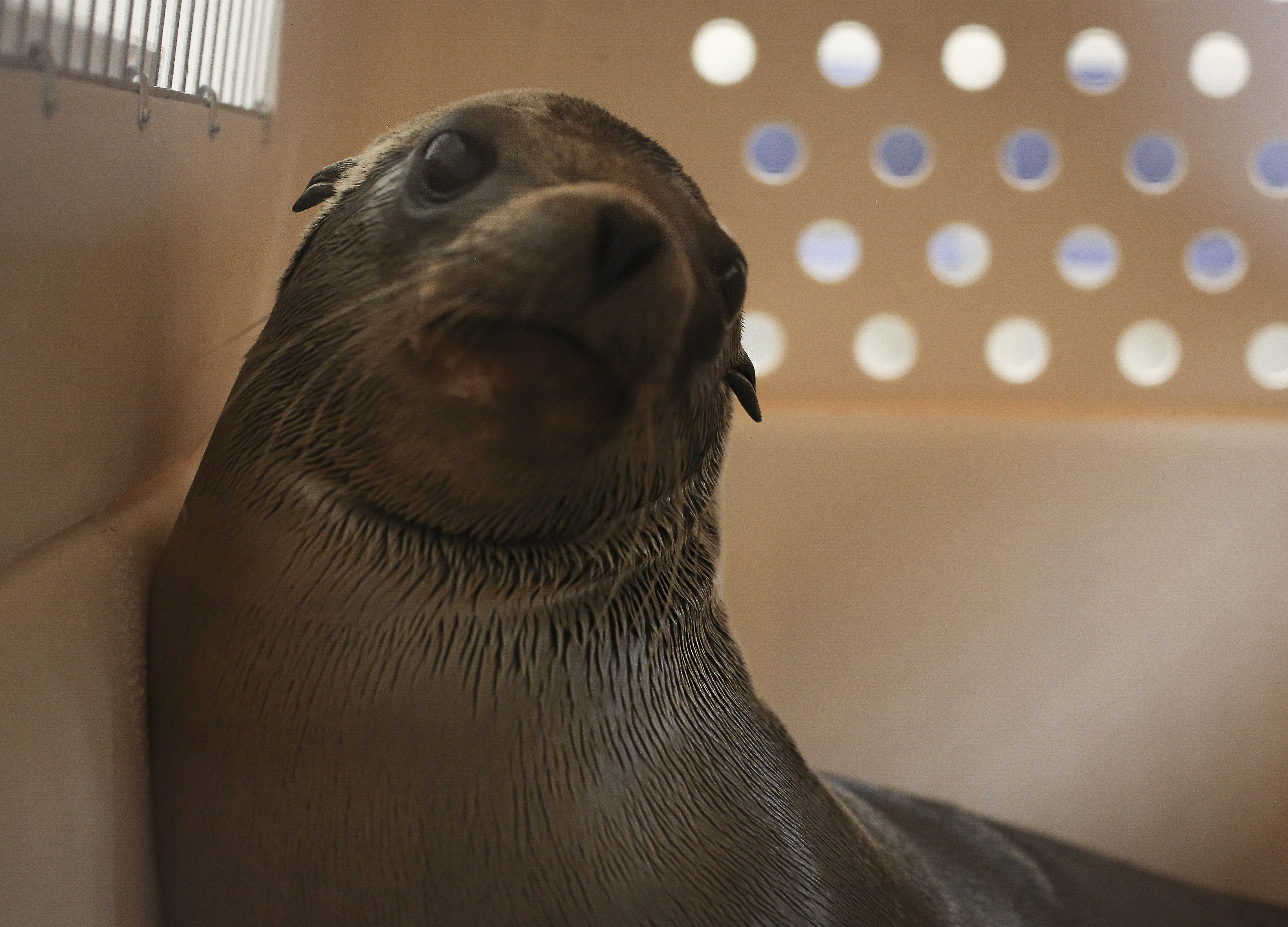
 Meet Ripley!
Search
Search results for ""
348 Results Found
Pages
Pursuing a career working with animals is a very rewarding experience which is also full of challenges. These careers require passion, dedication and a drive to succeed. To aid in your success, we encourage you to pursue an educational path focused on the sciences and to gain experience working with animals and people. There are two main components to making a career in the animal care field a reality: education and practical hands-on experience. Education is very important and obtaining a degree is beneficial to career advancement. Knowledge in the sciences and psychology will provide an understanding of animal behavior, conservation and research that will help you succeed throughout your career. In this field, hands-on application is vitally important as animal care is not something to be learned in a textbook. Animal care requires a multitude of skills and competencies that can be learned through internships and volunteer opportunities. This career path will take dedication, focus and determination. Take the opportunity to embrace an intern or volunteer position to explore the field and lifestyle to discover if this career choice is the right one for you! What You Didn’t Know About Becoming an Animal Care Specialist There are many aspects to a career in the animal care field that may come as a surprise. These careers are full of hard work, long hours and require more than just fun and games with the animals under your care. Behind the glitz and glamour associated with animal careers are hardworking, determined animal care specialists who dedicate their lives to the health and safety of the animals in their care. There is a tremendous amount of work that occurs behind the scenes at every animal facility. As a trainer, you will be responsible for the day to day care of your animals. Each day is structured around the mental stimulation, physical exercise, social requirements and facility care that are necessary to provide animals the healthiest lifestyle and environment possible. This includes performing daily cleaning tasks, diet preparation and providing environmental enrichment. Your day may involve scrubbing each animal environment for sanitation, bucketing hundreds of pounds of fish for animal diets or SCUBA diving a pool to perform facility maintenance. Every animal requires individual attention and each animal must be evaluated daily to ensure all behavioral, social, mental and physical needs are met. To provide these important aspects of care, animal trainers and keepers dedicate long hours providing whatever is necessary to maintain each animal’s well-being. At times, animals may require medical care or have babies which results in 24 hour around the clock care. The animals do not know the meaning of holidays or vacations and their needs are a priority in the life of an animal care specialist. Animal care specialists know that their schedules will vary and there are likely to be a few sleepless nights ahead! Public Speaking Many people believe that a career in the animal field only involves working with animals. In most cases, these positions actually require a substantial amount of public interaction and presentation. It is very important to become comfortable speaking in front of large groups and learn presentation techniques to help set you apart from other applicants. The power of voice is of great value in all animal care fields including the performance arena, zoos, aquariums and positions in government agencies. Members of the animal care field are united with a common goal of providing quality animal care and valuable conservation education to groups of all ages. It is important that all of our representatives are able to confidently provide accurate information regarding our animals and the environment to everyone we encounter. Whether you are interested in animal training, zoo keeping, aquarium maintenance or environmental education, hands-on experience will set you apart from others in a crowd. It’s likely that every applicant will be an animal lover, but those of you who can speak to your academic record and professional experience will be more likely to earn an internship or entry level position to begin your career in the animal care field. Not Just a Career but a Lifestyle Individuals who enter the animal care field definitely do not do so for the money. They do so for their passion and commitment to providing quality care to animals and to provide the public with valuable conservation education. When you choose to enter this field, you don’t just choose a career; you welcome the lifestyle as well. Animal care professionals never truly experience a 9-5 job.When you care for animals, you are on their schedule which often includes working holidays, weekends and extended hours.If the animals are in need, the staff will be there to provide care no matter the time of day or time of year. The animals depend on their caretakers for all of their needs. Salaries for animal care positions generally start near minimum wage with the opportunity to earn more as your experience increases. Pay scales and benefits differ greatly between positions, locations and organizations. Make sure you understand the type of life a career in the animal care field will provide and always remember the great rewards involved! FAQs What is a typical day of a marine mammal trainer? As the primary care takers, trainers are responsible for each animal’s mental and physical health. Trainers perform every aspect of animal care from water quality to diet preparation to facility sanitation. Each day may include cleaning tasks, training sessions, public presentations, interactive programs and enrichment time for the animals. In between these physical tasks, trainers also complete behavior records on each animal’s progress with training and husbandry goals to ultimately provide the best care possible. It sounds easy but these tasks can be physically and mentally challenging, and so rewarding at the same time! What do I need to do to pursue a career in animal training? You have got to start somewhere! It’s important to pursue the proper education that will help you prepare for a career in the animal care field. No matter your age or grade level, there are always steps you can take to help gain the knowledge and experience necessary for a successful career. Earn experience through volunteer positions, internships and job experience. In some cases, you may have to volunteer for several years before a job opportunity becomes available. Be patient, commit to learning from your experience and dedicate yourself to the field. Competition is high and jobs are limited, so start building your resume early to help set you apart from future competitors. Always remember that the animal care and training field consists of a tight-knit circle of professionals. It is important that you are able to develop a reputation as a hardworking, reliable individual and work to make a fantastic impression. Recommendations are highly regarded--your dedication and commitment to your professional will shine through to your supervisors, potential employers and may just help you obtain a paid position. High School Students - Focus your studies in math and sciences. Strength in these subjects will prepare you for college coursework and help you earn a degree. Pursue volunteer or job experience at your local animal shelter, pet store, veterinary office or doggy daycare to start learning about animal behavior and care. Even entry level positions at a local zoo or aquarium as a docent, concession worker or customer service representative can help you get your foot in the door. Many colleges look at volunteer and work experience when considering applicants so it is important that you make a good impression. Undergraduate Students - Pursue a degree in a science or education-related field. Most animal care positions are filled by individuals with degrees in biology, animal behavior, marine biology, zoology, psychology, environmental science, education or a related field. Intern - Apply to positions offered by organizations or government agencies to gain professional hands-on experience in animal care. Supervisors are often asked to provide professional references for interns who have worked for them so be sure to work hard and make a great impression. Many colleges work with marine mammal facilities allowing you to gain hands-on experience while also earning college credit. Although most internships in the field are unpaid, they offer valuable resume-building opportunities. Volunteer - Volunteer with a local zoo, aquarium, animal shelter, veterinary clinic or nature center. These positions will provide you with great experience and demonstrates your commitment to community service. Volunteering your time communicates that you're serious about your commitment to pursuing a career in the animal care field. This field can be difficult to break into so it is important to get your foot in the door. It may take several years of experience-building before a job opportunity arises. Work hard to develop a reputation for being an eager, cooperative, dedicated person, and your volunteer effort may help you get a job in the future Certifications If you are interested in pursuing a career in the marine mammal field, it’s advantageous to obtain a SCUBA certification and maintain current certifications in First Aid and CPR. These certifications are often required for paid positions and make you more marketable when you are applying for any position within the field. SCUBA Certification - PADI (Professional Association of Divining Instructors) SCUBA certifications are available in a variety of course options from traditional classroom instruction to university coursework to online versions. All courses require confined (pool) dives to teach and master diving skills and open water skills testing for certification. Traditionally, the fees average around $350 for the course and certification. Some companies allow you to rent SCUBA equipment but most require you to at least purchase a mask, fins, booties and a snorkel to use in class. For more information please visit http://www.padi.com/scuba/. First Aid and CPR Certifications - Basic first aid and CPR certifications will prepare you for any emergency situation. These skills will be useful in your personal life and in most professional settings. For more information please follow these links for more information: American Red Cross http://www.redcross.org American Heart Association www.americanheart.org Network, Network, Network! Get involved with professional organizations related to the animal care field. Many organizations offer student-level memberships that provide members with newsletters, workshops and website information that will help build your knowledge base and experience. Membership also gives you chance to form relationships with professionals in the field that may help guide your career path or help you get your foot in the door. Be sure to research the organizations you support and confirm that they are reputable sources within the animal care community. Future employers look for applicants who have done their homework and those who can speak specifically about the organization they are pursuing. International Marine Animal Trainers’ Association www.imata.org Association of Zoos and Aquariums: www.aza.org Animal Behavior Management Alliance: www.theabma.org Alliance of Marine Mammal Parks and Aquariums: www.ammpa.org Want to learn more? Check out a more complete list of affiliated zoos and organizations that provide the opportunity to learn and network with others interested in the field. What careers are available? There are many types of careers available in the animal care field. Click the link below to learn more about career qualifications, responsibilities and salaries. Does Ocean Connections offer internship and volunteer opportunities? --- Yes we do! Download our intern and volunteer flyer to learn more! (Download File) Check out our Career Opportunities and find out if an animal care career is right for you!
Pages
Want to join the team? As a part of the Ocean Connections animal care team you will be able to observe and learn about marine mammal care and training through activities such as: hosting shows, preparing animal diets and assisting in water quality and pool maintenance. Animal Care internships are available at both our Milwaukee and HersheyPark locations. Together, we can help inspire a great appreciation for animals and the environment. Learn more about our intern and volunteer programs! Animal Care Internship Volunteer Opportunities
News Item
Bring the magic and fun of marine mammals to your online classroom! Ocean Connections is committed to community outreach and education. For the remainder of this school year, we will be offering you an engaging, interactive resource by providing digital lessons for kids via Facebook Live. Featuring our seals and sea lions, these Virtual Field Trips occur twice a week and will explore marine life, conservation, adaptations, DIY upcycled craft projects, and more! We hope that you will find this resource useful and share it openly. To participate simply follow us on Facebook by clicking here. Be sure to tune in to Facebook Live every Tuesday and Friday at 11:00AM CT to learn about our animals, our facility, and more. You can also access our Virtual Field Trips through our Google Drive which you are welcome to share with your own Google Classroom or check out the links below! Virtual Field Trip Topics (Click Topic to Access Video): What is a Pinniped? Amazing Adaptations Survival of the Species Upcycled Crafts Part 1 Welcome to the Fish House! Animal Training Part 1 Animal Training Part 2 Staying Healthy Sea Lion Style! Enrichment and Play Rescuers from Orange County Meet our Rescued Sea Lions! Who Dirtied the Water? Exclusive Interviews with Our Trainers How to Draw Awesome Seals Hello from Hersheypark Interactive Programs
Pages
February 9, 2012 Press Release Distributed by the Alliance of Marine Mammal Parks and Aquariums (AMMPA) Making More Than Just A Memory National Poll Finds Accredited Marine Parks, Aquariums and Zoos Best Places for Children to Learn About, Connect with Marine Mammals Children have a natural curiosity about dolphins, whales and other marine mammals. The best way for parents to encourage this interest – and to inspire a lifelong passion for wildlife conservation – is to log kids off the computer and visit an accredited marine park, aquarium or zoo, where learning happens best. That’s according to a new national public opinion poll that says the public strongly believes seeing and experiencing live animals is the best way for children to learn about marine mammals. Released on February 9, 2012 by the Alliance of Marine Mammal Parks and Aquariums, the survey of more than 1,000 adults found that 97 percent of people agree that marine life parks, aquariums and zoos are important because they educate children about marine mammals – animals that children might not have the opportunity to see in the wild. 94 percent of those polled agree that children are more likely to be concerned about animals if they learn about them at marine life parks, aquariums and zoos, and that visiting these facilities can inspire conservation action that can help marine mammals and their ocean environments. The poll, conducted by Harris Interactive®, also found that 94 percent of people agree that zoological parks and aquariums offer valuable information about the importance of oceans, bodies of water and the animals that live there. “Children, especially, care more about what they know and understand, and these parks provide important interactions that are a critical first step in promoting kids to take action to help animals and their habitats,” said Marilee Menard, executive director of the Alliance. Additionally, the poll found that 89 percent agree that children learn more about marine mammals at an aquarium or zoo than in a school classroom, and 88 percent agree that you can learn about animals at marine parks in a way that can’t be replicated by watching film or TV programs. Some 91 percent agree that seeing a marine mammal at these facilities fosters a connection to the animal. “When children – and adults – see and experience the excitement of being close to marine mammals such as whales, dolphins, and sea lions, it resonates in ways that even the most vividly illustrated book or video cannot. It is an emotionally enriching experience that fosters a sense of caring for these animals and their ocean environments,” said Menard, whose Alliance membership represents 48 accredited facilities that account for the greatest body of experience and knowledge about marine mammal care and husbandry in the world. Other findings from the new public attitude survey include: 40 percent of Americans (about 125 million people) have visited a marine park, aquarium or zoo in the last 12 months, including 56 percent of households with children (about 20 million households). 94 percent believe the people who care for the animals at marine life parks, aquariums and zoos are committed to the welfare of the animals. 93 percent believe that many of the successes to save endangered or declining species are at least in part a result of work done in marine life parks, aquariums and zoos. 90 percent agree that species in the wild benefit when their biology and physiology is studied in marine life parks, aquariums and zoos. 90 percent believe that interacting with dolphins in a marine life park, aquarium or zoo offers people a deeper understanding and appreciation of this mammal. 97 percent (ages 18-24) would be interested in swimming with dolphins. “We pride ourselves on providing an educational and enjoyable experience for families,” Menard said. “Professionals at Alliance member institutions work every day to inspire guests of all ages to share their commitment to marine mammals, the need to protect them in the wild and to conserve ocean habitats.” Methodology Harris Interactive® conducted the study online on behalf of the Alliance of Marine Mammal Parks and Aquariums between Aug. 29 and Sept. 6, 2011 among a nationally representative quantitative survey of 1,011 U.S. adults ages 18 and over. The data were weighted where necessary to be representative of the total U.S. adult population on the basis of age, sex, race/ethnicity, education, region and household income. The propensity score weighting was also used to adjust for respondents’ propensity to be online. The Alliance of Marine Mammal Parks and Aquariums is an international association of marine life parks, aquariums, zoos, research facilities, and professional organizations dedicated to the highest standards of care for marine mammals and to their conservation in the wild through public education, scientific study, and wildlife presentations.
News Item
Ahoy, Mateys! Set sail with Pirates Voyage & Ocean Connections for a Beach Clean-Up Adventure! Date: Saturday, January 20th Time: 10:00AM-12:00PM ET Location: 710 N Ocean Blvd Myrtle Beach, SC 29577 (Myrtle Beach Access at 8th Avenue North) Meet some of our pirates, learn about ocean conservation, and enjoy a swashbuckling day of cleaning up our beloved beach! Trash bags and grabbers will be provided. We hope to “sea” you there!
Pages
2012 marked the largest summer ice losses in the Arctic since 2007. The amount of sea ice covering the Arctic Ocean in 2007 was 29%; this year the amount of sea ice decreased to 24%. Last November had the fifth highest global temperatures on record. What is causing these recording breaking events? The simple answer is climate change. There are many factors that influence climate change. A leading contributor is the greenhouse effect. It is important to understand that the greenhouse effect is an integral part to maintaining life on Earth. The greenhouse effect refers to infra-red light from the sun that enters the Earth’s atmosphere and helps to regulate temperatures. The current problem is that humans are adding large amounts of carbon dioxide (CO2) and other gases into the atmosphere, referred to as greenhouse gases, by doing things such as burning fossil fuels. These actions all contribute to your carbon footprint. The increase in greenhouses gases has many effects on our world including preventing heat from escaping, thus increasing the overall global temperature. Ocean acidification is another troublesome side effect of climate change. The ocean is absorbing 50% of the CO2 that has entered the atmosphere by the burning of fossil fuels. This increase in CO2 results in lower pH levels of the ocean and increased acidity. These changes have many affects on the marine ecosystem. Corals responsible for producing reefs are not able to produce their skeletons as quickly; reduced coral reefs mean reduced protection for marine organisms. The increased acidity in the ocean also makes it difficult for free-swimming algae and plankton to maintain their protective outer shell, which leads to decreases in their populations. Plankton and algae are a vital part of the marine ecosystem, and their decreased numbers would mean serious consequences for the marine food web. Many animals are affected by the events caused by climate change. Increased temperatures cause sea ice to melt at rapid rates, which impacts polar bears who rely on ice in order to capture their prey, to rest, and for breeding. With less and less ice, polar bears are finding it harder to survive. Rising sea levels threaten the beaches where endangered species of sea turtles, such as loggerheads and green turtles, go to lay their eggs. The endangered right whale is losing a key food source, a tiny crustacean, due to increased ocean temperatures. This lack of food makes it very difficult for females to carry a calf full term. Due to habitat destruction, decreased food supplies and changing weather patterns, many species of plants and animals are struggling to survive. But amidst this harsh reality, zoos and aquariums play a crucial role in educating the public about climate change and simple steps you can take in your own homes to help protect our planet and the beautiful animals that share our world. Zoos and aquariums provide a place for you to go and form a connection with exotic animals that you may otherwise never see in person. Take the opportunity to visit a polar bear and many other animals at your local zoo or aquarium and learn what you can do to help these animals in the wild! To stay up to date on the latest climate change issues, visit the National Oceanic and Atmospheric Administration’s webpage! Sources NOAA Climate Change - http://www.climate.gov/#climateWatch EPA Climate Change - http://www.epa.gov/climatechange/
News Item
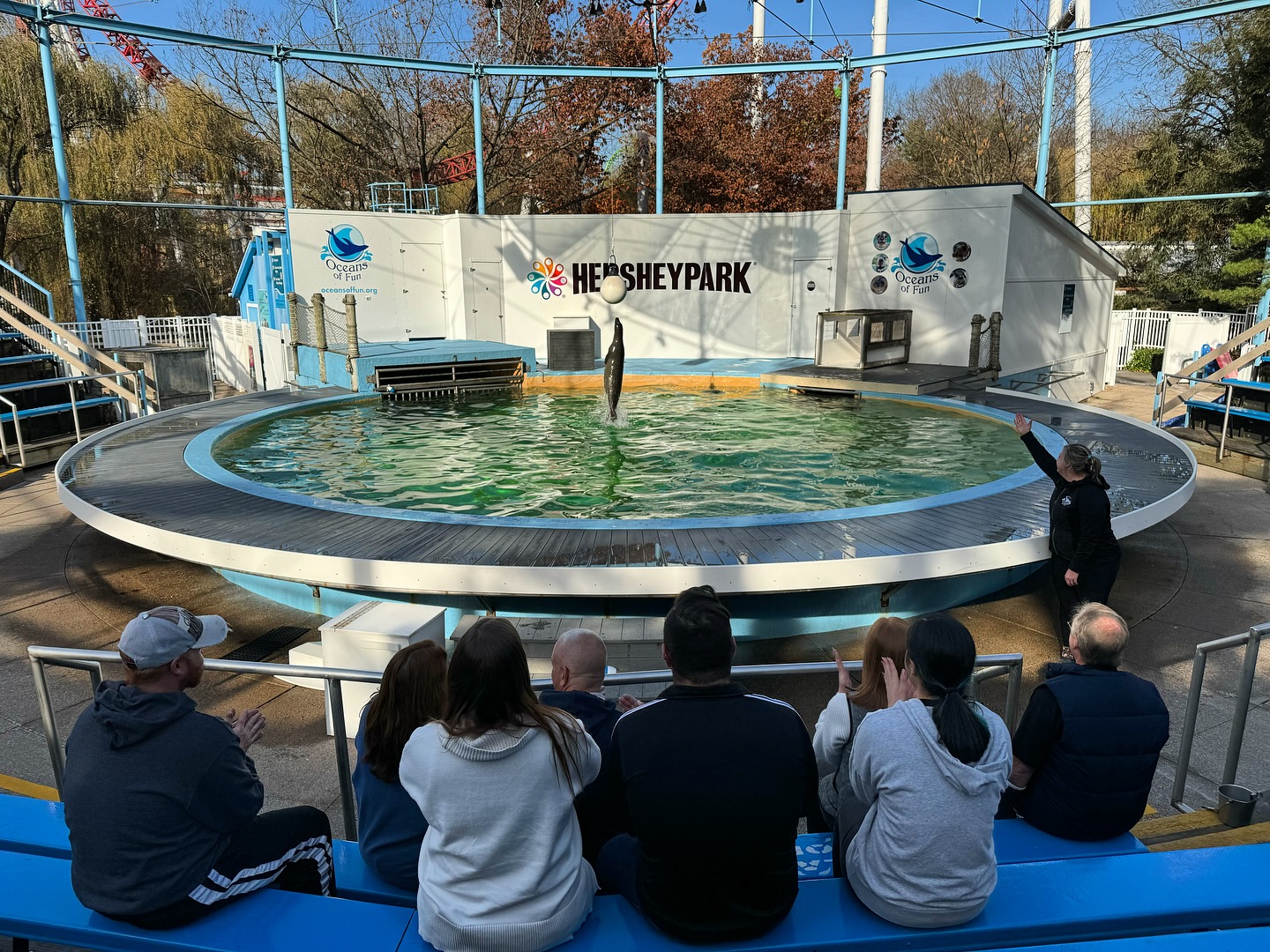
We are excited to announce the return of our California sea lions, Colby and Diego, to Milwaukee! The boys spent the past summer performing in educational presentations at our facility in Hershey, Pennsylvania. Oceans of Fun has provided seasonal pinniped shows at Hersheypark since 2009. This year we are ecstatic to have a year-round facility at Hersheypark! Though our California sea lions have returned to Milwaukee, our harbor seals Bumper and Mango will be staying throughout the winter and will be participating in Christmas Candy Lane training demonstrations! Trainers transported Colby and Diego home using large, wooden crates, similar to ones you may have in homes for your pets (but a bit larger!). Colby and Diego have been trained to voluntarily enter and allow us to close the crates. This ensures that the entire transport trip is positive and comfortable for our animals. Sea lions are unique in that they do not constantly need water. These animals use water primarily as a food source, as they require fish to eat. They are comfortable and content to be transported dry; however, we made several stops along the way to mist the animals and ensure their comfort and well being. Mango and Bumper will stay with several of their trainers at Hersheypark. Our harbor seals and their trainers will be putting on educational presentations all throughout Hersheypark’s Christmas Candy Lane, running November 13th - December 31st. Following select performances, guests will have the opportunity to have their picture taken with Bumper during our Behind the Splash program! In addition to these educational presentations, guests can also get closer to our animals by participating in our job shadow program. For the most up to date information on Hersheypark show times, be sure to check out the schedule on their website. Follow us on Facebook for updates on our animals and latest happenings!
Pages
Make Ocean-friendly Seafood Choices Every year, humans consume over 80 million tons of seafood. This does not even include the fish animals in the wild need to eat. The take home message: we eat A LOT of fish! It is easy to do your part to make more informed and sustainable choices in seafood with the help of the Monterey Bay Aquarium Seafood Watch Pocket Guide The Monterey Bay Aquarium Seafood Watch Pocket Guide is designed to fit easily in your wallet or purse and outlines the best choices in seafood. Their website also allows you to easily access the most updated Pocket Guide to download to your personal devices. Scientists at the Monterey Bay Aquarium in California research to find the healthiest and most sustainable choices of seafood and compile the information into these handy pocket guides. There are 3 categories: Best Choices, Good Alternatives and Avoid. Seafood Watch scientists look at fishing and farming practices, natural populations and health concerns to determine where each kind of fish will fit into the categories of the pocket guide. These guides are a ready-resource to help you make informed choices the next time you purchase seafood at a store or restaurant. Just pull the guide out of your pocket or use the Seafood Watch website and determine if the fish you want to purchase is a sustainable choice. You may have to ask questions about where the fish comes from or the way the fish was caught, but its all about awareness. The more people who are talking about sustainable seafood, the healthier our world’s oceans will become! For more information or to download your own Monterey Bay Aquarium Seafood Watch Pocket Guide, please visit www.seafoodwatch.org
Pages
Marine mammals living in the wild face many challenges on a daily basis. Some of these challenges occur naturally while others are contributed by human interaction and development. Through habitat destruction, harassment, pollution, overfishing, and disease, these animals struggle to survive in their natural habitats. Ocean Connections functions as a marine mammal education center with the goal of promoting public education on marine mammals and environmental conservation. Our goal is to educate guests on local, national and global levels about conservation issues which effect marine species, habitats and biodiversity. By promoting stewardship and encouraging respect for the natural world, we are committed to educating the public about marine life, environmental protection and conservation while also contributing and taking part in important conservation and research efforts supporting the survival of marine mammals in the wild. Your contribution plays a vital role in our continued efforts towards important research and conservation and will help allow us to continue to be proactively involved in pinniped conservation around the world. Recent Research and Conservation Efforts Punta San Juan Pinniped Research Project Ocean Connections has joined in partnership with the Chicago Zoological Society in studying the populations of South American sea lions and the endangered South American fur seals in the Punta San Juan (PSJ) Marine Protected Area. Both facilities are committed to the development of veterinary field projects, conservation programs, and education programs. Unusual Mortality Event (UME) in California Since January of 2015, over 7,000 California sea lions have stranded off the coast of California in what the National Oceanic and Atmospheric Association (NOAA) has deemed an Unusual Mortality Event or UME. This mass marine mammal stranding has left rescue centers flooded with individuals that may or not may be able to return to the ocean. When an animal is deemed non-releasable by the government, accredited zoological institutions like Ocean Connections provide a permanent home for them. Such is the case with our rescued California sea lion, Moana! Moana was found at four months of age trapped in a storm sewer. Starving, dehydrated, and alone she was deemed non-releasable due to her young age and lack of survival skills. This is the third time in our history that we have welcomed a rescued California sea lion into the Ocean Connections family and we plan on continuing to keep our doors open to these stranded animals in order to give them a second chance at life. It is only with your continued support that we are able to do so. Donations made to Ocean Connections can help stranding centers rehabilitate and release marine mammals back into their natural habitat, and when release is not possible, the donations aide in providing the best possible care for these animals at facilities like Ocean Connections. YOU can make a difference in the lives of the animals at Ocean Connections! < < Back to GIVING BACK
Newsletters
This past fall, Ocean Connections took part in the National Network of Climate Change Interpretation (NNOCCI), a collaborative effort led by the New England Aquarium, Associations for Zoos and Aquariums, Monterey Bay Aquariums and several other facilities. NNOCCI is a grant-funded project that teaches educators in informal science facilities, like Ocean Connections, how to best present climate change to our visitors and guests. Through in-person meetings, conference calls and webinars, two staff members spent time learning about strategic framing. Strategic framing is a technique used to successfully educate visitors about environmental issues and inspire them to want to make a difference. The strategies learned have been scientifically tested by the Frameworks Institute to see how the public responds and if the topic is easily understood. A huge part of the Ocean Connections mission is to educate the public about marine mammals, the environment and conservation. By being a part of this program, Ocean Connections has gained invaluable knowledge about how to reach our guests and inspire them to become agents of change for our environment. Once the training phase was complete, a staff development meeting was held for all of our staff and volunteers to attend. This meeting allowed the rest of our staff who had not gone through the training process, to learn about the techniques of strategic framing as well. So what is Climate Change Anyway? Actions such as burning fossil fuels like coal, oil and gas, release an excess amount of carbon dioxide into the atmosphere. This build up creates a heat-trapping blanket around the earth that does not allow the earth’s excess heat to escape, which results in an increased average global temperature. Since the ocean absorbs much of the excess heat, one of the many effects of increased temperatures is a warmer ocean. Many fish populations depend on specific water temperatures to grow, reproduce and survive. When the water becomes too warm, fish may move to deeper and colder waters. When fish populations move, many predators can be negatively affected. For example, sea lions will spend more time out at sea hunting, therefore leaving behind the safety of land areas and their pups for longer periods of time, risking their survival. There are many things that we can all do together to help reduce our carbon emissions and preserve the world around us for generations to come. By supporting environmentally friendly organizations, regulations and using sustainable energy sources, we can make a difference together for the seals and sea lions in the wild.
News Item
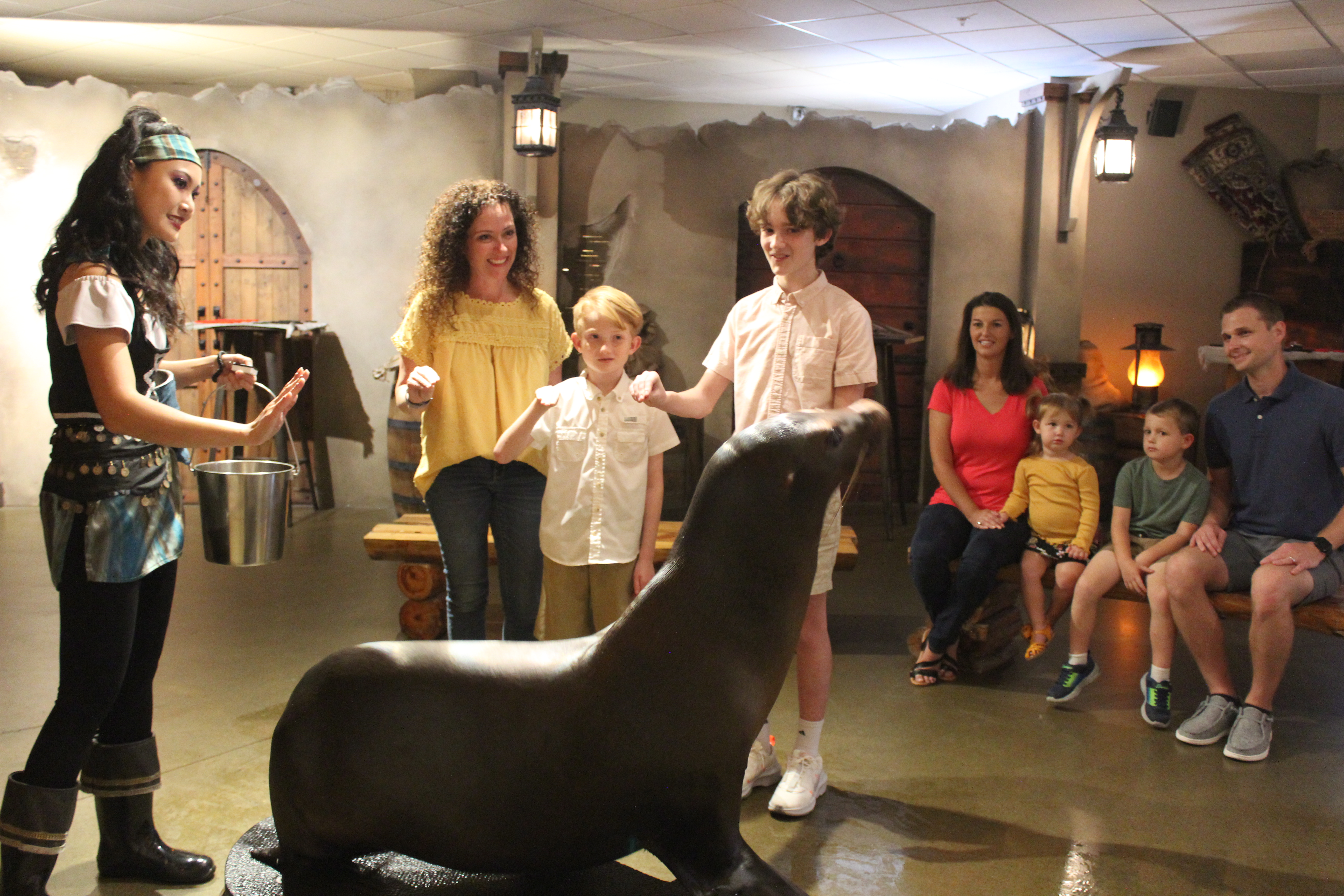
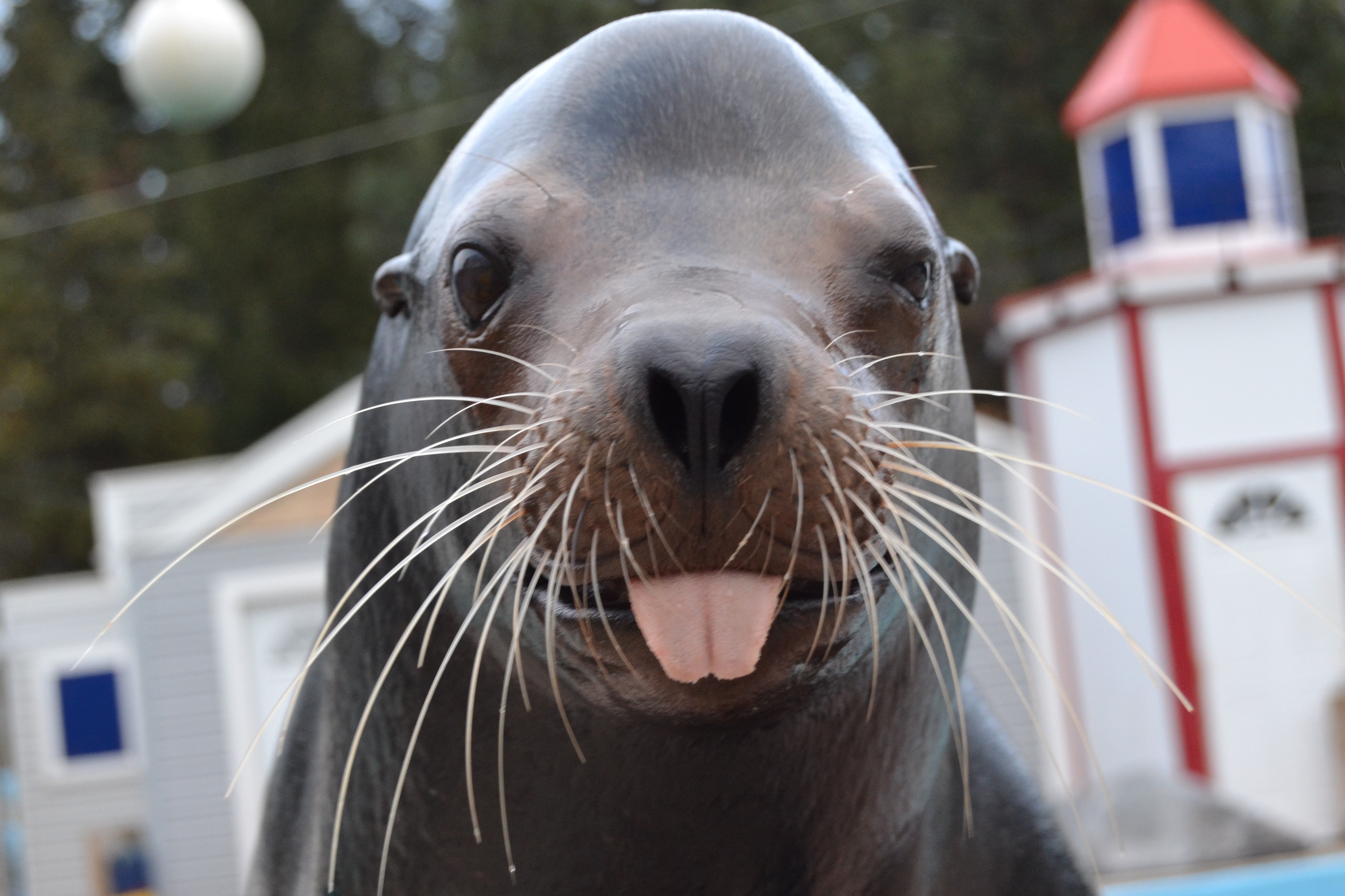
Our interactive programs provide an amazing opportunity to meet some our animal ambassadors and learn how to be a conservation crusader for their wild counterparts. If you or someone you know loves marine mammals, we have a program that allows you to get up close and personal with our seals and sea lions. Whether staying dry poolside or dipping your toes in the water, the following interactive programs are guaranteed to put a smile on your face and a love for our flippered friends in your heart: Sea Lion Splash is offered for kids ages 5-10 and is a program that has been a favorite for many years. Our junior trainers work with our educators, trainers, and animals while learning about our seals and sea lions, what goes into training our animals, and conservation. Participants in these programs work poolside with our animals feeding them fish that they checked and bucketed themselves all while practicing some hands-on training with a target pole and a clicker! Are you 13 or over and interested in learning about the world of marine mammal science in greater detail? Check out our Job Shadow program and spend the day one on one with one of the members of our animal care team! Kids Summer Camps are something that every child (and sometimes parents, too!) look forward to every year. Oceans of Fun offers the only marine mammal camp in the Midwest and we’ve recently made some fun changes to some of these programs! Our camps are offered for children ages 7-13 and allow participants the unique opportunity of a life time. Whether attending our 2-Day Animal Training Camp, 3-Day Mini Camp, or our 5-Day Sea Lion Explorer or Marine Voyager camps, participants get to know our animals and trainers extremely well through daily poolside interactions. New this summer, is our Marine Voyagers Marine Mammal Careers Camp which will focus on all the professions revolving around marine mammals. From trainers to veterinarians to educators, our campers will experience it all and even more! From crafts to mock rescue and rehabilitation, our camps provide some of the best summer memories a child could ask for! Our Aquatic Adventure is one of our most popular programs as it's the only in-water pinniped program in the Midwest! Have you ever wondered what it would be like to enter the water with our seals and sea lions? Find out during this one of kind program and create memories that will last a lifetime. Learn in depth about the components of providing exceptional welfare to these animals, how we reinforce positive behavior, and more before making a splash with our animal ambassadors! For more program details or to make a reservation click here. Unsure of your schedule but want to take advantage of our 15% off deal? You are able to reschedule your program free of charge up to two weeks prior to your program!
News Item
In an abundance of caution, our facilities in both Wisconsin and Pennsylvania will be closed through at least March 27th. The health and welfare of our team, guests, and communities is our utmost priority. All programming and classes through March 27th will be canceled as a preventative measure to help slow the spread of COVID-19 through our areas. Although we are outdoor establishments, we will utilize this time to ensure that our sanitation and cleanliness protocols are enhanced ensuring that high touch point areas are thoroughly sanitized, and we are able to ensure a pristine environment throughout our facilities. We can confirm that our team of experts will continue to provide excellent care for our animals during this time. Please check back for updates regarding our closure status. We recommend the following links to science-based sources of information about his virus from the Centers of Disease Control and Prevention and the World Health Organization. Thank you for patience and understanding at this time. Stay healthy and safe, everyone!
Pages
7/10/13 Let the Adventures Begin! After gaining comfort in our 6-foot holding pools, Talise has ventured into a new and exciting place - the main pool!! This vast 18-foot deep pool provides Talise with lots of opportunity for adventure! Click here to learn about her first adventures in the pool! 5/29/13 Swimming Time! Talise is growing quickly! This past week she has reached the milestone of learning to swim in one of our pools! Click here to follow her story! 4/30/13 Talise's Debut! Ben Lorber from WISN-TV Channel 12 came out to to showcase Ocean's of Fun newest family member, Talise! We can't thank him enough for capturing such precious moments of Talise's first weeks! Click here to check out his wonderful slideshow! 4/28/13 Colby is 10 Months Old! Colby's training is well underway! Check out how fast he is learning! 4/26/13 Colby in the Spotlight! Thanks to Ben Lorber from WISN-TV Channel 12 for coming out and following Colby's progress during his first year of life! Check out his slideshow and see highlights of Ben's Visit! 4/19/13 IT'S A GIRL!! On Wednesday April 17, 2013 at 12:06am, Sonoma gave birth to our brand new female sea lion pup! Check out how this little munchkin is doing! 4/10/13 Spring Registration Special Receive 15% off all program reservations made from April 11th through April 18th! To learn more about our programs and to make your reservation today, click here! 4/5/13 Colby's Formal Training has Begun! It's official! Colby's formal training has begun! Check out what the first steps are in training a young sea lion! 3/16/13 Early Bird Camp Registration Special Extended! Back by popular demand, we are extending out Early Bird Camp Registration special, allowing you to recieve 20% off all camp registrations! This special is running now through March 24th! Don't miss out on these amazing savings and make your reservation today!! 3/6/13 Early Bird Camp Special Take advantage of our Early Bird Camp Special and recieve 20% off all camp registrations made from March 5th through March 15th! Make your camp reservation today! 2/21/13 Colby is 8 months Old! Colby is now eating fish like a big boy! Check out how his trainer's made fish fun! 2/13/13 Still trying to find that perfect Valentine's Day present for that special someone? Well book your reservation today for our Aquatic Adventure program and receive 20% off through February 17th! This program will allow you to enter our animals environment where you will have hands on interactions with these amazing animals. You may even get sea lion kiss! What more could you ask for? Learn more here! 2/4/13 Seals, Sea Lions, and snow fun! Check out our Februaruy Newsletter to see what our flippered friends are up to this winter! If you want to stay up to date on our latest news, subscribe to our Fan Club and receive program specials and the most recent newsletter! 1/27/13 Colby is 7 months old! Colby is growing in leaps and bounds! Check out what our little tyke is learning this month! 1/10/13 Have you always wanted to be an animal trainer? Now’s your chance! Join us at Ocean Connections for the experience of a lifetime in our Job Shadow program. Learn to feed, train, and care for our flippered friends in this private interactive program. Book today and receive 20% off all Job Shadow programs! Learn more now! 12/31/12 Colby is 6 months old! Check out our littlest star as he learns, plays and grows at Ocean Connections! 11/5/12 Punta San Juan Journal is Live! Follow along next week as Ocean Connections president, Shelley Ballmann, journals about her travels and provides updates on the pinniped conservation project of Punta San Juan! Read more and follow along here. 10/15/12 Colby is 4 months old! Colby is making new friends everyday! Learn more about Colby's newest adventures at Ocean Connections! 9/11/12 Colby is 12 weeks old! Learn more about what life is like, growing up sea lion! 8/1/12 Swimming Lessons Have Begun! Colby has started swimming in our holding pools! Check out his progress with our newest post about this cuddly little star! Swimming Lessons 7/15/12 Pup Pool Time! Colby is having a blast playing in his swimming pool! Check out the newest photos of Colby having splashing good time! Pool Time 7/6/12 New Photos of Colby! News reporters stopped by this week to meet Colby and take photos of the little guy playing with his toys and trainers. Check out his playful antics in his newest slideshow! New Pup Photos 6/27/12 Colby's Debut on RealMilwaukee! Tony from RealMilwaukee stopped by Ocean Connections to visit Slick and to meet Colby, our newest sea lion pup on Tuesday June 26. Learn more about Tony's adventures with the animals of Ocean Connections in the following videos. Learn more! 6/21/12 Help us welcome our new addition! Makaia gave birth to a healthy sea lion pup at 8:02 pm on Wednesday June 21, 2012. Follow along with mom and pup's progress as our littlest star learns what sea lion life is all about. Learn more! 3/13/12 Fox 6 News: Tony has Ocean Connections with the sea lions at the Milwaukee Co. Zoo Tony from Real Milwaukee stopped by to meet our new additions to the Ocean Connections family! Learn more about our new friends Bumper, Abby and Sonoma and our new summer programs in the following videos. You won't want to miss you chance to get up close and personal with these stars! Learn more! 2/11/12 Meet Bumper! This winter we welcomed a new member to our pinniped family! In late January, Bumper, a 2 year old male Atlantic harbor seal joined Ocean Connections from Long Island Aquarium in New York. Being a juvenile, Bumper weighs in at 130 pounds. When full grown, male harbor seals reach weights of approximately 300 pounds and lengths of 6 feet. This little guy sure has some growing to do! For photos and news updates about Bumper’s transition to life at Ocean Connections, be sure to follow us on Facebook! Read the latest update > Older Articles - 2/5/12 11/22/11 Meet our New Additions Ocean Connections works collaboratively with fellow zoos and aquariums in establishing breeding loans to diversify genetics within populations and ensure success in future generations. Our most recent collaboration unites the Chicago Zoological Society and Ocean Connections as two new california sea lions have recently joined our collection. Meet Abby and Sonoma our newest family members! Read the latest update > Older Articles - 10/27/11 | 10/20/11 | 10/11/11 | 10/07/11 10/21/11 Ocean Connections is recognized and received Accreditation at the 2011 International Marine Animal Trainer Association conference for having satisfied the qualitative evaluation for professional standards of the IMATA Trainer Development Program. Ocean Connections president, Shelley Ballmann proudly accepts a plaque in recognition of our program. 10/06/11 Let's GO Brew Crew!!! In true Wisconsin team spirit the seals and sea lions at Ocean Connections are doing their part with a little "pool gating" to cheer on our Brewers! Come cheer with them by making a program reservation before our season ends! Make your reservation now! 08/11/11 Want to keep up on what's new at Ocean Connections? Read all about our specials, program highlights, featured animals, conservation tips, and how you can sponsor a seal or sea lion in our Quarterly Newsletter. 07/1/11 Fox 6 News: Tony has Ocean Connections with the sea lions at the Milwaukee Co. Zoo 06/21/11 Aqua Kids visit Ocean Connections! Aqua Kids is an award-winning children's program dedicated to educating young people about the importance of protecting marine environments and the animals that live there. Aqua Kids motivates young people to take an active role in preserving aquatic environments and wildlife, by showing how other kids just like them can do the same. Read more > 06/20/11 Happy Birthday Sport!!! Ocean Connections proudly celebrates the 30th Birthday of Sport our female California Sea lion this year. Sport is one of three , and the last surviving california sea lion which began with Ocean Connections in 1991 at the Milwaukee County Zoo. Life expectancy for california sea lions averages 6-10 years in the wild, however thanks to the quality of care marine mammals receive in zoos and aquariums today we expect to easily double their natural life span. Read more > 11/15/10 Want to keep up on what's new at Ocean Connections? Read all about our specials, program highlights, featured animals, conservation tips, and how you can sponsor a seal or sea lion in our Quarterly Newsletter. OCEAN CONNECTIONS’S “GREEN LIVING EXHIBIT” RAISES FUNDS FOR GULF OIL SPILL Green Living area continues to raise funds for the animals effected by the Gulf of Mexico oil spill this past April. To date $1,825 has been raised to assist in the rehabilitation of effected animals and donated to the Emerald Coast Wildlife Refuge (Florida) and the Oiled Wildlife Rehabilitation Center (LA). Ocean Connections will be accepting donations at our Green Living Center through October 3, 2010. Stop by to learn how you can help! 08/04/10 Check out some live footage of Sequoia from a recent interview by Kidd O'Shea at 99.1 WMYX. Click here to view it on 12 News. 06/28/10 The Zoological Society of Milwaukee wrote a great piece about our new pup, Sequoia. Click here to read it! THIS JUST IN: Ocean Connections is extremely proud to have been accepted into the Alliance of Marine Mammal Parks and Aquariums which represents the highest standards of marine mammal care and husbandry within our industry.
News Item
This summer has been very busy for Oceans of Fun. Raising California sea lions takes a lot of dedicated work from our animal care specialists and this season we welcomed two sea lion births! Zeus, born to his mother Sonoma in March, is now a very energetic 5-months old. We recently welcomed Reese to first time mother Geneva on July 10th. To ensure our pups are strong and healthy, our trainers commit a large portion of their day to our pups, but it is always worth it to see them grow and play! Believe it or not, when sea lions are first born they do not know how to swim. Before they can enter our 18-foot deep main pool for the first time, pups must spend several weeks preparing in shallower baby pools. Under the watchful eye of her mother Geneva, Reese has been splashing and romping in her own private baby pools. By providing her with shallow water, she can gain comfort with holding her breath, and figure out what exactly her flippers are meant to do! Once she has enough comfort, she can advance to our holding pools, which are 6-feet deep. Already 5-months old, Zeus has long since graduated to our main pool environment. At this time, he is still nursing from his mother. Pups can begin to eat fish at 6-12 months of age. Zeus spends his days playing sea lion tag with his best friends Talise and Nalu. He is quite the energetic boy – zoo guests may even have the chance to see him zooming and porpoising through the pool during our shows! Zeus’ days are filled with play which is crucial to the development of young animals. Not only does he learn how to interact in social relationships, but he is building the strength and coordination necessary to thrive in live. Once he begins eating fish, he will learn a whole new game of training with our staff! For regular updates on our pups and all the animals at Oceans of Fun, follow us on Facebook!
News Item
Our data collection is well underway! The project goal is to obtain data on and tag South American fur seal pups successively over multiple months to obtain growth and nursing data. With most births occurring during the months of November - December in Peru, collection dates were set for late December 2013 , February and March of 2014. Pups were collected, measured, weighed and tagged (if not already done so) for tracking. Graduate students participating in the program then monitored the pups daily recording nursing behavior and maternal care. Although initially the mothers remain on land nursing the pups, at approximately 7 - 10 days of pup age the females naturally return to sea to forge. This foraging time gradually increases as pups age and eventually join their mothers at sea. During the first few months however, pups are left behind learning survival skills, Our project is studying the amount of time mothers remain at sea and then successively return to nurse and nurture pups. This duration of time is of key importance as we study growth rates, foraging distance for females (an indicator of prey availability), and survivability in the wild. As these animals are naturally inclined to feed opportunistically and capable of fasting for extended periods of time, we hope to gain valuable information relating to both population sustainability in the wild and within zoological collections. Fasting animals are naturally a concern for us and obtaining information to compare behavior exhibited in the wild to behavior commonly viewed within our collections will assist us in animal welfare decisions. To date this season 306 pups have been collected to obtain growth data and tagged for tracking. 120 of these pups have been evaluated multiple times. Follow up data also includes ensuring that the mother - pup bond is not effected negatively. All pups are released following their data collection and monitoring occurs which has proven that mothers and pups reunite naturally. This is the third collection of the season with data collected from 108 pups so far. Collection has gone smoothly with a team of 18 researchers, behavioralist and veterinarians all assisting in data collection. From sun up until sun down today, our team worked diligently on the beach collecting data and monitoring behavior following pup release. Pups get your attention quickly! They are squirmy, very fast and each has their own personality! Needless to say this is a week well spent but required a great deal of teamwork from a collaboration of individuals and organizations. The information we have gained however will hopefully benefit animals both in the wild and within our zoological communities!
