





 Animal Encounter
 Our Locations
 Family Fun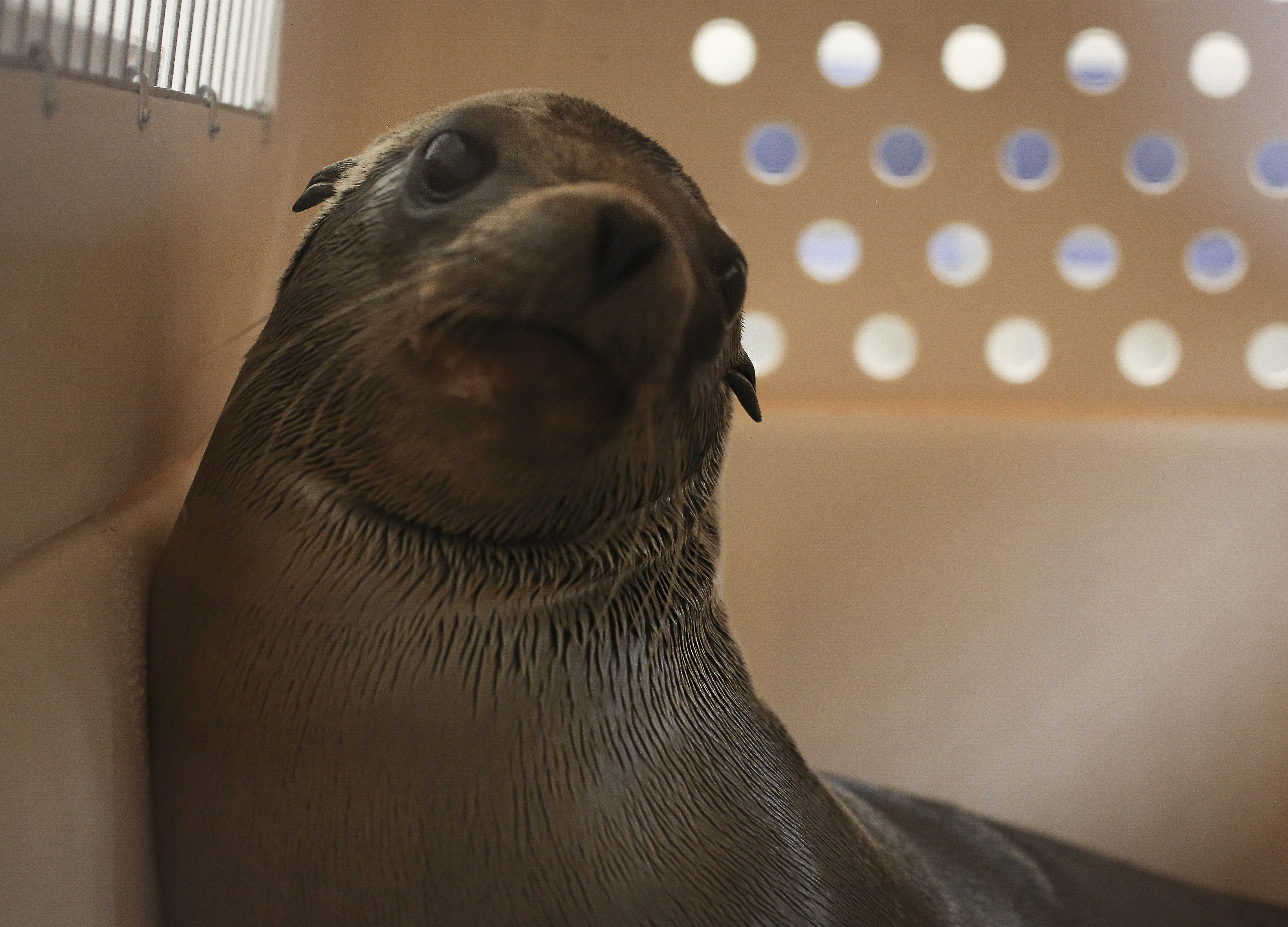
 Meet Ripley!
Search
Search results for " 대부업대출﹛hangaram-loan>COM﹜ 02 1566 5721 ✇ 아파트대출금리∝ 개인회생연체ま 대부업대출➞ 생계자금대출❡ 대부업대출❏ 개인자영업자대출づ"
348 Results Found
348 Results Found
Pages
Kids Educational Programs & Camps in Milwaukee, WI for Ages 7-9.
Pages
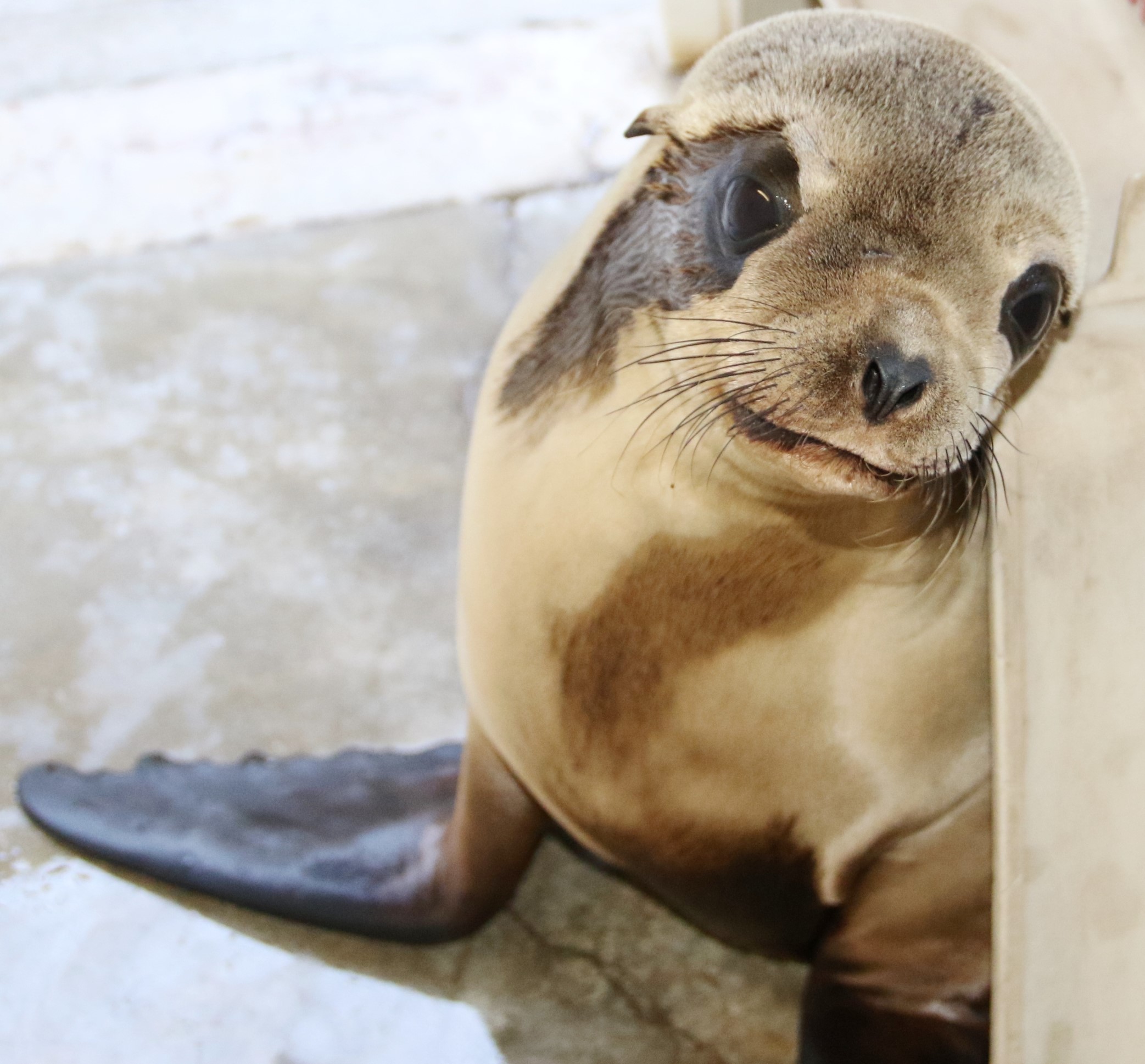
7/10/13 Talise's Big Adventure Over the past 11 weeks our sweet Talise has conquered many feats. This past week, Talise conquered our 18-foot pool like a star! Before reaching this big milestone, Talise had to become comfortable in our 6-foot holding pools. Talise also met all of her other pool mates and began to form relationships with each seal and sea lion. It was important for Talise to be comfortable around all of her flippered friends before entering the big pool to help ensure that she would feel as secure as possible in her new environment. Colby, our 1-year-old juvenile sea lion has proven to be a great playmate for Talise. Once the trainers at Ocean Connections were confident in Talise’s swimming ability, it was time to open the gate to a brand new world of fun! It took just moments and some coaxing from her mother Sonoma for Talise to leave the comfort of the holding pool and venture into the deep blue! Funny enough Sonoma, who has turned into an outstanding mother, decided she was not to sure about Talise exploring the big pool. Sonoma was at Talise’s side the whole time and worked hard to persuade our little pup to stay on land by playing with her and strategically positioning herself convincing Talise to nurse. We all quickly learned that it was not only Talise's comfort which had to develop but moms too! Since that first day out in the main pool, Sonoma has become more comfortable and each day allows Talise to dive deeper and explore her new playground! Over the next few months, Talise will continue to explore the main pool and be exposed to the show atmosphere. This is all part of her informal training with us! Be sure to come out this summer and visit us, and you may get a chance to watch Talise’s playful antics - she's sure to delight you! 5/29/13 Let's get swimming! The past five weeks have been full of nursing, growing and exploring for our little Talise. At birth, sea lion pups do not know how to swim. In the wild they learn to explore the water on sandy beaches with slopes allowing them easy access and exit opportunities. Our deep pool is not so simple to climb out of, so over the past two weeks, our trainers have been teaching Talise how to swim and exit the pool comfortably - it truly is a learning process! We first introduced Talise to a small baby pool where she explored shallow waters and learned how to hold her breath. Once she was comfortable in the baby pool, we began doing swim lessons in our 6-foot deep holding pool. Here, she is working on mastering the art of maneuvering through the water while holding her breathe for longer periods of time building comfort in her aquatic environment. During these lessons, it has become quite clear just how much Talise loves the water! Her trust in our trainers has also become very apparent, as she prefers us in the water with her at all times. In working with her everyday our goal is to help build her strength and confidence in the water! In no time, Talise will be frolicking in our 18-foot deep pool with the other seals and sea lions! Just as the past 5 weeks have been full of new experiences for Talise, they have also been full of learning experiences for her mother Sonoma and the staff and trainers at Ocean Connections. In the wild, it is not uncommon for first time mothers to be uncertain of how to care for their youngster; Sonoma was no exception. Learning proper mothering skills has not come naturally to Sonoma and trainers have had to step in to assist and help Sonoma develop nurturing skills. Our goals have not only included ensuring Talise's health, but also building Sonoma's skill set for success with future pups. It's an ongoing challenge but both Sonoma and Talise are getting the hang of it! Even Auntie Makaia has played a part in nurturing and caring for Talise, nursing the little pup in times of need! 24-hour care is all part of the responsibility we take so seriously in caring for these animals. As Talise grows stronger each day, we all smile knowing the role we are playing in her success! 4/19/13 It's a girl!!!! We have a new family member! Early on Wednesday morning, April 17, 2013 at 12:06am Sonoma, a 12 year old female California sea lion gave birth to her first pup at Ocean Connections. The female pup came into the world at 12:06am weighing 17 pounds and measuring 72 cm in length. We haven't named our little arrival yet as she has been keeping us plenty busy, but we thought it important to share her story! It is not uncommon for first time mothers to lack or be uncertain of the skills needed to successfully give birth, and nurse and nurture their first pup. In the wild, this is called "survival of the fittest" and commonly, these first-time pups don't survive. This week when Sonoma had a challenging first labor, her uncertainty towards nurturing quickly became apparent to the Ocean Connections staff. One of the advantages of caring for these animals in zoological environments is the ability to intervene and assist the mother and pup in becoming successful. When Sonoma failed to nurse her pup, the Ocean Connections trainers and veterinary teams swung into action, providing 24 hour care for the new arrival. Monitoring, creating a successful pup formula, feeding and caring for newborns requires extensive training and time. Babies are always a great deal of work but it is clear that our dedication is paying off! This little pup required around the clock care and feedings every four hours. Trainers not only cared for the pup, but worked with Sonoma and Aunt Makaia to encourage bonding and pup nurturing. Although initially uncertain about her new endeavor, the past 24 hours have resulted in Sonoma's development as a mother. It's hard to determine why, but pup abandonment may be a result of inexperience, exhaustion, a difficult labor or bonding may just require time. Regardless, Sonoma has successfully learned and taken on the role of motherhood and today began nursing and protecting her pup - exactly what we want to see! The first few days of any life are critical. We are thrilled at the progress and success currently occurring between mother and pup. We're still under 24 hour care but the road ahead looks bright for our new family member!
Pages
What is marine debris? Marine debris is any man-made object that enters the coastal or marine environment. From the tiniest piece of plastic to giant free-floating fishing nets, ocean pollution causes many challenges for animals in the wild. This debris may enter the oceans through a variety of avenues including direct addition or indirect sources when it is washed out to sea via rivers, streams and storm drains. Marine debris impacts all aspects of life. Animal health and safety are major concerns as animals become entangled in discarded waste or ingest foreign objects mistaken for food. In addition to the effects on animal well-being, ocean pollution presents problems for fishing industries, human health and safety, and provides an unappealing view of our world’s most precious resource. The impacts on the world’s economy and biodiversity are detrimental to life as we know it. Garbage Patches A garbage patch is an area of marine debris concentration. There are two garbage patches located in the North Pacific Ocean. These large accumulations of trash are composed of many different kinds of debris, much of which is comprised of small bits of floating plastic from land and ocean based sources. Ocean currents and circulation patterns trap the material in a cyclone of water creating large areas of ocean trash. Garbage patches can form in the open ocean or in areas closer to land where marine life is prevalent. Because the ocean patterns alter annually and change in response to environmental factors such as El Niño, the size of these garbage patches and exact location do not remain stagnant. The characteristics of each garbage patch changes in response to ocean conditions making it difficult to determine their true ecological footprint. The Great Pacific Garbage Patch is comprised of marine debris brought together by slow moving ocean currents. The patch’s size is not known but some scientists estimate it to be twice the size of Texas and weighing approximately 3.5 million tons. Approximately 80% of the marine debris comprising the garbage patch comes from land that is washed into the Pacific Ocean with 20% entering the ocean from cargo, fishing and other oceangoing ships that spill their contents. Though the Great Pacific Garbage Patch is a large conglomerate of trash in the ocean, it is not the only place marine debris exists in the Pacific. Currently, some islands in the Hawaiian archipelago are covered with piles of trash up to 10 feet deep. The Great Pacific Garbage Patch continues to grow on a daily basis and will eventually land ashore bringing its contents with it. Common Debris Trash in the ocean kills more than one million seabirds and 100,000 marine mammals and turtles each year through ingestion and entanglement. Plastics and fishing gear greatly contribute to the problem. Plastic Some of the most common types of marine debris are plastics. Plastics are very prevalent in our society and they come in many different kinds of shapes and sizes. Every hour, Americans use 4 million plastic bottles, yet only 1 out of 4 is recycled. When items are thrown away, they end up in either a landfill or the ocean. Plastics were designed to last and they take an incredible amount of time to biodegrade, approximately 400 years! Ocean trash takes longer to biograde than trash in a landfill because the water is cold and does not receive the same intensity of sunlight which is instrumental in degradation. Though many plastics will degrade into tiny pieces, most never completely disappear. In fact, over 46,000 pieces of plastic debris float on every square mile of ocean. These microplastics will continue to cause harm in the marine ecosystem because they intermix with plankton that are then consumed by animals feeding in the ocean. Fishing Gear Lures, monofilament line, hooks and other fishing equipment creates major problems for marine life. Many animals swallow these objects while they mistake it for food or become entangled in fishing line that has been left behind. Researchers believe it will take 600 years for monofilament fishing line to biodegrade in the ocean. Some of the most detrimental forms of pollution left behind by fisherman are ghost nets. Whether done so intentionally or unintentionally, commercial fisherman leave large fishing nets, sometimes miles in length, out at sea. When these nets are lost, they continue to fish, catching anything that is in its path that cannot escape through the mesh. This results in the entanglement of thousands of animals that either view the nets as food, shelter or accidently swim into them. Extreme Litter Unfortunately, most of us have seen common litter wash upon the shoreline but have you ever seen anything unusual like a home appliance on the beach? Ever encounter a refrigerator floating by as you traveled by boat to a remote fishing spot? It is not uncommon to find large pieces of equipment that have been dumped at sea or are carried there by a natural phenomenon. As we experience more extreme weather, our oceans are becoming dumping grounds for construction materials carried to the sea after hurricanes, floods and tsunamis. These items such as washers, dryers, refrigerators and the like create a different level of environmental concern. Under the influence of sunlight, wave action and mechanical abrasion these appliances simply break down slowly into ever smaller particles but they do not biodegrade like natural materials and usually contain harmful chemicals. Impacts Marine debris poses a deadly threat to marine and coastal ecosystems. Hundreds of thousands of sea turtles, seabirds and marine mammals are killed annually when they ingest or become tangled in plastic debris. Plastic bags floating through the water resemble jellyfish, a favorite meal for a sea turtle. Fishing lures, hooks, and lines can be swallowed and cause internal injuries. Looped debris such as six-pack rings, rubber bands, packaging material and discarded fishing nets can cause entanglement issues for a variety of marine species. When animals ingest foreign objects they may suffocate or die of starvation. Six-pack rings stunt animal growth and cut into their skin causing injuries. Ghost nets entangle marine life causing them to drown. As trash continues to accumulate in our oceans, these threats continue to grow as well. Marine animals are constantly faced with challenges from pollution that make it difficult to survive in the wild. Take Action Against Ocean Pollution Marine debris can seem like an overwhelming problem but there are simple steps you can take to help keep our oceans clean. Cut apart six-pack plastic rings. If left uncut in the trash, they can make their way to the ocean and trap an unsuspecting animal. Bring your own reusable shopping bags whenever you shop. Participate in a beach clean-up. Always take a bag with you when you go to the beach and pick up what you can. Every little bit makes a difference. Be sure to properly dispose of fishing lines and lures, as animals can mistake them for food if they end up in the water. You could even try to use biodegradable fishing lines on your next fishing trip. Select reusable items whenever possible and repurpose old items. Try buying milk in glass containers that can be returned to the grocery store. Recycle everything. More and more items can be recycled if you take advantage of proper recycling stations and centers. Bring your own reusable cup to the café when you buy that morning latte. Carry a reusable water bottle to work and school Sources Marine Mammal Center www.marinemammalcenter.org NOAA: Marine Debris www.marinedebris.noaa.gov Northern Illinois University:Plastic Facts www3.niu.edu/recycling/alum_facts/page4.html
Pages
Pursuing a career working with animals is a very rewarding experience which is also full of challenges. These careers require passion, dedication and a drive to succeed. To aid in your success, we encourage you to pursue an educational path focused on the sciences and to gain experience working with animals and people. There are two main components to making a career in the animal care field a reality: education and practical hands-on experience. Education is very important and obtaining a degree is beneficial to career advancement. Knowledge in the sciences and psychology will provide an understanding of animal behavior, conservation and research that will help you succeed throughout your career. In this field, hands-on application is vitally important as animal care is not something to be learned in a textbook. Animal care requires a multitude of skills and competencies that can be learned through internships and volunteer opportunities. This career path will take dedication, focus and determination. Take the opportunity to embrace an intern or volunteer position to explore the field and lifestyle to discover if this career choice is the right one for you! What You Didn’t Know About Becoming an Animal Care Specialist There are many aspects to a career in the animal care field that may come as a surprise. These careers are full of hard work, long hours and require more than just fun and games with the animals under your care. Behind the glitz and glamour associated with animal careers are hardworking, determined animal care specialists who dedicate their lives to the health and safety of the animals in their care. There is a tremendous amount of work that occurs behind the scenes at every animal facility. As a trainer, you will be responsible for the day to day care of your animals. Each day is structured around the mental stimulation, physical exercise, social requirements and facility care that are necessary to provide animals the healthiest lifestyle and environment possible. This includes performing daily cleaning tasks, diet preparation and providing environmental enrichment. Your day may involve scrubbing each animal environment for sanitation, bucketing hundreds of pounds of fish for animal diets or SCUBA diving a pool to perform facility maintenance. Every animal requires individual attention and each animal must be evaluated daily to ensure all behavioral, social, mental and physical needs are met. To provide these important aspects of care, animal trainers and keepers dedicate long hours providing whatever is necessary to maintain each animal’s well-being. At times, animals may require medical care or have babies which results in 24 hour around the clock care. The animals do not know the meaning of holidays or vacations and their needs are a priority in the life of an animal care specialist. Animal care specialists know that their schedules will vary and there are likely to be a few sleepless nights ahead! Public Speaking Many people believe that a career in the animal field only involves working with animals. In most cases, these positions actually require a substantial amount of public interaction and presentation. It is very important to become comfortable speaking in front of large groups and learn presentation techniques to help set you apart from other applicants. The power of voice is of great value in all animal care fields including the performance arena, zoos, aquariums and positions in government agencies. Members of the animal care field are united with a common goal of providing quality animal care and valuable conservation education to groups of all ages. It is important that all of our representatives are able to confidently provide accurate information regarding our animals and the environment to everyone we encounter. Whether you are interested in animal training, zoo keeping, aquarium maintenance or environmental education, hands-on experience will set you apart from others in a crowd. It’s likely that every applicant will be an animal lover, but those of you who can speak to your academic record and professional experience will be more likely to earn an internship or entry level position to begin your career in the animal care field. Not Just a Career but a Lifestyle Individuals who enter the animal care field definitely do not do so for the money. They do so for their passion and commitment to providing quality care to animals and to provide the public with valuable conservation education. When you choose to enter this field, you don’t just choose a career; you welcome the lifestyle as well. Animal care professionals never truly experience a 9-5 job.When you care for animals, you are on their schedule which often includes working holidays, weekends and extended hours.If the animals are in need, the staff will be there to provide care no matter the time of day or time of year. The animals depend on their caretakers for all of their needs. Salaries for animal care positions generally start near minimum wage with the opportunity to earn more as your experience increases. Pay scales and benefits differ greatly between positions, locations and organizations. Make sure you understand the type of life a career in the animal care field will provide and always remember the great rewards involved! FAQs What is a typical day of a marine mammal trainer? As the primary care takers, trainers are responsible for each animal’s mental and physical health. Trainers perform every aspect of animal care from water quality to diet preparation to facility sanitation. Each day may include cleaning tasks, training sessions, public presentations, interactive programs and enrichment time for the animals. In between these physical tasks, trainers also complete behavior records on each animal’s progress with training and husbandry goals to ultimately provide the best care possible. It sounds easy but these tasks can be physically and mentally challenging, and so rewarding at the same time! What do I need to do to pursue a career in animal training? You have got to start somewhere! It’s important to pursue the proper education that will help you prepare for a career in the animal care field. No matter your age or grade level, there are always steps you can take to help gain the knowledge and experience necessary for a successful career. Earn experience through volunteer positions, internships and job experience. In some cases, you may have to volunteer for several years before a job opportunity becomes available. Be patient, commit to learning from your experience and dedicate yourself to the field. Competition is high and jobs are limited, so start building your resume early to help set you apart from future competitors. Always remember that the animal care and training field consists of a tight-knit circle of professionals. It is important that you are able to develop a reputation as a hardworking, reliable individual and work to make a fantastic impression. Recommendations are highly regarded--your dedication and commitment to your professional will shine through to your supervisors, potential employers and may just help you obtain a paid position. High School Students - Focus your studies in math and sciences. Strength in these subjects will prepare you for college coursework and help you earn a degree. Pursue volunteer or job experience at your local animal shelter, pet store, veterinary office or doggy daycare to start learning about animal behavior and care. Even entry level positions at a local zoo or aquarium as a docent, concession worker or customer service representative can help you get your foot in the door. Many colleges look at volunteer and work experience when considering applicants so it is important that you make a good impression. Undergraduate Students - Pursue a degree in a science or education-related field. Most animal care positions are filled by individuals with degrees in biology, animal behavior, marine biology, zoology, psychology, environmental science, education or a related field. Intern - Apply to positions offered by organizations or government agencies to gain professional hands-on experience in animal care. Supervisors are often asked to provide professional references for interns who have worked for them so be sure to work hard and make a great impression. Many colleges work with marine mammal facilities allowing you to gain hands-on experience while also earning college credit. Although most internships in the field are unpaid, they offer valuable resume-building opportunities. Volunteer - Volunteer with a local zoo, aquarium, animal shelter, veterinary clinic or nature center. These positions will provide you with great experience and demonstrates your commitment to community service. Volunteering your time communicates that you're serious about your commitment to pursuing a career in the animal care field. This field can be difficult to break into so it is important to get your foot in the door. It may take several years of experience-building before a job opportunity arises. Work hard to develop a reputation for being an eager, cooperative, dedicated person, and your volunteer effort may help you get a job in the future Certifications If you are interested in pursuing a career in the marine mammal field, it’s advantageous to obtain a SCUBA certification and maintain current certifications in First Aid and CPR. These certifications are often required for paid positions and make you more marketable when you are applying for any position within the field. SCUBA Certification - PADI (Professional Association of Divining Instructors) SCUBA certifications are available in a variety of course options from traditional classroom instruction to university coursework to online versions. All courses require confined (pool) dives to teach and master diving skills and open water skills testing for certification. Traditionally, the fees average around $350 for the course and certification. Some companies allow you to rent SCUBA equipment but most require you to at least purchase a mask, fins, booties and a snorkel to use in class. For more information please visit http://www.padi.com/scuba/. First Aid and CPR Certifications - Basic first aid and CPR certifications will prepare you for any emergency situation. These skills will be useful in your personal life and in most professional settings. For more information please follow these links for more information: American Red Cross http://www.redcross.org American Heart Association www.americanheart.org Network, Network, Network! Get involved with professional organizations related to the animal care field. Many organizations offer student-level memberships that provide members with newsletters, workshops and website information that will help build your knowledge base and experience. Membership also gives you chance to form relationships with professionals in the field that may help guide your career path or help you get your foot in the door. Be sure to research the organizations you support and confirm that they are reputable sources within the animal care community. Future employers look for applicants who have done their homework and those who can speak specifically about the organization they are pursuing. International Marine Animal Trainers’ Association www.imata.org Association of Zoos and Aquariums: www.aza.org Animal Behavior Management Alliance: www.theabma.org Alliance of Marine Mammal Parks and Aquariums: www.ammpa.org Want to learn more? Check out a more complete list of affiliated zoos and organizations that provide the opportunity to learn and network with others interested in the field. What careers are available? There are many types of careers available in the animal care field. Click the link below to learn more about career qualifications, responsibilities and salaries. Does Ocean Connections offer internship and volunteer opportunities? --- Yes we do! Download our intern and volunteer flyer to learn more! (Download File) Check out our Career Opportunities and find out if an animal care career is right for you!
Pages
Polar bears are the largest land carnivores on earth. They live in the Arctic and depend on sea ice for hunting, resting, and breeding. In recent years, the polar bear’s way of life has been increasingly challenged by the lack of sea ice and prey resources present in their natural habitat. Environmental changes are causing drastic impacts in the polar bear’s survival strategies. As a top predator, changes in their population and distribution drastically affect the state of the Arctic ecosystem. In 2008 the United States listed polar bears as a threatened species under the Endangered Species Act (ESA) of 1973. According to the ESA, a threatened species is, “likely to become an endangered species within the foreseeable future throughout all or a significant portion of its range.” Currently, 19 populations of polar bears exist in the Arctic with an estimated total of 20,000-25,000 polar bears world-wide (Polar Bear International). These populations are challenged daily by a lack of sea ice, food and resources. Sea Ice Eco-Regions Help Scientists Better Understand Polar Bear Populations Dr. Steven C. Amstrup, a scientist from Polar Bear International, has split these populations into 4 sea ice eco-regions to study the environmental challenges and impacts to polar bears. These eco-regions are determined by the way the ice forms and changes within each region, and the affects this causes on the polar bears that live there. These regions help scientists to understand all polar bear populations by extrapolating data on how they are surviving based on the health and condition of other populations in the same region. Some of these ice regions will melt more quickly than the others and the bears living in those regions are faced with the most immediate challenges for survival. Polar bears depend on the ice for access to their prey. Sea ice reaches its maximum extent in March and minimum extent in September. When the ice is thick, polar bears travel in search of breathing holes in the ice to hunt ringed seals and the occasional beluga whale. These prey sources are very high in blubber content which will help sustain the bears throughout the year. According to the Alaska Science Center, as the summer sea ice melt period has lengthened in the past 25 years, there has been a decline of over half a million square miles of summer sea ice cover. Most polar bears follow the ice as it retreats to stay with their food source, sometimes traveling hundreds of miles to stay alive. Other bears strand on land in the summer months where food is difficult to find. In recent years, polar bears have been challenged by the reduction in sea ice and the increased distance between ice floes. According to scientist Walt Meier of the National Snow and Ice Data Center, “The long-term trend is becoming more and more clear: sea ice has declined by 12 percent per decade since 1979, and the last five years have still been the five lowest in the satellite record.” This forces polar bears to swim further distances each year in search of ice. Polar bears in the seasonal ice areas are the most endangered with longer and longer ice-free seasons testing the limits of their fat reserves and physical endurance. Polar Bear Conservation and Awareness Polar bears have become a key ambassador for conservation education and climate change awareness. The challenges these animals face help teach about environmental issues impacting the world. The most significant challenge affecting polar bear survival is the lack of sea ice. While there are multiple causes for this increase in ice melt, scientists have come to an agreement on the primary cause. Hundreds of climatologists participating in the Intergovernmental Panel on Climate Change have concluded with at least 90% certainty that warming in the Arctic is linked to human activities that cause a build up of green house gases. Some greenhouse gases occur naturally while others are solely emitted through human activities. The primary greenhouse gases that enter the atmosphere because of human activities are carbon dioxide, methane, nitrous oxide and fluorinated gases. The increase of greenhouse emission due to human activities is causing our climate to change more rapidly than it would naturally, creating environmental problems across the globe. Ready to Take Action? Though the changes to the environment may seem overwhelming, it’s important to remember that it is not too late to take action to help protect the environment and the animals that call our planet home. We can all make a difference by making small changes in our daily lives. These simple steps will soon become habits and ultimately influence your daily choices and inform your everyday decisions. • Avoid drive-through businesses; don't idle for more than 30 seconds. • Use no more water than needed. • Consume less meat. Eat three meatless meals per week. • Avoid products with excess packaging. • Support environmentally-friendly companies. • Encourage members of your social circles to adopt sustainable lifestyles—and lead by example. Interested in learning more about climate change, carbon footprint and ways to take action? Check out these resources for more information: Do you know your carbon footprint? Polar Bear International Climate Change and Green House Gases Arctic Home Sources EPA Climate Change Website: www.epa.gov/climatechange/index.html The National Snow and Ice Data Center:www.nsidc.org New England Aquarium: Climate Change Effects on Ocean Animals www.neaq.org/conservation_and_research/climate_change/effects_on_ocean_animals.php Polar Bear International: www.polarbearsinternational.org USGS Alaska Science Center: http://alaska.usgs.gov/science/biology/polar_bears/index.html
Pages
7/10/13 Let the Adventures Begin! After gaining comfort in our 6-foot holding pools, Talise has ventured into a new and exciting place - the main pool!! This vast 18-foot deep pool provides Talise with lots of opportunity for adventure! Click here to learn about her first adventures in the pool! 5/29/13 Swimming Time! Talise is growing quickly! This past week she has reached the milestone of learning to swim in one of our pools! Click here to follow her story! 4/30/13 Talise's Debut! Ben Lorber from WISN-TV Channel 12 came out to to showcase Ocean's of Fun newest family member, Talise! We can't thank him enough for capturing such precious moments of Talise's first weeks! Click here to check out his wonderful slideshow! 4/28/13 Colby is 10 Months Old! Colby's training is well underway! Check out how fast he is learning! 4/26/13 Colby in the Spotlight! Thanks to Ben Lorber from WISN-TV Channel 12 for coming out and following Colby's progress during his first year of life! Check out his slideshow and see highlights of Ben's Visit! 4/19/13 IT'S A GIRL!! On Wednesday April 17, 2013 at 12:06am, Sonoma gave birth to our brand new female sea lion pup! Check out how this little munchkin is doing! 4/10/13 Spring Registration Special Receive 15% off all program reservations made from April 11th through April 18th! To learn more about our programs and to make your reservation today, click here! 4/5/13 Colby's Formal Training has Begun! It's official! Colby's formal training has begun! Check out what the first steps are in training a young sea lion! 3/16/13 Early Bird Camp Registration Special Extended! Back by popular demand, we are extending out Early Bird Camp Registration special, allowing you to recieve 20% off all camp registrations! This special is running now through March 24th! Don't miss out on these amazing savings and make your reservation today!! 3/6/13 Early Bird Camp Special Take advantage of our Early Bird Camp Special and recieve 20% off all camp registrations made from March 5th through March 15th! Make your camp reservation today! 2/21/13 Colby is 8 months Old! Colby is now eating fish like a big boy! Check out how his trainer's made fish fun! 2/13/13 Still trying to find that perfect Valentine's Day present for that special someone? Well book your reservation today for our Aquatic Adventure program and receive 20% off through February 17th! This program will allow you to enter our animals environment where you will have hands on interactions with these amazing animals. You may even get sea lion kiss! What more could you ask for? Learn more here! 2/4/13 Seals, Sea Lions, and snow fun! Check out our Februaruy Newsletter to see what our flippered friends are up to this winter! If you want to stay up to date on our latest news, subscribe to our Fan Club and receive program specials and the most recent newsletter! 1/27/13 Colby is 7 months old! Colby is growing in leaps and bounds! Check out what our little tyke is learning this month! 1/10/13 Have you always wanted to be an animal trainer? Now’s your chance! Join us at Ocean Connections for the experience of a lifetime in our Job Shadow program. Learn to feed, train, and care for our flippered friends in this private interactive program. Book today and receive 20% off all Job Shadow programs! Learn more now! 12/31/12 Colby is 6 months old! Check out our littlest star as he learns, plays and grows at Ocean Connections! 11/5/12 Punta San Juan Journal is Live! Follow along next week as Ocean Connections president, Shelley Ballmann, journals about her travels and provides updates on the pinniped conservation project of Punta San Juan! Read more and follow along here. 10/15/12 Colby is 4 months old! Colby is making new friends everyday! Learn more about Colby's newest adventures at Ocean Connections! 9/11/12 Colby is 12 weeks old! Learn more about what life is like, growing up sea lion! 8/1/12 Swimming Lessons Have Begun! Colby has started swimming in our holding pools! Check out his progress with our newest post about this cuddly little star! Swimming Lessons 7/15/12 Pup Pool Time! Colby is having a blast playing in his swimming pool! Check out the newest photos of Colby having splashing good time! Pool Time 7/6/12 New Photos of Colby! News reporters stopped by this week to meet Colby and take photos of the little guy playing with his toys and trainers. Check out his playful antics in his newest slideshow! New Pup Photos 6/27/12 Colby's Debut on RealMilwaukee! Tony from RealMilwaukee stopped by Ocean Connections to visit Slick and to meet Colby, our newest sea lion pup on Tuesday June 26. Learn more about Tony's adventures with the animals of Ocean Connections in the following videos. Learn more! 6/21/12 Help us welcome our new addition! Makaia gave birth to a healthy sea lion pup at 8:02 pm on Wednesday June 21, 2012. Follow along with mom and pup's progress as our littlest star learns what sea lion life is all about. Learn more! 3/13/12 Fox 6 News: Tony has Ocean Connections with the sea lions at the Milwaukee Co. Zoo Tony from Real Milwaukee stopped by to meet our new additions to the Ocean Connections family! Learn more about our new friends Bumper, Abby and Sonoma and our new summer programs in the following videos. You won't want to miss you chance to get up close and personal with these stars! Learn more! 2/11/12 Meet Bumper! This winter we welcomed a new member to our pinniped family! In late January, Bumper, a 2 year old male Atlantic harbor seal joined Ocean Connections from Long Island Aquarium in New York. Being a juvenile, Bumper weighs in at 130 pounds. When full grown, male harbor seals reach weights of approximately 300 pounds and lengths of 6 feet. This little guy sure has some growing to do! For photos and news updates about Bumper’s transition to life at Ocean Connections, be sure to follow us on Facebook! Read the latest update > Older Articles - 2/5/12 11/22/11 Meet our New Additions Ocean Connections works collaboratively with fellow zoos and aquariums in establishing breeding loans to diversify genetics within populations and ensure success in future generations. Our most recent collaboration unites the Chicago Zoological Society and Ocean Connections as two new california sea lions have recently joined our collection. Meet Abby and Sonoma our newest family members! Read the latest update > Older Articles - 10/27/11 | 10/20/11 | 10/11/11 | 10/07/11 10/21/11 Ocean Connections is recognized and received Accreditation at the 2011 International Marine Animal Trainer Association conference for having satisfied the qualitative evaluation for professional standards of the IMATA Trainer Development Program. Ocean Connections president, Shelley Ballmann proudly accepts a plaque in recognition of our program. 10/06/11 Let's GO Brew Crew!!! In true Wisconsin team spirit the seals and sea lions at Ocean Connections are doing their part with a little "pool gating" to cheer on our Brewers! Come cheer with them by making a program reservation before our season ends! Make your reservation now! 08/11/11 Want to keep up on what's new at Ocean Connections? Read all about our specials, program highlights, featured animals, conservation tips, and how you can sponsor a seal or sea lion in our Quarterly Newsletter. 07/1/11 Fox 6 News: Tony has Ocean Connections with the sea lions at the Milwaukee Co. Zoo 06/21/11 Aqua Kids visit Ocean Connections! Aqua Kids is an award-winning children's program dedicated to educating young people about the importance of protecting marine environments and the animals that live there. Aqua Kids motivates young people to take an active role in preserving aquatic environments and wildlife, by showing how other kids just like them can do the same. Read more > 06/20/11 Happy Birthday Sport!!! Ocean Connections proudly celebrates the 30th Birthday of Sport our female California Sea lion this year. Sport is one of three , and the last surviving california sea lion which began with Ocean Connections in 1991 at the Milwaukee County Zoo. Life expectancy for california sea lions averages 6-10 years in the wild, however thanks to the quality of care marine mammals receive in zoos and aquariums today we expect to easily double their natural life span. Read more > 11/15/10 Want to keep up on what's new at Ocean Connections? Read all about our specials, program highlights, featured animals, conservation tips, and how you can sponsor a seal or sea lion in our Quarterly Newsletter. OCEAN CONNECTIONS’S “GREEN LIVING EXHIBIT” RAISES FUNDS FOR GULF OIL SPILL Green Living area continues to raise funds for the animals effected by the Gulf of Mexico oil spill this past April. To date $1,825 has been raised to assist in the rehabilitation of effected animals and donated to the Emerald Coast Wildlife Refuge (Florida) and the Oiled Wildlife Rehabilitation Center (LA). Ocean Connections will be accepting donations at our Green Living Center through October 3, 2010. Stop by to learn how you can help! 08/04/10 Check out some live footage of Sequoia from a recent interview by Kidd O'Shea at 99.1 WMYX. Click here to view it on 12 News. 06/28/10 The Zoological Society of Milwaukee wrote a great piece about our new pup, Sequoia. Click here to read it! THIS JUST IN: Ocean Connections is extremely proud to have been accepted into the Alliance of Marine Mammal Parks and Aquariums which represents the highest standards of marine mammal care and husbandry within our industry.
Pages
Ocean Connections is fortunate to be located in Milwaukee, WI near one of the world’s great freshwater resources, Lake Michigan. As part of the Great Lakes, Lake Michigan provides families and the community with fresh drinking water, recreation and a beautiful landscape to enjoy. The Great Lakes contain about 20% of the world’s freshwater. This intricate web of life affects the weather and climate, wildlife and habitats. This valuable resource is facing many challenges from invasive species to pollution. We hope to make a difference by spreading information regarding some of the environmental issues related to Great Lakes ecology and conservation. History of the Great Lakes The Great Lakes have played a vital role in the growth of our country. Connected to the Atlantic Ocean, these lakes have provided a means for transporting goods and people across the seas. Cargo ships and barges have been carrying large amounts of iron ore, coal and grain along with many other resources for centuries. Not only have these lakes provided resources, but they have also provided thousands of jobs for people across the Great Lakes region supporting the Midwest’s economy. Today, the health and well-being of this cherished ecosystem is threatened daily by many environmental stressors including invasive species, pollution, and climate change. The impact that the Great Lakes continue to have on our country makes it essential that we strive to protect their waters. The Great Lakes were formed about 10,000 years ago during the last glacial period. As the glaciers retreated, a giant basin across North America was left behind. This basin was filled with the water from the melting glaciers and this is the water that still fills these lakes today. European settlers depended on these waterways for fishing because of the diversity and quantity of the fish. Today, millions of people still rely on the Great Lakes for food, transportation, and water. Fun Facts The total surface area of the Great Lakes is 94,250 miles which is about the same size at Britain. The Great Lakes hold a whooping 6.0x10¹⁵ gallons of water! That’s enough water to cover the continental United States with 9.5 feet of water! There are 45 million people who reside in the Great Lakes region and depend on the Great Lakes for resources. 186 aquatic species that currently live in the Great Lakes are not native to these waters. There are roughly 35,000 islands located in the Great Lakes, the majority of which are found in Lake Huron. The Great Lakes do not replenish themselves! Only 1% is returned to the lakes each year. These lakes provide year round recreation for people of all ages! From swimming and wake boarding to fishing and boating, there is always something to do on the Great Lakes. What’s in a name? Lake Erie was named after the tribe of Native Americans who occupied its southern shore. According to French writers, this name means “cat”. Lake Huron was called by the French La Mer Douce, which means “fresh-water sea” and was later referred to as Huron for the natives that lived along the eastern shores. Lake Ontario in Iroquois means “beautiful lake”. Lake Superior was named by the French lac supérieur meaning “upper lake” because it has the highest elevation of all five lakes. Lake Michigan had many names, among them were Lake of the Stinking Water and Lac Des Illinois. The Native American name for the lake was “michi gami” which was changed to Michigan. Threats to the Great Lakes Though they are five separate lakes, Lakes Superior, Michigan, Huron, Erie and Ontario, all form an interconnected waterway. Twenty percent of the world’s fresh water is found in the Great Lakes, making the conservation of this ecosystem a priority. The Great Lakes have not only been a vital source of economic growth for centuries, but are home to a large number of aquatic species. With millions of people relying on the Great Lakes, it is essential to understand how environmental impacts affect this ecosystem. A dedicated team of researchers and biologists have worked together to create a comprehensive map of the environmental stressors affecting the lakes. This map details which lakes are most affected, where they are affected and to what extent. For more information on this map, and others like it, visit www.greatlakesmapping.org. Pollution Pollution is a huge threat to the welfare of the Great Lakes ecosystem. One of the biggest contributors to pollution in these waters is untreated sewage and storm water. Nearly 24 billion gallons of untreated water enter into these lakes on a yearly basis. These waters bring with them harmful bacteria and viruses that pose a huge threat to the lakes’ health. Runoff is water from rain and melted snow that travels over land and acts as a vehicle for transporting harmful pollutants to the lakes. These pollutants come from fertilizers, pesticides, oil, grease, road salt and sediment from construction sites. According to the US Environmental Protection Agency (EPA), the most common pollutants to this region are microbial pathogens, oxygen-depleting substances, toxins, floatables and trash. All of this pollution causes aquatic diseases and deformities, which can move up the food chain to impact humans. Invasive Species Invasive species, such as Asian carp and zebra mussels, have become an increasing problem over the years and are currently a large concern to the health of the Great Lakes. Invasive species are non-native organisms that are introduced to a new habitat. Their introduction is likely to cause economic or environmental harm and possibly even harm to human health. Asian carp were brought to the United States from Asia to help filter pond water in fish farms in the southern United States in the 1970s. Flooding occurred and the carp were able to escape the confines of their ponds. Soon, populations in the Mississippi and Illinois Rivers and in several states were established; now these populations are rapidly moving northward towards the Great Lakes. The big problem with these fish is they are out-competing the native species for food and habitats. By doing so, the carp are threatening the well-being of the native species, such as rock bass, herring, and walleye. Not only do Asian carp negatively impact native wildlife, but they also pose a threat to humans. When startled, these fish are known to jump out of the water and collide with passing boats and even passengers, at times, causing serious injuries. If the carp are able to successfully establish a population in the Great Lakes it will be detrimental to the native wildlife and it will be almost impossible to rid of them. Zebra mussels are a type of mollusk also native to Asia. They are thought to have been introduced to the United States in the 1980s when large cargo ships inadvertently transported these creatures across the world and into the Great Lakes. Since their arrival, these mussels have caused millions of dollars of damage and greatly impacted aquatic communities. Zebra mussels are filter feeders and often colonize on the shells of native clams and mussels. A large population of zebra mussels has the ability to ingest a significant amount of algae making it hard for the native species that rely on algae to get enough nutrients. Zebra mussels make it very difficult for the clams and mussels they are colonized on, to breathe, reproduce and feed properly. For facilities that rely on fresh water intake, such as power plants or municipal buildings, zebra mussels create a huge problem. Zebra mussels can attach to pipes, pumps, wells and other structures where they create clogs and reduce water flow. The removal of these mussels is very costly and it is almost impossible to completely get rid of them. Climate Change Climate change is predicted to result in many changes that will affect the Great Lakes. With the warming of air temperatures comes the warming of surface waters and a change in deep water temperatures. These changes in water temperature will affect the fundamental physical and chemical characteristics of the lake water. Higher temperatures in the waters mean lower oxygen concentration. Warmer temperatures and lower concentrations of oxygen facilitate the release of contaminants, like phosphorus and other heavy metals, from sediment found at the bottom of the lakes. Increased temperatures will also lead to reduced ice cover and lower water levels. The impacts of climate change affect all aspects of the Great Lakes ecosystem. To learn more about climate change, visit our Climate Change page! What we are doing to help! We are fortunate enough to have one of the Great Lakes in our own backyard – Lake Michigan. It is up to us to step up to make a difference! Beaches and coastlines are a hot spot for pollutants, especially plastic, that enter the Great Lakes. By becoming involved in a beach clean-up, you can make a difference! Keeping plastics and other pollutants out of the Great Lakes, stops them from reaching the oceans and threatening marine life. Stay tuned to hear about opportunities to join with us to help protect our local beaches. Sources The Nature Conservancy www.greatlakes.org www.greatlakesmapping.org National Wildlife Federation www.great-lakes.net
Pages
In 2010, Ocean Connections took part in a research study that was presented at the 2010 IMATA conference that was held in Boston. This research study is award winning, and Ocean Connections is proud to have been a part of it! Read the full article by downloading the file in the resource folder below. DESIGN AFFECTS SHORT-TERM KNOWLEDGE AND ATTITUDE OUTCOMES IN SEA LION SHOW AUDIENCES Abstract This study compared and contrasted knowledge and attitude effects from a theme and zoological park sea lion show with shared educational objectives. Both programs aspired to foster curiosity and appreciation for species conservation. During summer 2010, 580 retrospective pretest-posttest surveys were distributed to visitors. Respondents agreed (n=532, 92%) sea lion shows were positive learning experiences, however, species conservation knowledge and attitude impacts differed between show types. Data showed a possible link between presenting species conservation information and increased positive environmental attitudes. Other factors such as visitors’ preconceived expectations and attendance motivations may have affected facility success in achieving show conservation objectives. Results highlight the importance of evaluating animal shows to ensure visitors receive conservation messages.
Pages
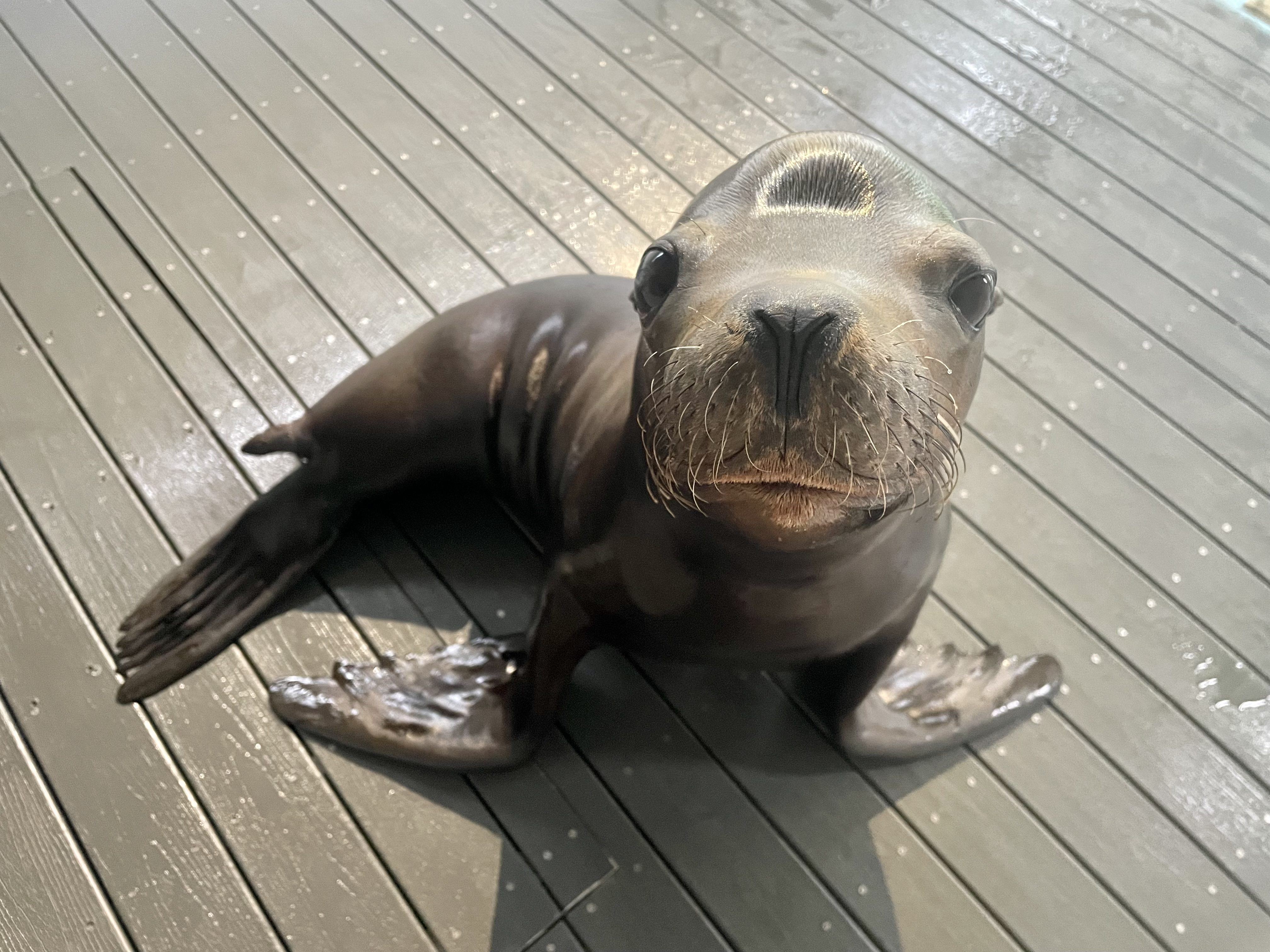
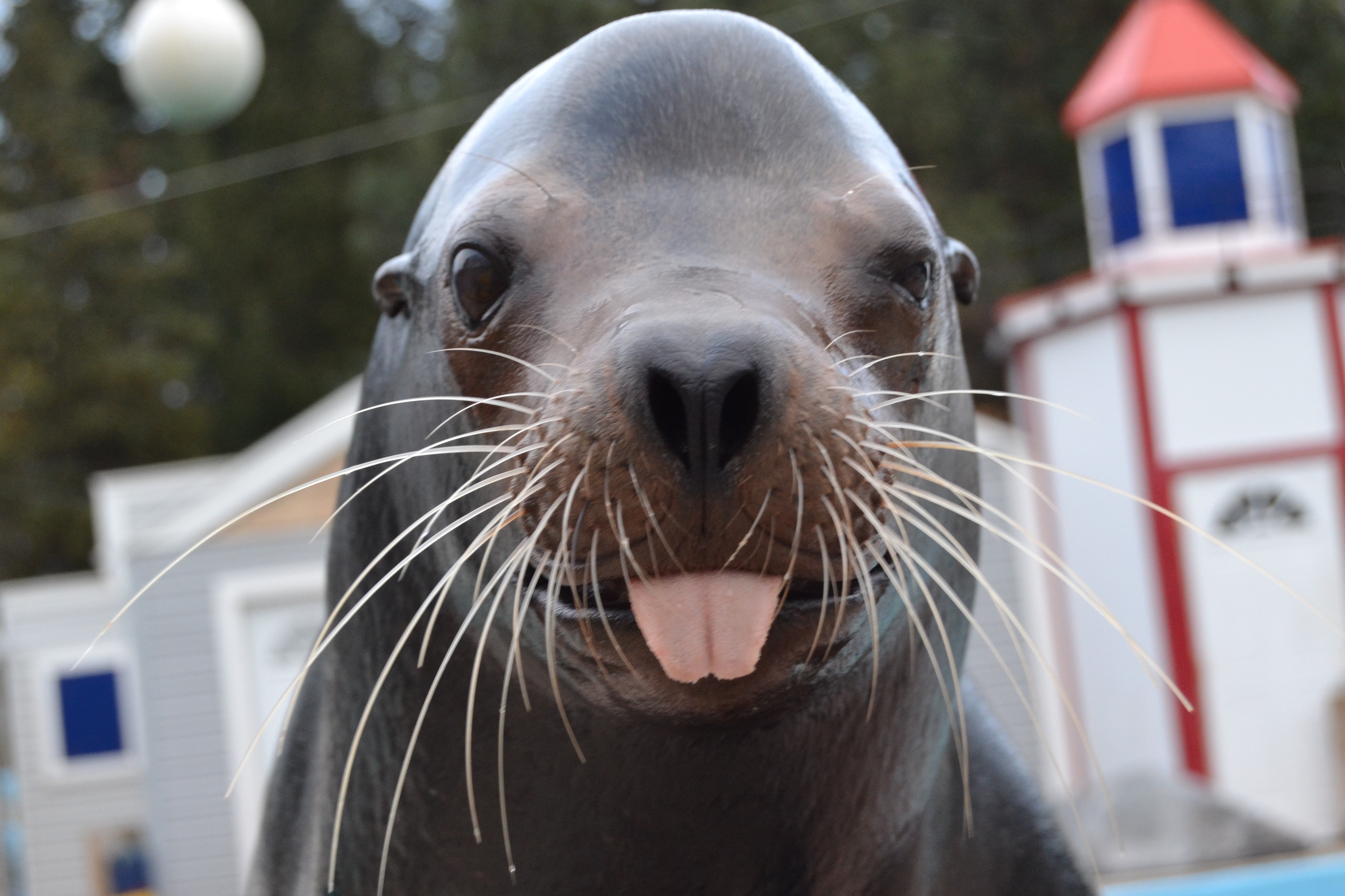
Meet Colby! Male California sea lion pup Born June 20, 2012 Son to Makaia Average weight is about 75lbs Born in the evening of June 20, 2012, Colby has been growing and learning quickly under the watchful eye of his mother. As a young pup, Colby spends his days playing and interacting with his trainers. Play behavior is very important for a young animal as it helps Colby to develop strength, coordination and build relationships. He can often be found playing with toys, chasing his flippered friends in the main pool and nuzzling up close with his trainers in hopes of a belly rub! Sea lion pups do not know how to swim when they are born. In the wild, these animals gain comfort in the water by splashing in the waves and playing in the shallows. At Ocean Connections, Colby first played in a kiddie pool while he learned to dive, hold his breath and blow bubbles in the water. Slowly we acclimated him to deeper depths and actually gave him swimming lessons in our holding pools before venturing out to our main pool that is 18 feet deep. Already weighing 75 pounds, Colby is a strong and healthy young sea lion. He enjoys exploring the main pool and meeting new friends who visit Ocean Connections. Click Here to follow Colby's growth and learning!
Pages
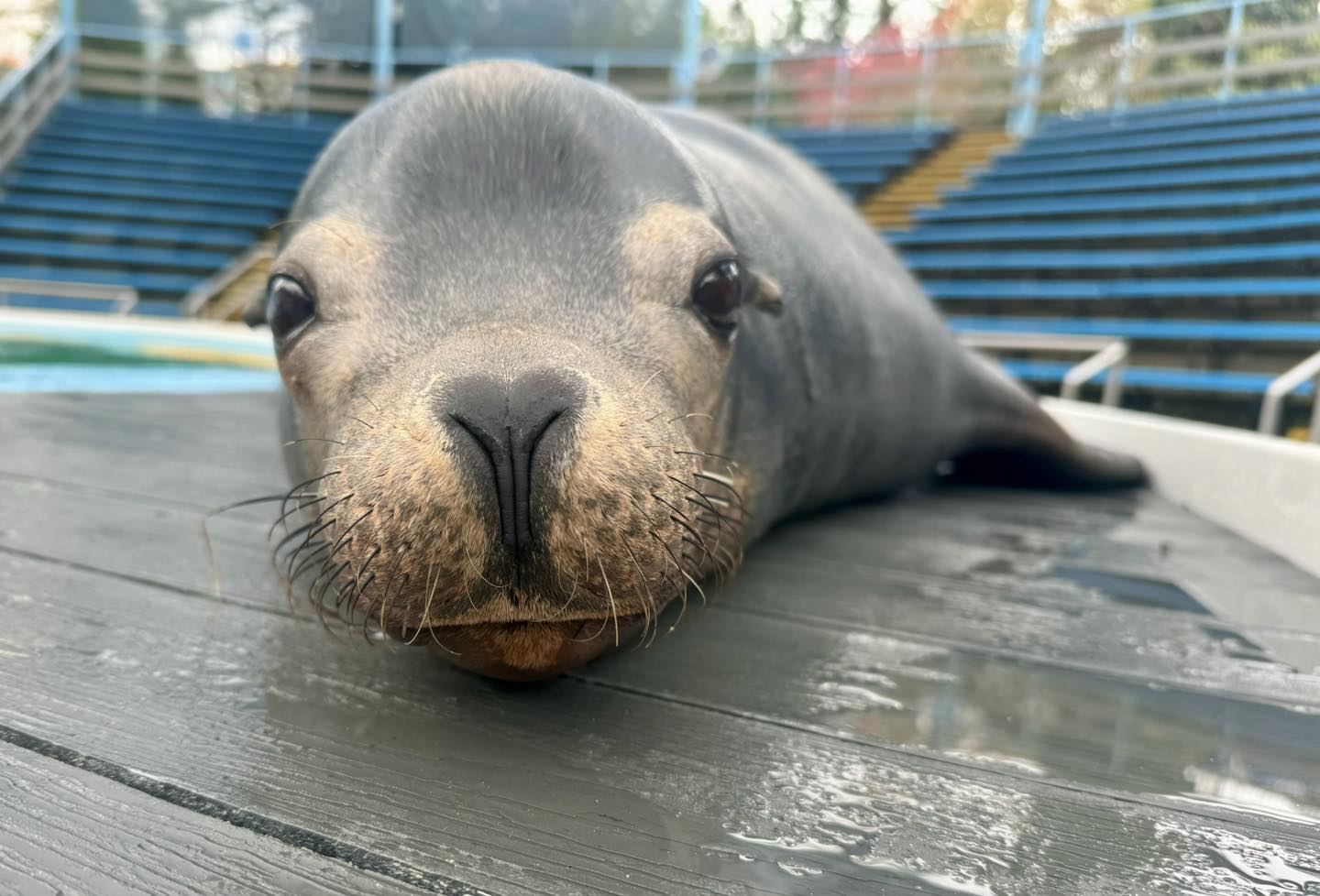
Ocean Connections is a breeding facility for California sea lions. The first pup ever born at Ocean Connections was Makaia in 1993 to her mother Sport. Sea lion pups are very playful and can often be seen surfing the waves, leaping and porpoising through the water. Pups typically weigh about 15 pounds at birth and nurse for 6-9 months. Until the pups know how to swim, mothers leave them on the shore while they return to the sea to feed. Pups have very individual calls, which allow their mothers to locate them amongst numerous other pups once she returns to the shore. Sea lion milk is high in fat content allowing pups to gain weight quickly. Pups naturally learn to swim within the first few weeks of life by playing with other juveniles along the beach. Raising these pups comes with a lot of responsibility, but of course, it's also a lot of fun! Building strong and trusting relationships with each pup from an early age is critical in our positive training process. Click here to meet the sea lion pups of Ocean Connections.
Pages
Did you know that harbor seals can be found in every ocean around the world? Ocean Connections has the privilege to be home to both Atlantic and Pacific harbor seals. These amazing animals provide us with an opportunity to educate the public about environmental conservation. Harbor seals spend about half of their time on land and the other half in the water. Harbor seals can swim up to 12 - 15 miles per hour, but they generally cruise at slower speeds. Fun Facts Seal pups are born in spring and summer, and enter the water almost immediately. Seals are capable of diving to depths of up to 656 feet. Seals typically breathe every 3 minutes but they are capable of staying under water for up to 30 minutes. Sexual maturity in seals happens at age 3-6 for females and 3-7 for males. Seals prefer to haul out on rocky cliffs as well as sandy beaches to rest and raise their pups. Click here to meet the seals of Ocean Connections.
Pages
All items purchased at OCEAN CONNECTIONS may be returned for a full refund within 30 days of the original delivery. Returned merchandise must be unopened to receive full credit. If the item is defective, please provide a written statement describing the damage and what action you would like to be taken (refund money or send another item). No returns will be accepted after 30 days. We will credit you in the same manner as your original payment within seven (7) days of receiving the returned item.
Pages
Interactive Programs and Gift Certificates special pricing for the holidays! 20% OFF our 2010 Program Prices or Program Gift Certificates (Aquatic Adventures, Sea lion Splash, Underwater Journey Camps) when purchased between November 26 - December 31, 2009. Give the gift they’ll certainly treasure!
Pages
2012 marked the largest summer ice losses in the Arctic since 2007. The amount of sea ice covering the Arctic Ocean in 2007 was 29%; this year the amount of sea ice decreased to 24%. Last November had the fifth highest global temperatures on record. What is causing these recording breaking events? The simple answer is climate change. There are many factors that influence climate change. A leading contributor is the greenhouse effect. It is important to understand that the greenhouse effect is an integral part to maintaining life on Earth. The greenhouse effect refers to infra-red light from the sun that enters the Earth’s atmosphere and helps to regulate temperatures. The current problem is that humans are adding large amounts of carbon dioxide (CO2) and other gases into the atmosphere, referred to as greenhouse gases, by doing things such as burning fossil fuels. These actions all contribute to your carbon footprint. The increase in greenhouses gases has many effects on our world including preventing heat from escaping, thus increasing the overall global temperature. Ocean acidification is another troublesome side effect of climate change. The ocean is absorbing 50% of the CO2 that has entered the atmosphere by the burning of fossil fuels. This increase in CO2 results in lower pH levels of the ocean and increased acidity. These changes have many affects on the marine ecosystem. Corals responsible for producing reefs are not able to produce their skeletons as quickly; reduced coral reefs mean reduced protection for marine organisms. The increased acidity in the ocean also makes it difficult for free-swimming algae and plankton to maintain their protective outer shell, which leads to decreases in their populations. Plankton and algae are a vital part of the marine ecosystem, and their decreased numbers would mean serious consequences for the marine food web. Many animals are affected by the events caused by climate change. Increased temperatures cause sea ice to melt at rapid rates, which impacts polar bears who rely on ice in order to capture their prey, to rest, and for breeding. With less and less ice, polar bears are finding it harder to survive. Rising sea levels threaten the beaches where endangered species of sea turtles, such as loggerheads and green turtles, go to lay their eggs. The endangered right whale is losing a key food source, a tiny crustacean, due to increased ocean temperatures. This lack of food makes it very difficult for females to carry a calf full term. Due to habitat destruction, decreased food supplies and changing weather patterns, many species of plants and animals are struggling to survive. But amidst this harsh reality, zoos and aquariums play a crucial role in educating the public about climate change and simple steps you can take in your own homes to help protect our planet and the beautiful animals that share our world. Zoos and aquariums provide a place for you to go and form a connection with exotic animals that you may otherwise never see in person. Take the opportunity to visit a polar bear and many other animals at your local zoo or aquarium and learn what you can do to help these animals in the wild! To stay up to date on the latest climate change issues, visit the National Oceanic and Atmospheric Administration’s webpage! Sources NOAA Climate Change - http://www.climate.gov/#climateWatch EPA Climate Change - http://www.epa.gov/climatechange/
Pages
Application Submission Please submit the following documents to be considered for a volunteer position. Applicants considered for volunteer positions will be contacted to begin the interview process. This will include one - two interviews with the Intern/Volunteer Coordinator. Volunteer Application Resume (include two references) Two Professional Letters of Recommendation Must be sent directly to Ocean Connections or submitted in a signed, sealed envelope with your other application materials. Please send all application materials to: Ocean Connections Intern and Volunteer Coordinator 10001 W. Bluemound Rd Milwaukee, WI 53226 For questions or more information please contact us here.
Pages
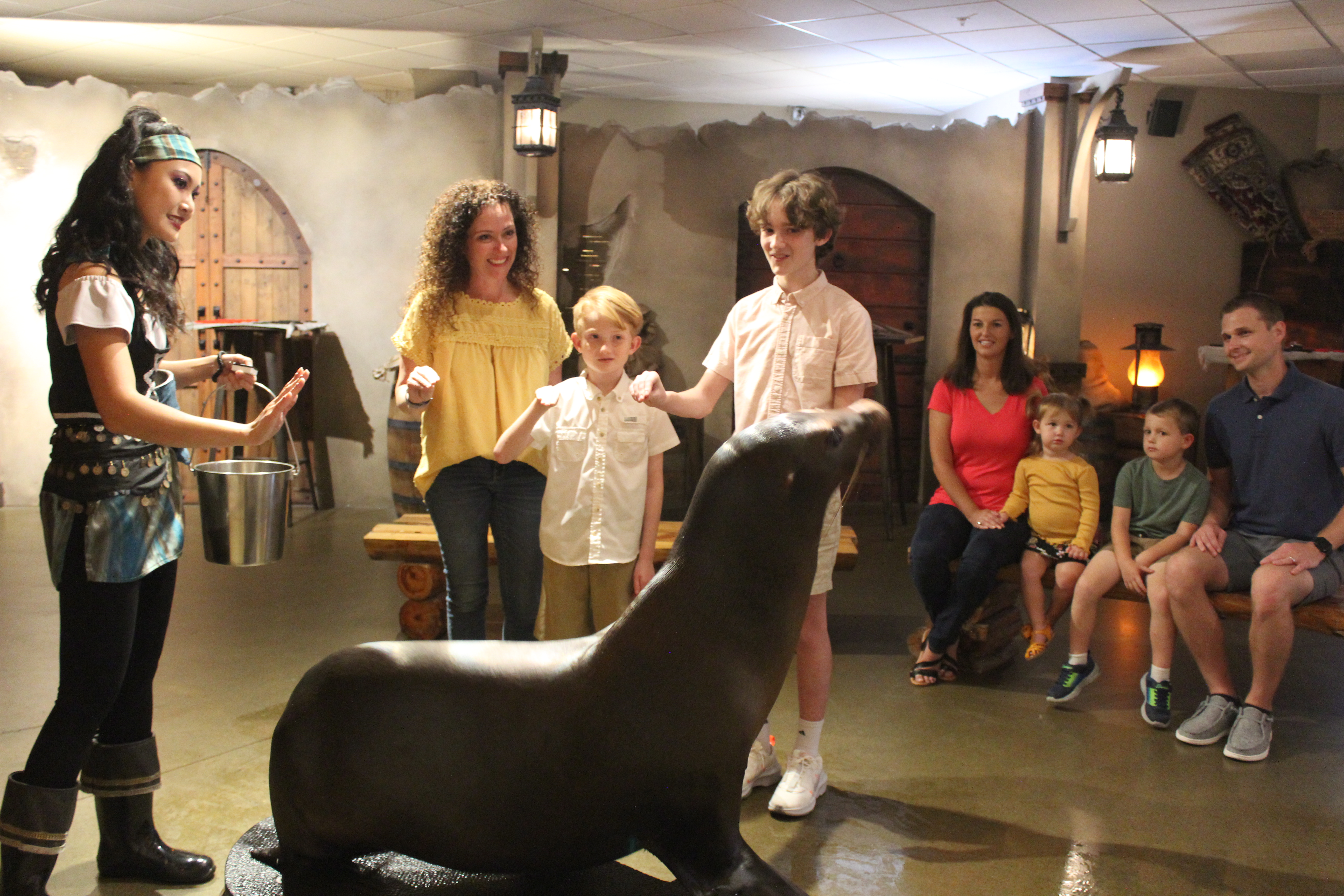
Ocean Connections offers a variety of opportunities for children and families alike to discover the amazing world of seals and sea lions. We provide a wide array of interactive programs, allowing you to connect with our animals personally. We hope that you have the opportunity to join us and experience the wonder of working with marine mammals. The opportunity to touch, feed and interact with our sea lion family awaits you! Check out our new Shop!
Pages
Ocean Connections Crossword Puzzle Oceans of Word Search Think you got them right? |
