





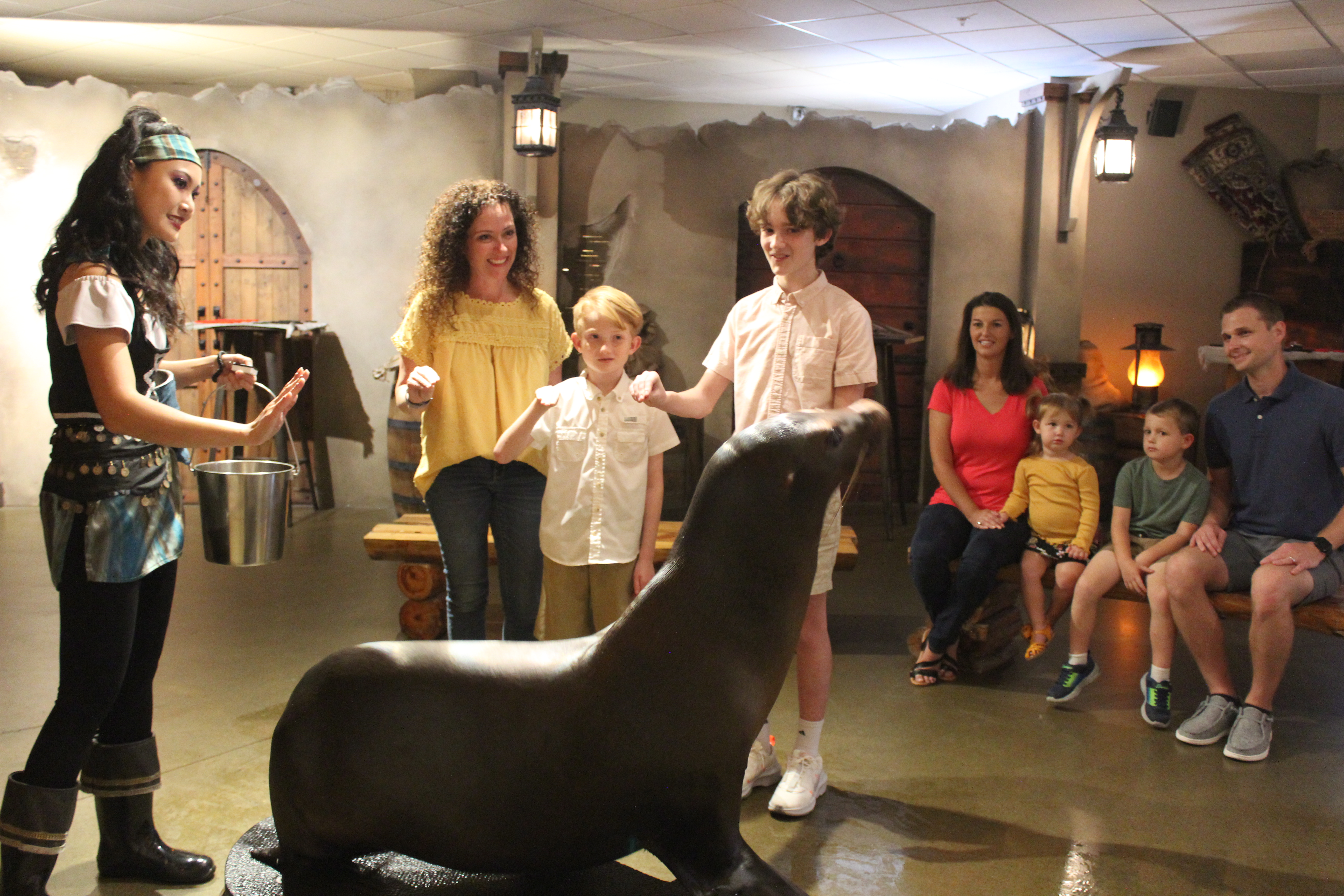
 Animal Encounter
 Our Locations
 Family Fun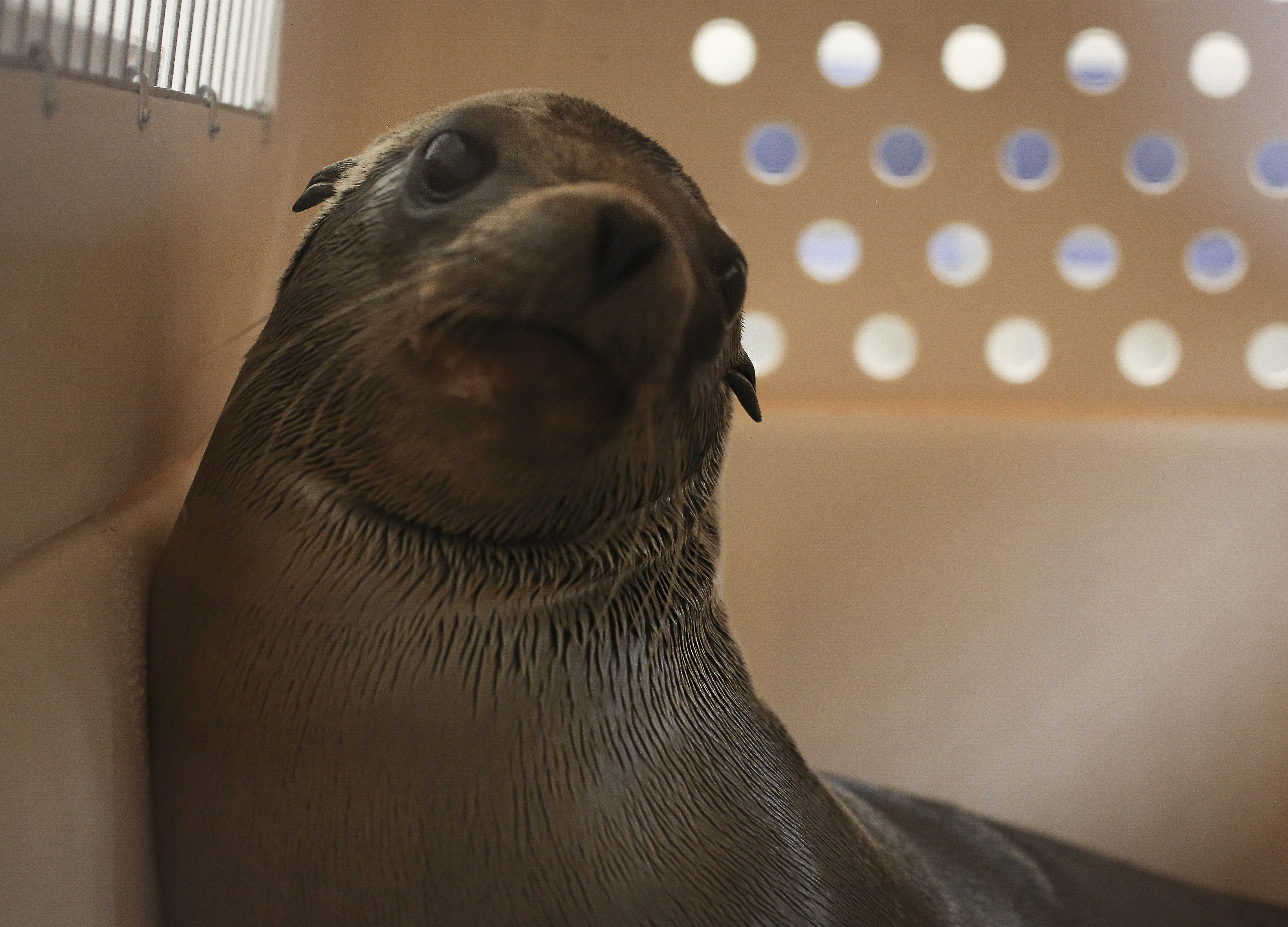
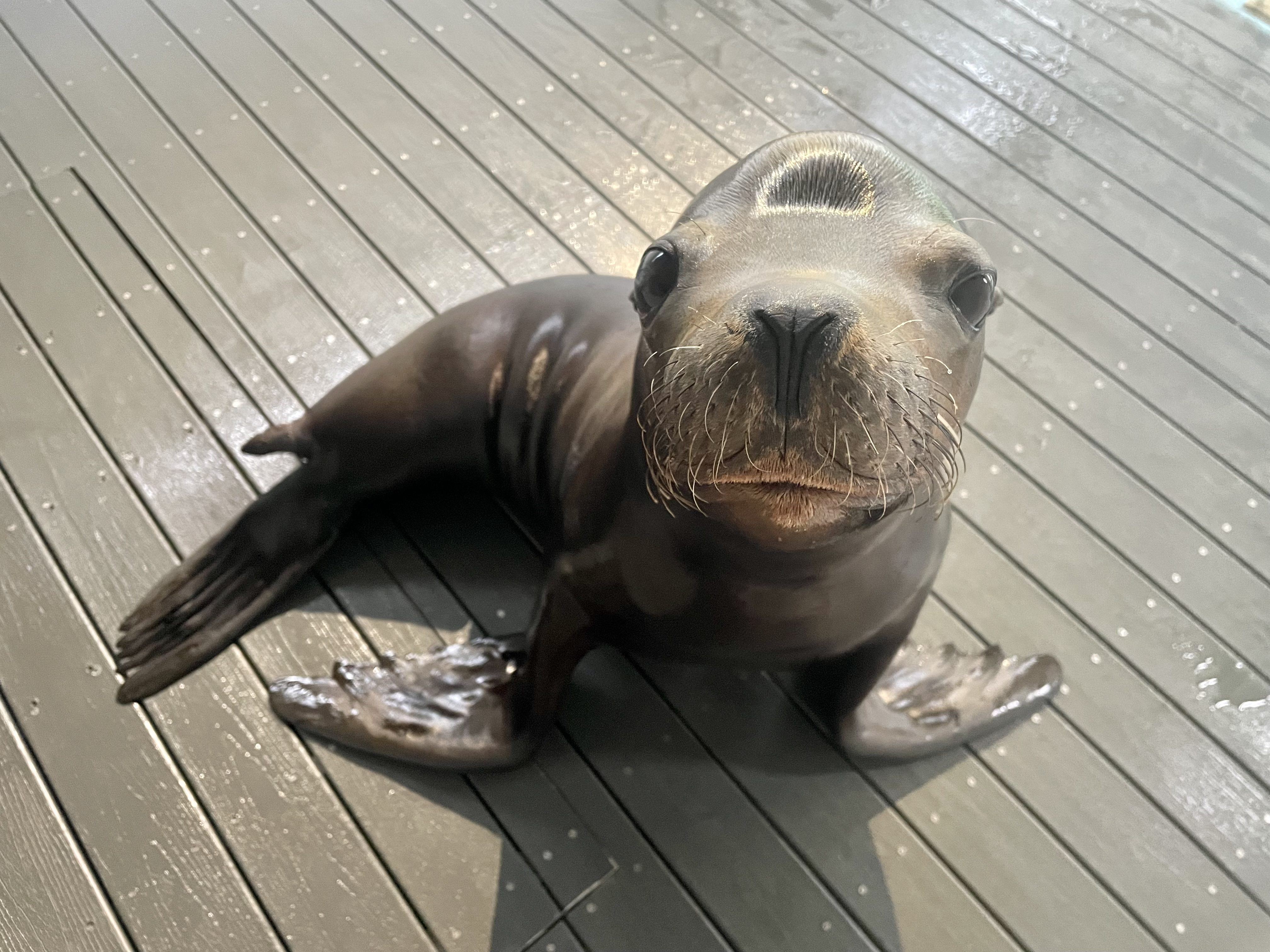
 Meet Ripley!
Search
Search results for " 대부업대출﹛hangaram-loan>COM﹜ 02 1566 5721 ✇ 아파트대출금리∝ 개인회생연체ま 대부업대출➞ 생계자금대출❡ 대부업대출❏ 개인자영업자대출づ"
348 Results Found
348 Results Found
News Item
One year ago I sat in a conference meeting room and listened intently as Rita Vondra of the Chicago Zoological Society presented on a research project currently underway and needing assisted funding in Punta San Juan. The project centered around the need to evaluate endangered fur seals and sea lions which reside in an remote preserve located in Punta San Juan. The health of this Peruvian population is essentially unknown. Biologists are attempting to study the population in an effort to identify and evaluate current threats affecting the populations. Located approximately 250 miles south of Lima, near San Juan de Marcona, the Punta San Juan Marine Protected Area supports key populations of many endangered and threatened species. This reserve is home to nearly half of the endangered Humboldt penguins in Peru. It contains several hundred thousand sea birds as a key nesting area. The reserve also has key rookeries for the South American sea lion and Peruvian fur seal, both of which have seen severe declines in Peruvian population sizes. Biologists goals focus on the ability to evaluate the population health of the wildlife and to develop cohesive conservation strategies. Through assessments we hope to determine indicators as to disease and toxicant exposure, reproductive success, population stability, population genetics and overall population resilience to external threats. Information gathering is crucial. The more information we are able to learn from these animals, the greater our chances are of protecting these species. As I listened to the presentation a year ago, I felt compelled to become involved in research that could truly make a difference in protecting wild populations of seals and sea lions that are currently endangered. These animals live in a remote part of the world, in what should be a healthy sustainable environment. Yet scientists have seen dramatic declines in population numbers with questions revolving around over fishing, environmental contamination, toxicant exposure and the health of our oceans. At Oceans of Fun we have dedicated our lives to marine mammal care and conservation through public education. Our animals are ambassadors for those in the wild, teaching our guests about marine mammals, their environment and conservation needs. Although we wish that our oceans provided a healthy environment for wildlife, we are keenly aware of the threats which numerous species now face due to mans destruction and lack of protection. And so the opportunity to make in difference knocked upon our door. After months of preparation the time has finally arrived. Today is packing day. Packing for this trip is a bit complicated and involves not only clothing but also food, sleeping bags, wet suits and daily necessities. Regardless of the size of the suitcase, this is a challenge! Tomorrow the plane heads south. First to Atlanta Georgia where I will meet up with my colleagues from the Chicago Zoological Society and St. Louis Zoo , then off to Lima. Even with all my research and reading, the unknown of this region is upon me and certain to be exciting and full of surprises!
News Item
The last two days have been busy and full of wildlife experiences. Everywhere we look we are surrounded by incredible beautiful animals and scenery. The “flatland” is home to over 500,000 guanay cormorants and Peruvian pelicans which travel out to sea each morning to feed and return in the late afternoon. The cliffs and surrounding caves are home to curious penguins, many of whom currently have chicks. Lizards camouflage into the guano and bravely play with our bright colored equipment. Vampire bats hang deep in the caves, only coming out in the evenings, and pinnipeds are everywhere! The beaches are chosen by colonies of either fur seals or sea lions. Nurseries are established for pupping and large males compete continuously over territories. National Geographic could have months of material here! The majority of the animals we are watching appear to be in good health. We have concentrated on the South American sea lions as our priority for the first couple of days. Although they are the largest animals, they also spook very easily. We scout beaches and have to approach the colony silently in order to be successful. If the sea lions catch sight or scent of us the entire colony may run to the water and delay our start for hours! Our goal is to dart a sleeping male high up on the beach with a tranquilizer. If we are silent and the colony does not startle, the darted male will wake briefly as the dart hits and then lie back down and doze back off. Once the drugs take effect and the animal is anesthetized we can proceed with his health assessment. Each animal we process is monitored closely while blood is collected and samples are obtained on their eyes, mouth, nasal cavity and genitals to evaluate overall health and exposure to diseases. Whiskers, fur, and other samples are obtained for testing exposure to environmental toxicants, evaluating feeding ecology, and many other projects. The animals are also all measured and weighed to document size. ID tags are attached to animals to track them over time. Throughout the entire process the animal’s temperature, heart rate, and respirations are monitored closely. The goal is for the team to work efficiently and return the animal to his environment within approximately one hour. Once the sea lions leave the beach for the water, it’s time to begin working with the fur seals. These animals are brave and can be lured high onto the beach for darting by approaching their territories. Additionally there is a team conducting health assessments on the Humboldt penguins. Overall during the past three days we have obtained, evaluated and released 7 sea lions, 4 fur seals, and 11 penguins successfully! We are certainly off to a great start! Although the hours are long, the commitment each team member has to ensuring that animals are safe and healthy is inspiring. By collecting data on these populations we not only assessing the health of the population but also obtaining information which will assist in assessing the environmental health of the entire ecosystem. This information is crucial to developing effective conservation actions.
News Item
Nov 8, 2012 The team arrives! Over the last day, a team of 12 of us gathered together in Lima Peru and began preparations to head South to Punta San Juan. Getting a late start we began our journey south mid day. Traveling with 2 trucks and one car loaded with luggage, veterinary supplies and food we secured our possessions and headed south. For those of us new to the country, although this is a long car ride (we currently are on our 7th hour and still 2 hours from arrival), the trip has been amazing! The drive has allowed us the opportunity to make new friends as well as see a country far different that where we came from! Lima is very diverse both culturally as well as economically. the city is huge and for two hours we drove within its' limits following the coastline south. As we cleared the city the concept of traveling on a 2 lane road through the middle of a desert was fascinating. Often times we caught glimpse of the sea on our shoulders but for hours we traveled through magnificent sand hills the size of large foothills in the states. Occasionally we would travel through an oasis, a valley of plush green where the water coming from the Andies Mountains traveled to meet the Pacific Ocean providing plants and greenery in an otherwise vast sandy landscape. Some of the towns we traveled through illustrated the hardships this country endures. However the scenery was spectacular and inspired much conversation as to native animals as well as environmental concerns and conservation projects. Being so close to the equator the time of sunset is consistent and by 7:30 pm the sky was black however the number of stars lighting the sky was breath taking! Just as we arrived in the town of Marcona, the town encumbered a black out which created added fun in exploring our field house. With vision limited, we were met by the sounds of surf, sea lions, birds which would have to wait until morning. Nov 9, 2012 Walking out onto balcony this morning we were met by a sight far more beautiful than could have been expected. Our backyard is the ocean and we are surrounded by sharp jagged cliffs and a rocky beach area inhabited by South American sea lions that were playing in the surf, sunning and competing for territories. Just to the left of the sea lions we were greeted by a flock of penguins marching across the rocky cliff. Breath taking is an understatement. While the veterinarians readied supplies, we were treated to a tour of the reserve. Tracking over sand dunes, through an empty cormorant nesting site was amazing enough but nothing prepared us for the views from the blinds at the top of the cliffs. Looking down we watched in awe as hundreds of fur seals, sea lions and penguins unaware of our presence, went about life. The beauty was beyond me and I could have stayed for hours! Juveniles playing, adults establishing territories, females nursing pups and youngsters engaged in a game of tag surrounded us……almost sensory overload. Everywhere we looked additional species came into view - Peruvian Boobies with chicks in nests, Red eyed Cormorants heading out to feed, Humboldt penguins curious of anything and everything around them. The realization of where we were and what we were here for was overwhelming! Health assessments began in the afternoon. This was a learning day for the newbie’s but nothing about the entire process was a surprise. The same precautions were made, safety for everyone was a priority and responsibilities were distributed among the team. The goal today was male South American sea lions. We were fortunate and three adult males were darted, sedated and full health assessments preformed. Ages were presumed between 5-7 years with the largest weighing 520 lbs. Each animal received a complete workup with weights, measurements, blood samples, cultures, and tagging completed prior to our reversing anesthesia and releasing them back to the wild. Interestingly enough two of our animals looked to be in prime physical health while the last one appeared to be malnourished and possibly unhealthy. While we were concerned over this animal’s health, he reinforced our purpose for being here completely. There is much to learn here and it was rewarding to see the team working so smoothly on our first day. Dusk arrived quickly and with the night in front of us to learn about processing samples we headed in. With our first day exceeding expectations we rolled in to a busy night with preparations beginning already for a full day tomorrow!
News Item
I am writing this final entry on my way back to the United States. With the magnificent sights and sounds of Punta San Juan still fresh in my mind, I continue to be inspired by the team of people that came together over these past 12 days and thankful for their dedication and commitment to this project. Our trip was extremely successful with over 100 animal health assessments being conducted! With each animal being tagged we are hopeful that the students and staff at Punta San Juan will continue to bring in updates and data from these populations. As you can see from the photos, the environment in Punta San Juan is breath taking. Waking up to the sounds of pups calling mothers, waves crashing upon the shore and seabirds taking flight was simply amazing! Even in an area so remote from the rest of the world, it was disappointing to see animals suffering from pollution, toxins and entanglement. Our resources are limited and need to be appreciated and protected. Our goal is not to walk in for a week but to make a difference through teaching about these animals, our world and inspire changes in human behavior that will truly make a difference in saving our oceans. Oceans of Fun has committed to this project for the next 3-5 years and we hope that all of you will do your part as well! For tips on how you can make a difference both globally and in your own back yard check out our Conservation Tab at www.oceansoffun.org Together we can all make a difference!
News Item
We have moved to the beaches with nurseries these last 2 days. The fur seals are giving birth right now and our focus is on collecting newborns 1-2 days old along with moms for health assessments. Fur seal moms tend to remain in established colonies on a beach and are very protective of their pups. We are able to accomplish our task by grabbing the young pups. When the mother instinctively comes up the beach after her pup we are able to net her and complete physicals on both animals simultaneously. In addition to the regime of standard tests on the females we are collecting milk samples for analysis. Pups are being weighed, tagged, measured and micro chipped. Each mother/ pup has a very unique vocalization which is utilized to locate each other. Mothers typically only nurse and care for their own pups so it is essential that we are able to reunite the pair. Over the past 2 and half days we have successfully evaluated and reunited 14 mother/ pup pairs. Each has been very individual and it has been fascinating to observe the mother/pup bonds in the wild. The fur seal population as a whole is very unique. The males typically weigh about 300 lbs but have the ability to impress us with their large full mane of fluff. These males are very territorial and defensively stand guard over their female's colonies and beach. We have to be extremely aware of the male in each territory as he will guard and protect innately. The pups are a marvel to work with. Each is very individual with their own personality quickly developing. We have had feisty pups, cuddle bugs, ferocious and gentle pups. Our team works hard to ensure that the mothers and pups reunite following our procedures and observations are performed on all pairs to ensure that bonding, nurturing and nursing continue. Instinct is amazing. Yesterday we had a pair separate for over 24 hours and the entire team nervously monitored the site hopeful that the mother would locate her pup which had moved out to a large rock outside of the territory they came from. With hundreds of pups on a beach it is incredible that two animals are able to locate and recognize each other through sound and scent. As afternoon hit today, our team was over joyed to learn that "Eli" and his mother finally had reconnected! The success was celebrated by our entire team! Speaking of teams, a definite highlight to this trip is in the incredible people we have the opportunity to work along side. Our team consists of veterinarians, researchers and animal specialists from 7 North American and 2 South American facilities. Talk about collective knowledge! Each person brings their own expertise and experience and it has been an absolute pleasure getting to know and working alongside such talented individuals. In addition to the pinniped research being conducted this week we also integrated a small team to continue with the Humboldt Penguin Health Assessment project that has been ongoing for approximately 5 years now. Humboldt penguins are found along the coast of Peru and northern Chili in a temperate climate. It is so fascinating to see the penguins scurrying across the desert! The team sampled 34 penguins, only 5 being previously marked animals. There are very few birds nesting right now so it took some skill to herd them into caves so that we could handle them. Marco, a field biologist with the reserve since 1997, is amazing to watch handle the birds and a true expert in the field. The sampling process is quite similar between penguins and pinnipeds with blood samples, swab sampling of the eye, trachea and cloaca and body measurements being recorded. The birds also get a micro chip and toe tag for identification. The restraint process with penguins is unique in that they are not sedated so the entire procedure must be done very carefully and quickly with experienced handlers to prevent the bird from being stressed. A major highlight was seeing all the chicks in the nest and the younger fledglings trying to find their way up and down the desert cliffs! We have one more full day in Punta San Juan prior to heading back to Lima and we plan on making it a full one I believe each of us has learned and contributed a great deal to this project. The work is extremely worthwhile and gratifying. We are learning with each animal and continue to be fascinated by the species diversity and animal behavior around us. The common denominator for each of us is in attempting to learn about these populations and the ability to make a difference in their future survival of these species.
News Item
3 1/2 Months Old Ever since entering our vast 18-foot deep pool, Talise’s days have been filled with adventure! Each day Talise’s trainers let her into the large pool for several hours, always under the watchful eye of her mother Sonoma and the staff at Oceans of Fun. It has quickly become apparent that Talise is a very brave and curious pup. She is always finding new places to explore and investigate. From under our wet dock to walking down the ramps to the concrete, there is nothing this feisty pup cannot conquer! Not only is Talise learning more about her environment but her informal training is well underway! Talise is typically out in the main pool during shows and interactive programs. Though she may not be participating in shows or programs, she is being exposed to the many different sights and sounds that before long will be a huge part of her life. And no matter what is going on, Talise is never far from the action as she always seems to be taking everything in preparing for her day in the spotlight!
News Item
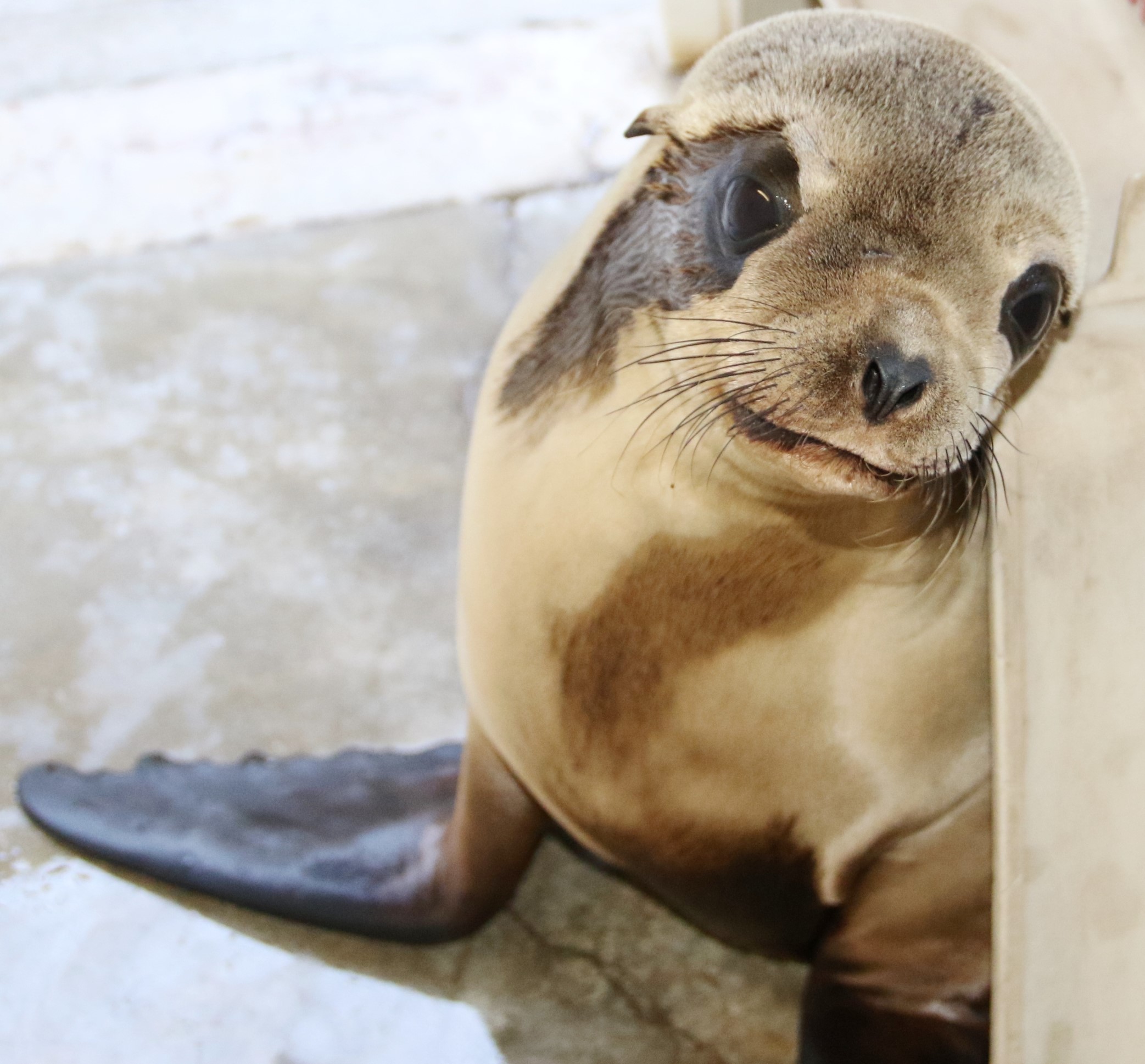
Welcome Nalu! Oceans of Fun is excited to announce the arrival of our newest family member, Nalu! Nalu, now a 5-month old male California Sea Lion, was found alone and stranded on the pacific coast in Santa Barbara, California on September 7, 2013 at approximately 3 months of age. He was taken to the Santa Barbara Marine Mammal Stranding center where he received immediate care and several health assessments. Upon arrival, Nalu was determined to be dehydrated and malnourished. The cause of his stranding was determined to most likely be due to separation from his mother. Due to his age, Nalu was quickly deemed non-releasable by the National Marine Fisheries since he was still of nursing age and would need his mother’s milk to survive; sea lion pups do not begin eating fish until they are between 6 and 12 months of age. As he is still of nursing age, Nalu requires 24 hour care and bottle feedings every 4 hours. Nalu, meaning “ocean wave”, is one of an estimated 1,000 sea lion pups who were stranded on beaches this year alone. This high number of strandings resulted in the National Marine Fisheries declaring an Unusual Mortality Event (UME) as this alarming number is well above those typically seen in the past. Overwhelmed by the number of pup strandings, stranding centers have done their best to rehabilitate and release the pups back to the wild; however, when an animal like Nalu is found and cannot be released, a placement for them is found. This is where Oceans of Fun comes in! Oceans of Fun was contacted by the National Marine Fisheries Department and accepted their request to provide a permanent home to the orphaned sea lion pup. Nalu arrived via FedEx plane on November 7th. Oceans of Fun staff members traveled a week before his arrival to meet and get to know our new family member. Spending quality time with Nalu early on helps to establish a trusting relationship between Nalu and his trainers. It is this trusting relationship that builds the foundation for our positive reinforcement training techniques. Staff accompanied Nalu the whole trip making sure that he was safe and comfortable. Throughout his whole journey from California to Wisconsin, Nalu found comfort in his favorite friend, his stuffed leopard. This stuffed leopard has become Nalu’s security blanket, providing something soft, warm and cuddly to curl up next to in the absence of a mother while his crate has become his safe place. These familiar objects will help Nalu to transition to his new home while he continues to develop trust with his trainers. Upon his arrival on Thursday night, Nalu quickly took to eating his first bottle in his new home. This is a big milestone, as it shows that he felt safe enough to eat! Currently, Nalu is being housed in a quarantined area until he receives final veterinary approval to join the rest of his new flippered friends. He will not be viewable to the public until the spring, but we will be sure to post updates on our website and Facebook page as Nalu becomes acclimated to his new home. Life in the wild is not always easy as there are many struggles that animals face; overfishing the ocean, predation, pollution and habitat encroachment are challenges faced due to human involvement. Oceans of Fun is thrilled to be able to help rescue a sea lion pup that would otherwise not survived in the wild. Here, Nalu will become an ambassador for his species by helping to educate our guests about marine mammals, their environment and conservation needs.
News Item
Our data collection is well underway! The project goal is to obtain data on and tag South American fur seal pups successively over multiple months to obtain growth and nursing data. With most births occurring during the months of November - December in Peru, collection dates were set for late December 2013 , February and March of 2014. Pups were collected, measured, weighed and tagged (if not already done so) for tracking. Graduate students participating in the program then monitored the pups daily recording nursing behavior and maternal care. Although initially the mothers remain on land nursing the pups, at approximately 7 - 10 days of pup age the females naturally return to sea to forge. This foraging time gradually increases as pups age and eventually join their mothers at sea. During the first few months however, pups are left behind learning survival skills, Our project is studying the amount of time mothers remain at sea and then successively return to nurse and nurture pups. This duration of time is of key importance as we study growth rates, foraging distance for females (an indicator of prey availability), and survivability in the wild. As these animals are naturally inclined to feed opportunistically and capable of fasting for extended periods of time, we hope to gain valuable information relating to both population sustainability in the wild and within zoological collections. Fasting animals are naturally a concern for us and obtaining information to compare behavior exhibited in the wild to behavior commonly viewed within our collections will assist us in animal welfare decisions. To date this season 306 pups have been collected to obtain growth data and tagged for tracking. 120 of these pups have been evaluated multiple times. Follow up data also includes ensuring that the mother - pup bond is not effected negatively. All pups are released following their data collection and monitoring occurs which has proven that mothers and pups reunite naturally. This is the third collection of the season with data collected from 108 pups so far. Collection has gone smoothly with a team of 18 researchers, behavioralist and veterinarians all assisting in data collection. From sun up until sun down today, our team worked diligently on the beach collecting data and monitoring behavior following pup release. Pups get your attention quickly! They are squirmy, very fast and each has their own personality! Needless to say this is a week well spent but required a great deal of teamwork from a collaboration of individuals and organizations. The information we have gained however will hopefully benefit animals both in the wild and within our zoological communities!
News Item
In 2012 Oceans of Fun joined in a collaboration with the Chicago Zoological Society, Saint Louis Zoo, Kansas City Zoo and the Punta San Juan Project of the Center for Environmental Sustainability at Cayetano Heredia University to collect baseline data assisting in evaluating the South American sea lion and Peruvian fur seal populations in Punta San Juan. Collecting baseline data provides us the opportunity to study disease, toxicant exposure, reproductive success, population stability, population genetics and overall population resilience to external threats the animals are facing in the wild today. Following El Nino in 1997/1998 the Peruvian fur seal population met a severe decline. Currently these population numbers within the protection of the National Reserve are rebounding providing researchers the ability to study the effects of environmental influences. As a top predator, seals and sea lions provide indicators as to environmental conditions and the overall health of our oceans. This year we are expanding our research project to study pup growth and development with the goal of correlating and comparing data obtained in both wild and captive animals. Life in the wild is increasingly challenging for many animals due to environmental changes and destruction, habitat encroachment, over fishing and pollution. Through data collection and analysis we are able to gain knowledge about animal needs, behavior, and survival. Punta San Juan in a marine protected area allowing for enhanced species and ecosystem protection. Being a key rookery for the South American sea lion and endangered Peruvian fur seal, this area offers the ability to study diverse populations of animals year round providing valuable information on species sustainability . Oceans of Fun is honored and excited to play a key role in the development of research projects which we hope will provide us information on pup development, behavior and survival both with wild and captive populations. This week will be filled with animals, data collection and valuable experiences. Preparation for this trip begins well in advance planning-wise. We are living in a field house with limited water and electricity. Temperatures are variable throughout the day and packing includes everything from shorts/tanks to coat/warm pants. Packing must include bedding, headlamps, hiking boots, sunscreen, candles, bug spray, etc, etc..... The journey is lengthy, starting with an 8 hour flight into Lima, Peru. Upon arrival, our team unites and field supplies are purchased. Part two of our travel then occurs as this year we took an elite overnight bus, Excluciva (Civa) from Lima to Marcona where we were then met and transferred to the Reserve. Arriving at 6 AM today, the travel was well worth the investment in time. Greeted by the calls of fur seal pups playing on the beach we couldn’t help but pause and smile at the natural beauty before us. Our bunkered looks over the N-0 and N-1 beaches, home to between 400-500 pinnipeds this year, including over 100 pups which are currently playing in tide pools along the shoreline. Today we get to enjoy the beauty of this land as we purchase our final supplies, prepare for the rest of our teams arrival, develop our plans and final parameters for data collection which will begin with animal observations. We are ready to go!
News Item
Let the Good Times Roll! The adventures of Talise, Nalu and Colby never seem to stop! All three of our playful youngsters are experiencing new things every day! Talise and Nalu are growing in leaps and bounds as they are eating a consistent diet of yummy fish comprised of capelin and herring. Training is also a huge part of the pups’ daily routine. Talise and Nalu are continuing to build a solid foundation for their training, including gating, which is taking turns. It is essential for each animal to get one-on-one time with each trainer to be successful with training, so in order to make this possible, we work daily to teach our animals to take turns. Colby is progressing beautifully with his training and he continues to learn new behaviors daily, such as his ball touch! Talise and Nalu have officially made their big debut to our main pool, and they are loving every second of it! As Talise had been in our main pool last fall, she had no hesitation jumping right back in to the vast 18-foot deep pool! Nalu took a moment to take in his new surroundings, but he quickly followed Talise and Colby into the pool to engage in one of their favorite games of tag! Since entering our main pool, the pups have been exposed to the sights and sounds of our daily shows and interactive programs. This is all part of a process call desensitization, which helps our animals to get used to the many different things they may experience on a daily basis. Colby, Talise and Nalu will continue to be exposed to many new things each and every day. Be sure to stop by this summer to see Colby, Talise and Nalu as they continue to learn new things!
News Item
Spring has arrived early at Oceans of Fun! On March 6, 2015 Sonoma welcomed into the world her second healthy pup! Weighing in at approximately 18 pounds at birth, this beautiful male pup is thriving under his mother’s care. This pup is the result of a special breeding collaboration between Oceans of Fun and the Chicago Zoological Society. As some may recall, with Sonoma’s first pup, Talise born in April 2013, not everything came naturally to Sonoma. It was with the help of our dedicated staff that we were able to help establish Sonoma’s nurturing skills as a mother. And so far, Sonoma is demonstrating that our efforts paid off! Sonoma is successfully nursing, nuzzling and calling to her pup just like a seasoned mother should! Sonoma is also very receptive to working with our trainers during training sessions and developing a trust to allow us to be near her pup. This is crucial, as it will allow us to closely monitor the pup’s health as he continues to grower stronger every day! Stay tuned for more updates on this adorable pup and be sure to visit us this summer to see him and our other three youngsters Colby, Talise and Nalu!
News Item
On May 5th, 97 affiliates joined us as Oceans of Fun hosted the Midwest IMATA regional conference. The day was filled with the formal presentations, animal training demonstrations, discussion time, animal interaction and mentorship as students, zookeepers and marine mammal trainers representing 18 facilities gathered together at the Milwaukee County Zoo for an inspiring day of collaborative sharing. In an effort to assist the marine animal stranding centers off of the California coastline who have been working to save thousands of sea lion pups which have stranded this year due to starvation, Oceans of Fun and the Milwaukee Zoo raffled off sea lion interaction encounters and Giraffe Feeds throughout the day. We are proud to say that the IMATA attendees raised over $650 which will be provided to support this overwhelming conservation crisis. To learn more about the California sea lion pup unusual mortality event and how YOU can make a difference visit: http://www.oceansoffun.org/california_sea_lion_ume To learn more about IMATA visit: IMATA.org
News Item
Oceans of Fun is excited to announce that we are expecting a second California sea lion pup this year! Veterinarians at the Milwaukee County Zoo have confirmed and are continuing to monitor through ultrasound the development of Geneva first pup! Birth is a miracle with many uncontrollable variables for both mother and pup however our team is optimistic and busy preparing Geneva for success through training. Based on the pup’s size and heart rate, we plan to see our pinniped family grow early this June. Animal care is our highest priority and it’s important for our veterinary staff to monitor Geneva’s pregnancy. Our animals and trainers share a very trusting relationship. This allowed us to train Geneva to cooperate in a voluntary ultrasound. By training voluntary medical behaviors, such as ultrasounds, we can ensure veterinary visits are comfortable and positive experiences for our expectant mother. A sea lion’s gestation, or pregnancy, will last 12 months, including a 2-3month period of embryonic diapause. This means the fertilized egg lies dormant for the first few months before the egg implants. Once implantation occurs there is an additional 9 months of fetal growth.. This delay ensures that pups are born at the same time each year when conditions are ideal for mother and pup. We can expect our new pup to weigh 13-17 pounds at birth, but they will grow quickly! Our pup will grow big and strong while nursing from Geneva for the first 6-12 months of their life. An adult female will weigh around 200 pounds while males can reach weights of 600-900 pounds. Oceans of Fun is a dedicated breeding facility and we are currently home to three California sea lion pups. Two month old Zeus and two year olds Talise and Nalu cannot wait to share their pool with a new friend!
News Item
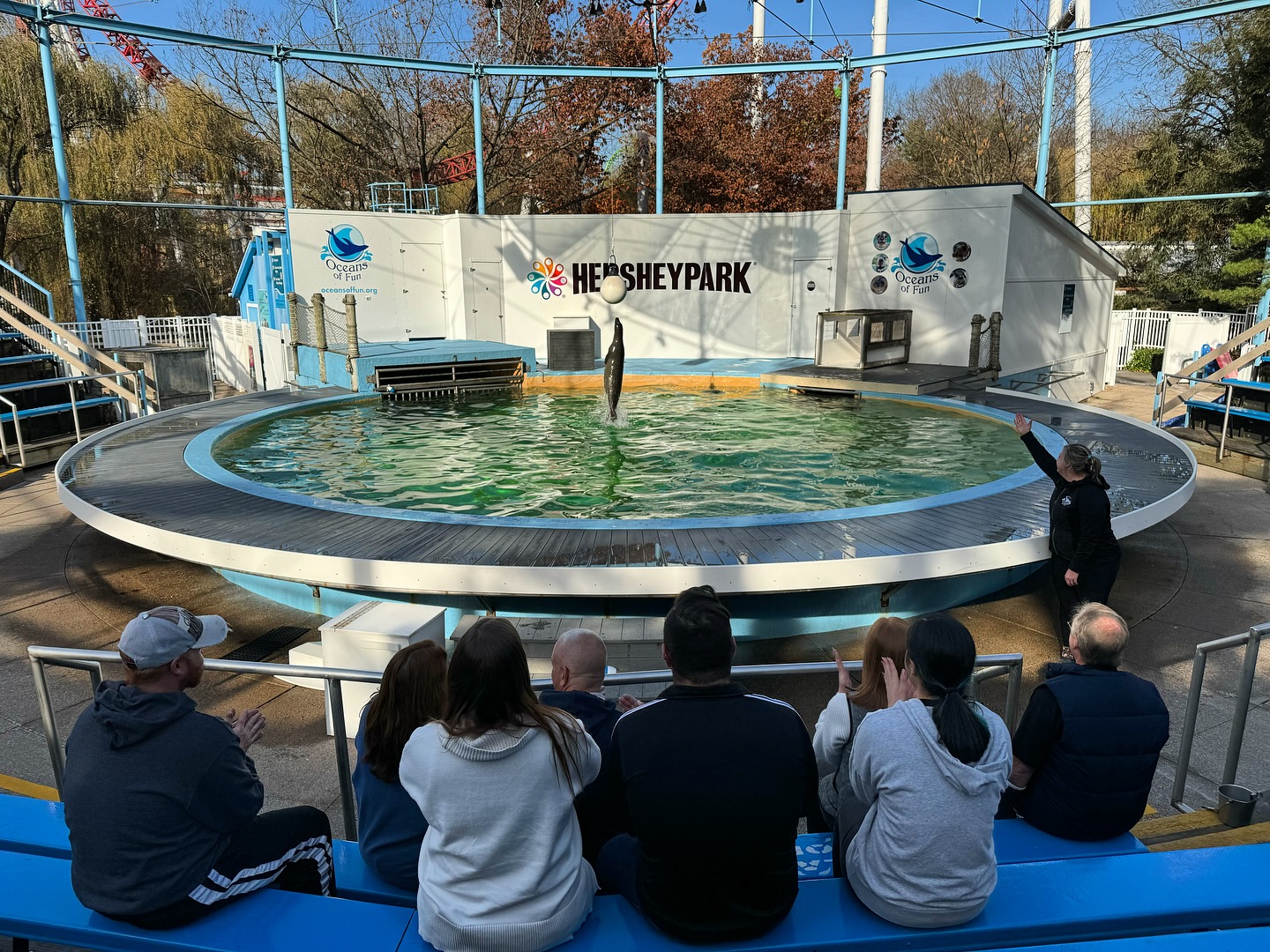
Colby and Diego are making big waves as they arrive at our sister facility at Hersheypark, Pennsylvania for the summer! In the past, our sea lions Diego and Geneva have spent several summers at the Aquatheatre educating guests about marine life and conservation. This summer, Geneva will stay in Milwaukee as she prepares for the arrival of her pup. Hersheypark guests will be thrilled to see Diego return. He will be a great role model for Colby, our three year old, who is spending his first summer at Hersheypark. Colby is an enthusiastic juvenile, who loves to participate in training sessions with his trainers. We are certain he will do a fantastic job serving as an ambassador to sea lions in the wild by educating guests in our daily presentations. Our harbor seals Mango and Bumper eagerly welcomed their sea lion companions. The Oceans of Fun team accompanied our seals during transport earlier this spring. Hersheypark will now be a year round home to Mango, Bumper, and several of our trainers. Our team worked round the clock to ensure a safe transport for our animals. Not only is a lot of work required in preparing the supplies and plans, but we must also prepare the animals. Everyday Colby and Diego practiced voluntarily entering crates to ensure they were ready for their big move. This dedicated practice allowed them to become familiar with transport procedures and allowed us to transport them in a comfortable setting. Trainers travel alongside animals throughout the transport and the entire process was done under veterinarian supervision. We use specially designed wooden crates to transport our animals. These crates are similar, though much larger, to ones you may have in your home for your pets. Unlike dolphins, sea lions do not spend their entire lives in the water so crated transports are very comfortable for them. However, Oceans of Fun staff took extra care to pamper our animals with regular misting. By sharing our animals with the public, Oceans of Fun is able to make a lasting impact and inspire audiences to care for these amazing animals and their environment. Through transports, we are able to extend our reach and touch even more lives. Transports also make breeding loans possibly, drastically increasing the genetic diversity and breeding success of zoos and aquariums throughout the world. We are excited to share our seals and sea lions with Hersheypark guests this season.
News Item
Along the coast of California, over 2,700 California sea lions pups have been found stranded since the beginning of January 2015. This number is 20 times the average, which means the stranding and rescue centers who care for sick and malnourished wildlife, are being bombarded with an overwhelming number of animals. Oceans of Fun was honored to be able to send one of our own staff members out to California to assist with caring for these needy pups. Read more to learn about Emme’s experience. “My life has always been filled with a passion for marine mammals, and for the past several years, I have had the great pleasure of working alongside a dynamic group of animals and sharing my passion with others. The animals under my care act as ambassadors to their wild counterparts; it is important to understand the challenges that these animals are facing out in the wild. As a leader in the marine mammal community, Oceans of Fun gave me the once in a lifetime opportunity to experience these challenges first hand as well as play a vital role in the preservation of marine animals by volunteering at the Marine Mammal Care Center in San Pedro, CA this past Spring. Since 2013, we have seen increased numbers of sea lion pup strandings along the coasts of central and southern California. Such a dramatic increase of strandings led to the declaration of an Unusual Mortality Event (UME). A UME has since been declared in 2014 and now again in 2015, with this year producing the highest number of strandings to date. At any one time, the Marine Mammal Care Center had approximately 140 animals in their care. Each day I was there, 3-5 new animals would arrive, most often malnourished and dehydrated. The overall health of each animal was assessed and appropriate placement in the center was determined. From there began the road to recovery and release – medication, tube feeding, success with eating fish, competing, and gaining strength and coordination – all necessary before an animal could be released back out into the wild. While it hurt my heart to see so many sea lion pups that were not much more than skin and bones, I was also surrounded by the success stories and by a large group of people that were devoting their lives to this cause. I therefore felt more hopeful than sad. I learned a great deal of valuable information and skills while working at the center. I felt in my element and really absorbed myself in the work. At Oceans of Fun, if an animal is in need of assistance, we will stop at nothing to provide that animal with the best possible care. The time and energy we can devote to each of our animals is truly a gift. The reality I had to face at the stranding center, was that each animal could not be afforded this luxury due to too many animals and not enough resources. However, when it came time for me to leave the center, I looked at one of my supervisors and said, “I really hope that my fellow colleagues and I being here has been of assistance to all of you and to these animals.” She paused briefly, then responded, “Without all of you here, we would not even be able to feed these animals three times a day.” It was then that I knew I had been a part of something really important. It is my hope that through my experience, I can share my knowledge of the events occurring on the coast and more importantly, instill in others a desire to continue to share that knowledge and find a way to contribute to such a worthy and important cause.” To learn more about the current UME and to make a donation, click here.
News Item
For the entire month of June, Oceans of Fun will join our colleagues at the Alliance of Marine Mammal Parks and Aquariums (AMMPA) and the European Association for Aquatic Mammals (EAAM) in a month-long social media campaign to raise awareness of marine debris and motivate people around the world to clean up and prevent more trash from entering our world’s oceans. Be sure to check out our World Oceans Month page to learn more and follow us on Facebook to learn how we can work together to create a #DebrisFreeSea!
News Item
Animal health has always been our highest priority. Oceans of Fun partners with an internationally renowned marine mammal veterinarian and the veterinary staff at the Milwaukee County Zoo to provide exceptional care for our animals. This week, our population enjoyed a visit from their veterinarians for their regularly scheduled physicals. Thanks to dedicating time to practice husbandry, or medical, behaviors with our seals and sea lions, all our physicals were completed 100% voluntarily. We are also happy to announce all our flippered friends received a clean bill of health! During physicals, animals are asked to present their eyes, ears, mouths, and flippers to the veterinarian. This allows for a thorough visual to help determine overall health. Our seals and sea lions are trained to provide a variety of different samples, all voluntarily! We are able to get blood, respiratory, and fecal samples, to name a few. These samples are thoroughly tested so we can have accurate readings on their internal health. Many animals, including seals and sea lions, are more easily preyed upon when they appear sick. As a defensive mechanism, animals hide early stages of symptoms when they are sick. By collecting and studying these samples, we are able to accurately determine an animal’s health. It is of upmost importance that these samples be voluntary. Samples collected in a voluntary and stress free environment are more accurate markers of our animals’ health. During his visit, the veterinarian was able to check on our expectant mother, Geneva. Geneva has been practicing ultrasounds with her trainers every day. She was able to hold herself in position beautifully so that the veterinary team could check in on her pregnancy. We were able to view a heart beat and a very large fetus. We are expecting a birth any day now! Husbandry training sessions are performed daily with all of the seals and sea lions at Oceans of Fun. Recognizing the importance of animal health, we want to ensure all of our animals are able to receive medical care, if necessary, in a restraint free and voluntary environment. Some examples of behaviors that our animals practice regularly are laying out for x-rays, daily teeth brushing, receiving eye drops, and stepping onto a scale to obtain weights. These behaviors are practiced in a variety of settings to ensure each animal’s comfort. You may even see them practiced during our daily seal and sea lion presentations! As leaders in the marine mammal community, we are constantly striving to improve our husbandry program. We welcome your donations that in turn go directly to the husbandry training of the seals and sea lions at Oceans of Fun. Make your donation here.
News Item
Join Oceans of Fun, the Alliance of Marine Mammal Parks and Aquariums (AMMPA) and the European Association for Aquatic Mammals this June in celebrating World Oceans Month! Inspired by World Oceans Day, which was celebrated June 8th, this international partnership aims to raise awareness for ocean health and conservation efforts throughout the month. Oceans of Fun is proudly accredited by the AMMPA. Together we are joining a number of other accredited facilities worldwide in promoting environmentally friendly practices by sharing fun and easy tips as well as challenges to improve ocean health through Facebook and Instragram. Marine parks, zoos and aquariums are dedicated towards protecting our worlds’ oceans and recognize the impact each individuals’ actions have on the health of the environment. Though we educate zoo patrons about conservation on a daily basis, it is important we all take this month to reflect on the effects of our actions and focus on ways we can all help! Leading by example, Oceans of Fun staff has been out in the community joining in local conservation efforts. From showing off our reusable shopping bags and water bottles to carpooling to work, we are all making efforts to reduce our carbon emissions. This past week, we met up with the Friends of South Shore Park for a beach clean up! We were excited to learn that the Friends of South Shore Park hosts monthly beach cleanups and we cannot wait to join them again July 23rd . We invite you to join us as well! Debris found on beaches can be detrimental to the animals that call it home. Although we cleaned up a beach along Lake Michigan, it’s important to recognize that debris in the midland can eventually work its way downstream to the ocean. Any pollution found in an animals’ habitat can be harmful and even fatal. Fortunately by working together with our friends, families and communities, each individual can make a wave in the plight of the oceans and make a positive, lasting impact. Join us in protecting our oceans and share you and your families’ own efforts with us on Facebook!
News Item
The Fourth of July is a wonderful time to gather with friends and families to celebrate our nation. In this time, it is also important to recognize and remember those who protect us and our loved ones. The Milwaukee County Zoo honored military men and women by inviting them and their families to enjoy a day at the zoo. Though we should all honor these men and women daily, we made it a priority to make Military Day at the zoo extra special. Several members of our armed forces were able to meet some of our animals during interactions in our shows. They all even received a sea lion salute! Oceans of Fun thanks all members of our military, past or present, for all they do to protect what we cherish. We hope we made this Fourth of July weekend memorable for these brave men, women, and their families by sharing our seals and sea lions with them.
News Item
Our pinniped family continues to grow! We welcomed the birth of a newborn California sea lion pup on July 10th at 10:49 am. The young female pup, Reese, was born to first time mother Geneva and we are ecstatic to report that mother and pup are doing extremely well! Now 5 days old, Reese spends her days exploring her new surroundings and bonding with Geneva. Sea lions are marine mammals, meaning they give live births and they nurse from their mothers. As a result of her birth, Reese has had an umbilical cord, a means of blood flow between mother and pup before birth, hanging from her stomach. Today the cord has detached itself by naturally drying out, indicating a healthy progression to our animal care staff. Sea lion pups are extremely dependent on their mothers, not only for protection, but also as a food source. Pups will nurse milk from their mothers for the first 6-12 months of life before beginning to eat fish. We are glad to see Reese spends a vast majority of her day nursing. At this time, she is gaining ½ lb each day and already weighs a hefty 15 lbs! She won’t reach her full mature weight of 200 - 225 pounds until she is over 5 years of age. Geneva has been an excellent mother to Reese so far. Mothers and pups communicate with specialized “pup calls” that are unique to each mother-pup pair. It has been quite noisy at Oceans of Fun lately with lots of bonding communication taking place between the two. When Reese is not being nurtured by her mother, she enjoys crawling on mom and playing with her own front flippers! Newborn sea lions pups do not know how to swim right away. Though her mother Geneva enjoys many opportunities to go for a swim, Reese stays safe and dry in one of our holding pens for now. Soon, Reese will get their own private baby pool to begin swimming lessons in. This ensures she will have the comfort and strength to swim in our 18-foot deep main environment when the time comes. Seal pups are a bit more independent. They are able to eat fish much earlier in life and they can start swimming almost immediately! Once pups are eating fish, their formal training can begin. Formal training is a fun and exciting opportunity for seals and sea lions to learn new behaviors alongside their trainers. Until then, Reese is at an informal stage of training. This means she is getting to know their trainers during playtime, meeting new faces and hearing your applause during show time! Be sure to stop by one of our daily seal and sea lion shows in the next few weeks for a chance to see our newest family member.
News Item
This summer has been very busy for Oceans of Fun. Raising California sea lions takes a lot of dedicated work from our animal care specialists and this season we welcomed two sea lion births! Zeus, born to his mother Sonoma in March, is now a very energetic 5-months old. We recently welcomed Reese to first time mother Geneva on July 10th. To ensure our pups are strong and healthy, our trainers commit a large portion of their day to our pups, but it is always worth it to see them grow and play! Believe it or not, when sea lions are first born they do not know how to swim. Before they can enter our 18-foot deep main pool for the first time, pups must spend several weeks preparing in shallower baby pools. Under the watchful eye of her mother Geneva, Reese has been splashing and romping in her own private baby pools. By providing her with shallow water, she can gain comfort with holding her breath, and figure out what exactly her flippers are meant to do! Once she has enough comfort, she can advance to our holding pools, which are 6-feet deep. Already 5-months old, Zeus has long since graduated to our main pool environment. At this time, he is still nursing from his mother. Pups can begin to eat fish at 6-12 months of age. Zeus spends his days playing sea lion tag with his best friends Talise and Nalu. He is quite the energetic boy – zoo guests may even have the chance to see him zooming and porpoising through the pool during our shows! Zeus’ days are filled with play which is crucial to the development of young animals. Not only does he learn how to interact in social relationships, but he is building the strength and coordination necessary to thrive in live. Once he begins eating fish, he will learn a whole new game of training with our staff! For regular updates on our pups and all the animals at Oceans of Fun, follow us on Facebook!
News Item
The Oceans of Fun team is at it again! Even though World Ocean Month has ended, that does not mean we have stopped our conservation efforts. Last week, several members of our training staff, interns, and their friends and families came together to clean up South Shore Park Beach in an effort to make our beaches “Barefoot Friendly”. The event, sponsored by Barefoot Wine & Bubbly and organized by Friends of South Shore Park, made a lasting impact by removing 122.5 pounds of debris from the lakefront. The Oceans of Fun team alone removed 10 pounds! The most commonly found items during our beach clean up were cigarette butts, firework debris, and small plastic pieces. In order to track debris polluting our beaches, teams filled out logs of items found. A complete list of items removed can be found here. Not only does participating in beach clean ups make our beaches barefoot friendly, but it also ensures a safe habitat for countless animals that make the lakeshore home. Entanglement and choking are just a few of the many hazards this debris can present to wildlife. If you are interested in making a difference, you can find a beach clean up near you. Visit www.greatlakesadopt.org to find events near you and to learn more. Be sure to follow Oceans of Fun on Facebook to learn more about joining us in our conservation efforts.
News Item
As the show season at Hersheypark begins to wrap up, Oceans of Fun will still be quite busy! We are excited to announce that our seals will stay year-round for the first time ever. Oceans of Fun has brought animals out seasonally each summer for the past 7 years. Each year has been fun and exciting and this year was no exception! Hersheypark fans were excited to meet two new faces this year, Colby and Mango. Colby is our 3 year old, male, California sea lion. A young animal, Colby is always eager to learn and progress in his training. He has impressed audiences with his great performances in our educational shows! Mango is an 11 year old, female, Atlantic harbor seal. She came to Oceans of Fun on a breedingloan from the Brookfield Zoo located in Chicago. Mango was no stranger to training, as she worked daily with trainers at the Brookfield Zoo; however, she had never been exposed to shows before. Mango and Colby both required dedicated care from their trainers to help them with a smooth transition into a new environment. By always making training sessions fun and positive, we were easily able to introduce these two animals to larger crowds and acclimate them to the sounds of roller coasters! Fortunately their trusting relationship with their trainers allows us to ensure all animals are comfortable, safe and relaxed in their new homes. Diego and Bumper have both traveled to Hersheypark for several seasons. These two did a fantastic job entertaining and educating park guests all about marine life and conservation in our seal and sea lion presentations. As established animals, they were also the stars of our Behind the Splash program, allowing guests to get up close and personal in a photo opportunity! Be sure to check out Hersheypark for the most up to date information on scheduled performances featuring Mango and Bumper this fall and winter. By following us on Facebook, you can receive the latest news on all of our seals and sea lions!
News Item
Welcome to Kanuk and Kodiak! These two pups, estimated to be 1-year old, were rescued by stranding centers after being found stranded and malnourished off the coast of California this spring. Each of the pups stranded repeatedly prompting the National Marine Fisheries Service to deem them non-releasable. They join more then 3,500 California sea lion pups this year who have been rescued off the coast of California. Scientists believe this unusual mortality event is due to warmer water temperatures driving fish populations away and causing sea lion mothers to leave their pups in search of food. After several unsuccessful attempts to release Kanuk and Kodiak, Oceans of Fun along with the Brookfield Zoo in Brookfield, IL were asked to assist by providing care and permanent homes for the pups. When animals from the wild arrive to zoos and aquariums, they undergo a quarantine period to ensure they are healthy and will not transmit disease to other animals. The decision was made to keep the pups together through transport and quarantine to ensure their comfort and success. Oceans of Fun and the Brookfield Zoo have shared a long term partnership committed to the welfare, breeding and conservation of pinnipeds for years. In late July both marine mammal teams worked together to safely transport Kanuk and Kodiak from California to the Brookfield Zoo. Today we are thrilled to be able to introduce Kanuk and Kodiak to all of you as the veterinary teams have announced that they have cleared quarantine, are strong and healthy. Kanuk will join the Oceans of Fun family soon. We expect to welcome him to the Milwaukee County Zoo this winter while Kodiak will make his home at the Brookfield Zoo. Both lucky little pups are ambassadors who will now educate the public on marine mammal conservation and plight of our oceans. Oceans of Fun is committed to conservation status of pinnipeds in the wild. Earlier this year Oceans of Fun was called upon to assist the rescue centers as the number of stranded pups set record highs. Due to our knowledge and expertise with sea lion pups, Oceans of Fun team members traveled to the coast in assistance with rescue and care. Additional support was raised through fundraising efforts in Milwaukee providing monetary support for medical needs, fish and animal care. In 2013 Oceans of Fun stepped in to rescue and hand rear Nalu, then a three month old sea lion pup who was found without his mother. Still requiring 24 hour care, Nalu was unable to survive in the wild. Today, Nalu is a healthy 2 year old and an ambassador to his species in the wild, just as Kanuk and Kodiak will become. We are proud to educate Milwaukee County Zoo patrons on ways to live environmentally friendly lives to improve these animals’ habitats and ensure survival. To receive up to date information on Kanuk and Kodiak, be sure to follow us on Facebook! Guests can see Kanuk and Kodiak on exhibit with Brookfield’s other sea lions, harbor seals, and gray seals at their Pinniped Point exhibit. You and your families can help sea lion pups like Kanuk and Kodiak by donating and supporting stranding centers as well as making environmentally responsible decisions. Photo Credit:Jim Schulz/Chicago Zoological Society Photo Caption: Kanuk (front) and Kodiak with Mairim Martinez, a marine mammal specialist at Brookfield Zoo’s Pinniped Point habitat.
