





 Animal Encounter
 Our Locations
 Family Fun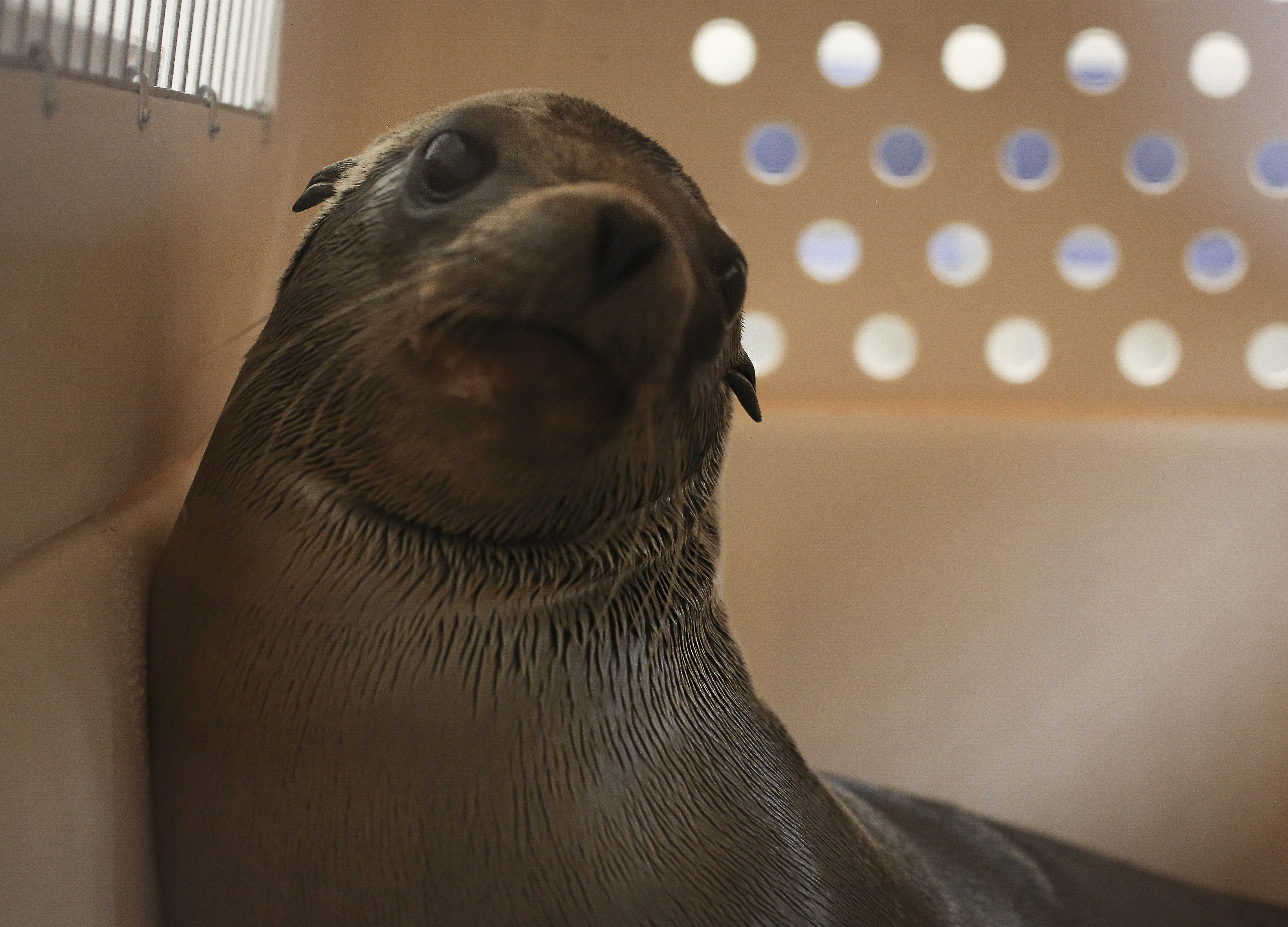
 Meet Ripley!

Search
Search results for ""
348 Results Found
Pages
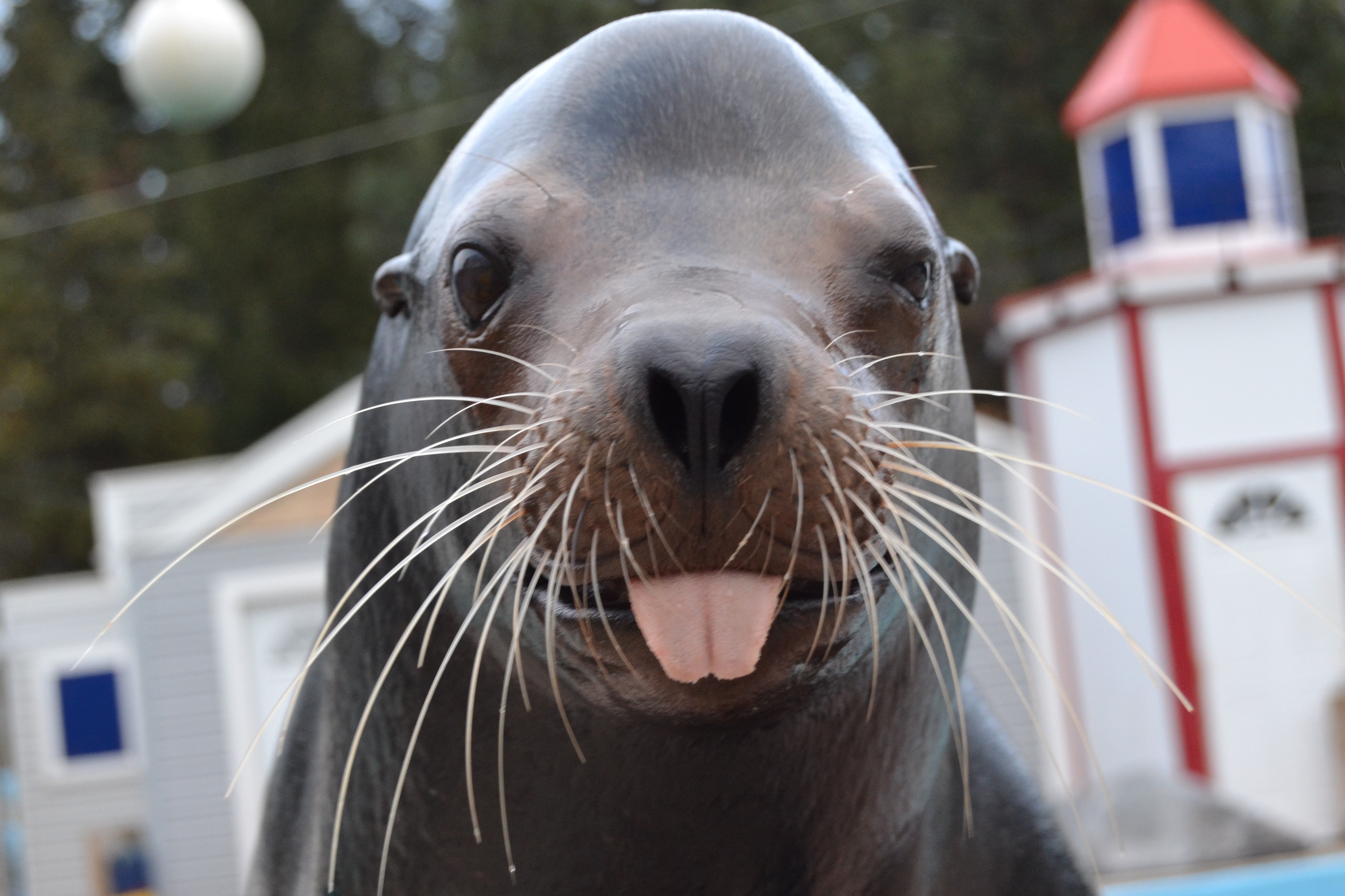
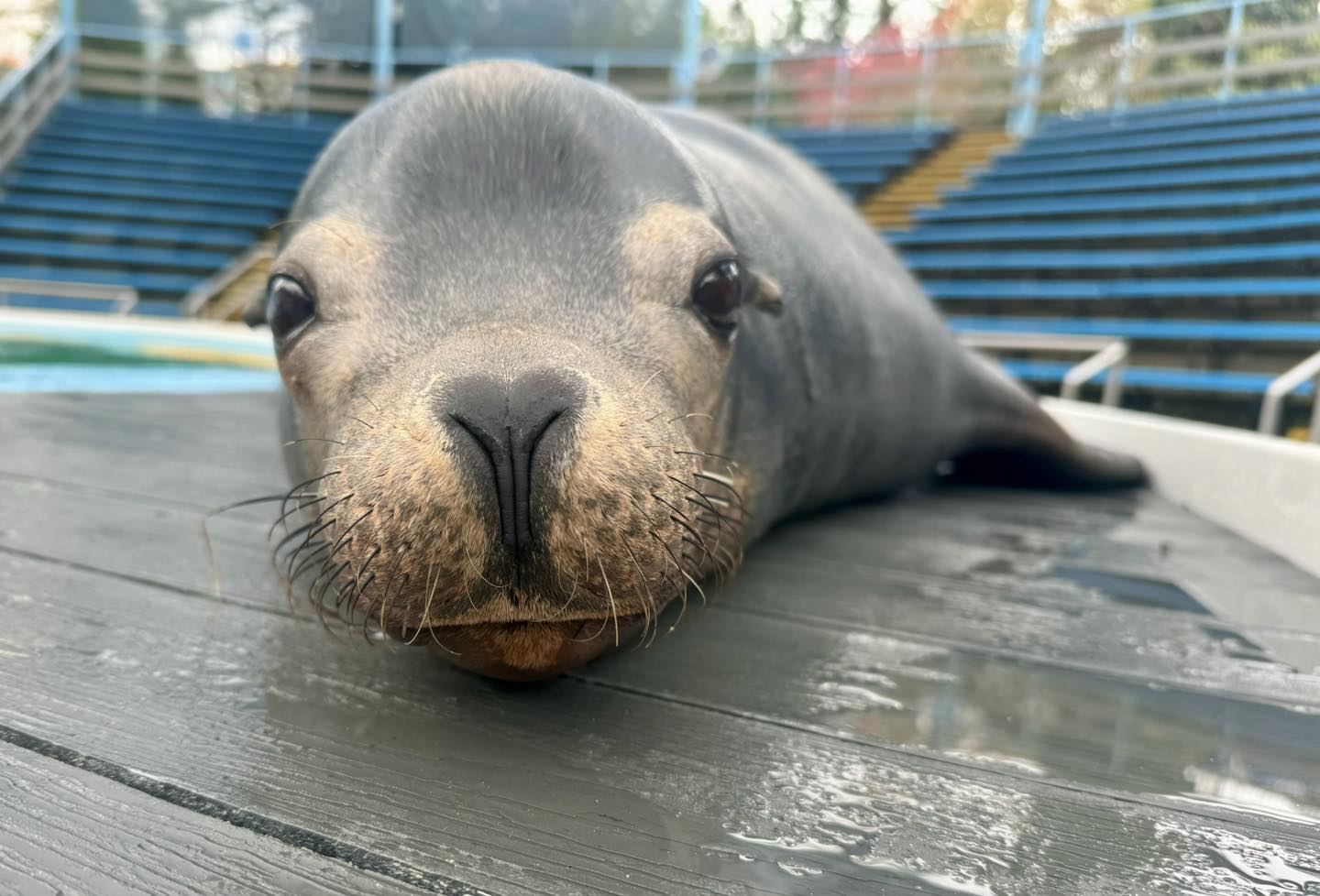
Ocean Connections currently houses California sea lions and harbor seals at our facility located within the Milwaukee County Zoo. Click on the names below to learn more about each of our animals. Geneva Sport Sonoma Slick Makaia Bumper Satara Diego Colby Scooter Abby Seals and sea lions are both classified as pinnipeds. They are also known as marine mammals. Being a mammal means that they possess the five characteristics that all mammals share. They are warm blooded, air breathing, covered with body hair, and they give birth to live young that the females nurse and care for. Sea lions and seals also share many predators. Their natural predators include killer whales, sharks, polar bears, coyotes and wolves. We are also considered to be a predator to marine mammals. Humans create pollution and oil spills, overfish, and use drift nets. All of these things contribute to making life out in the wild very difficult and dangerous for these animals. Plastic is especially dangerous to these animals since it is found both in the water and on land. Humans can really help these animals out by recycling in our own homes.
Pages
Wondering what's happening at Ocean Connections? We will now be bringing you all of our latest events through our Current News page! Check it out here! November Newsletter 2014: View Want to keep up on what's new at Ocean Connections? Read all about our specials, program highlights, featured animals, conservation tips, and how you can sponsor a seal or sea lion in our Quarterly Newsletter. To receive our latest newsletter and program specials, be sure to subscribe to our Fan Club! Newsletter Archive November 2014 March 2014
Pages
Thank you for visiting the Ocean Connections website and reviewing our privacy and security statement. Ocean Connections is strongly committed to maintaining the privacy of your personal information and the security of our computer systems. With respect to the collection, use and disclosure of personal information, Ocean Connections makes every effort to ensure compliance with applicable federal laws. As a general rule, Ocean Connections does not collect personally-identifying information about you when you visit our site, unless you choose to provide such information to us. The information we receive depends upon what you do when visiting our site. If you visit our site to read or download information, we collect and store the following information: The name of the domain from which you access the Internet The date and time you access our site. The internet address of the website from which you linked directly to our site. The above information is used by software programs on our website to create summary statistics which allow us to assess the number of visitors to the different sections of our site, identify what information is of most and least interest, determine technical design specifications, monitor system performance, and help us make our site more useful to visitors. If you identify yourself by sending an e-mail containing personal information: You also may decide to send us personally-identifying information, for example your mailing address, in an electronic mail message requesting that information be mailed to you. Information collected in this manner is used solely for responding to requests for information or records. This information is never lent, sold, rented or given out for any reason to anyone...EVER! If you follow a link to other sites outside Ocean Connections: Our website has many links to other sites. When you link to any of these sites, you are no longer on our site and are subject to the privacy policy of the new site. Cookie Use Notice On a limited number of its web pages, Ocean Connections may employ "cookies" to provide better service to its customers. Ocean Connections does not use cookies to collect any personally identifying information from users or to track user activities beyond our website. Ocean Connections does not maintain copies of cookies on our website after you leave our website. Cookies are small pieces of temporary data that are exchanged between a website and a user's computer which enable a "session", or "dialog", to be established between the two machines. With the session established, Ocean Connections is able to tailor its responses (i.e. identify and provide you with the information you want) and help you traverse our web pages in the most efficient and effective manner possible. The session is often broken when the Ocean Connections server does not receive further requests from your computer or you simply exit your browser. Ocean Connections limits its use of cookies to "session cookies"… types of cookies that are temporarily stored in your computer's memory. Session cookies are normally deleted from a user's computer when the user logs off the computer or the user exits the browser. For security purposes and to ensure that this service remains available to all users, our website also employs software programs to monitor network traffic to identify unauthorized attempts to upload or change information, or otherwise cause damage. Unauthorized attempts to upload information or change information on this service are strictly prohibited and may be punishable under the Computer Fraud and Abuse Act of 1986 and the National Information Infrastructure Protection Act of 1996. Security Statement Ocean Connections understands that you may have concerns about using your credit card to make a purchase on line. We obtain credit card information during the order process by using an SSL connection using 128 bits encryption. While Ocean Connections believes it has taken reasonable steps to protect confidential information that you have provided through this website, Ocean Connections cannot absolutely guarantee the security of such information. Please contact the webmaster if you have any questions or concerns. Ocean Connections strives to protect its users personal information and privacy.
Pages
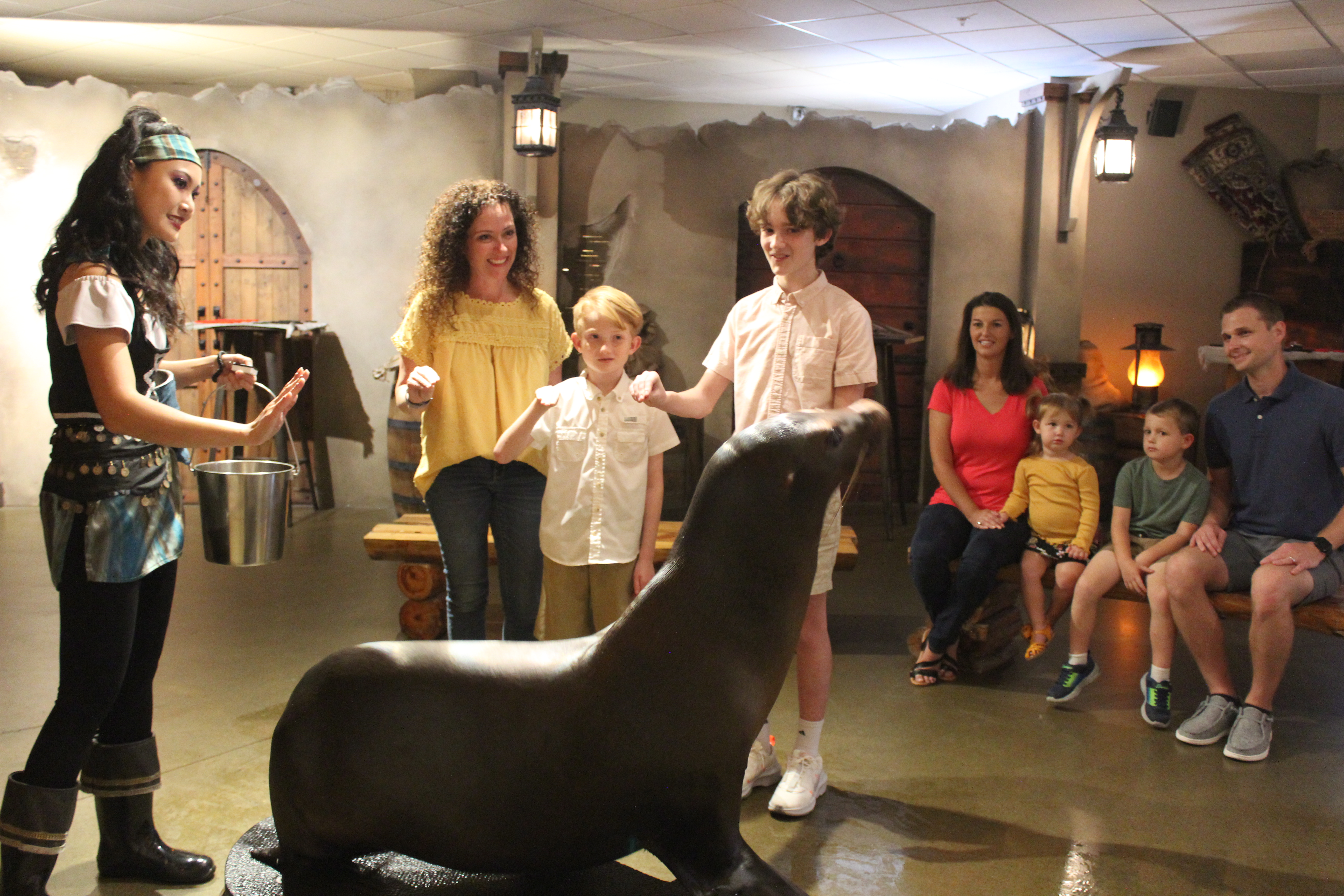
It’s a splashing good time! MAKE A RESERVATION Ages: 5-10 Program Fee: $100.00; ($85.00 Zoological Society Member Discount) Program Time: 2 ½ hour program Availability: Spring Hours: Programs will be offered on Saturdays & Sundays beginning the end of March and running through Memorial Day weekend. The summer schedule is Thursdays and Saturdays beginning in June and running through Labor Day weekend. Programs start at 1:00pm. Please click "Make A Reservation" on the left for additional details. Program Size: Minimum of 3 Jr. Trainers, Maximum of 15 Jr. Trainers If you’re between the ages of 5 and 10, and want to become a junior trainer for our flippered friends, Sea Lion Splash is the program for you! Head out pool-side and spend time training, feeding and playing hands-on interactive games with our seals and sea lions. Learn about our animals' characteristics, adaptations, habitats and diets, and then join our Animal Care Specialists to take part in a Ocean Connections sea lion presentation. After the program, head to our Sea Lion Shoppe to view and purchase photos of your unique marine mammal experience.
Pages
Summer Camps! MAKE A RESERVATION Ages: 7-9 (Sea Lion Explorers Camps) 10-12 (Marine Voyager Camps) Program Fee: Camp prices vary. Prices listed under respective camps. Program Time: 9:30am - 4:00pm AM Extended Care available starting at 8:00am ($7.00 per day) PM Extended Care available from 4:00-5:00 pm ($6.00 per day) Lunch: BYO or box lunch available for purchase with advance reservation. Program Size: Minimum of 3 campers, Maximum of 15 campers per session. If you’re between the ages of 7-12 and want the ultimate summer camp experience, we have a variety of camps for you to choose from! For those of you who LOVE marine mammals, our week long camp Maine Mammal Camps will provide you a full week of fun as you get to know our animals personally. Each fun-filled day is designed around a specific theme, such as seals and sea lions, animal behavior, conservation, training and marine mammal care. You’ll spend time exploring the zoo, visiting the special exhibits, playing training games, creating art projects and enjoying loads of fun at our sea lion pool! Our resident junior trainers are able to feed, interact with and participate in training sessions throughout the week. This camp will be the highlight of their summer! If your true interest is in animal training and you're between the ages of 10-12, our 2 day Animal Training Camp will immerse you in the training techniques we utilize with our marine mammals. We use positive reinforcement training which will be valuable as you practice and perfect training at home with your own pets! In depth discussions and hands on learning allow kids the opportunity to learn firsthand about marine mammal care, training and conservation. Younger kids (Sea Lion Explorers ages 7-9) who are not quite ready for a full week of camp have wonderful opportunities to choose from. Our Sea Lion Explorer Animal Behavior Camp gives kids a look into the world of marine mammals as well as the opportunity to gain knowledge and apply it throughout the zoo as we learn about animal behavior, adaptations, and conservation. Kids have fun while learning through exploration! New Camp Offerings in 2013! This summer boasts new opportunities for young children interested in making a difference in the world. Whether your interest in is in conserving natural resources, veterinary care or you simply enjoy animals, these new camps will provide an in-depth look at marine mammals and their role in the environment! Sea Lion Explorer Ocean Ambassadors is a 2 day camp for 7-9 year olds focused on learning about the ocean and environmental issues. Campers will explore ocean animals and identify simple steps to help keep our oceans clean and blue. The Marine Voyagers Ocean Stewards camp is offered to 10-12 year olds. This 2 day camp covers environmental conservation topics with an emphasis on taking personal action to protect the earth. For campers interested in becoming a vet, check out our Pinniped Practice 1 day camp! Marine Voyagers (10-12 year olds) will explore marine mammal medicine and practice husbandry behaviors with the seals and sea lions of Ocean Connections! Lunch packages, early drop off and after care are all available. Sea Lion Explorer 5 Day Marine Mammal Camp: $390 ($375 Zoological Society Member Discount) June 24-28, 2013 July 15-19, 2013 Aug 5-9, 2013 Sea Lion Explorer 3 Day Animal Behavior Camp: $255 ($240 Zoological Society Member Discount) June 17-19, 2013 July 1-3, 2013 July 24-26, 2013 August 19-21, 2013 Sea Lion Explorer 2 Day Ocean Ambassadors: $195 ($185 Zoological Society Member Discount) July 29-30, 2013 August 26-27, 2013 Marine Voyager 5 Day Marine Mammal Camp: $390 ($375 Zoological Society Member Discount) July 8-12, 2013 August 12-16, 2013 Marine Voyager 2 Day Animal Training Camp: $195 ($185 Zoological Society Member Discount) June 20-21, 2013 July 22-23, 2013 August 22-23, 2013 Marine Voyagers 2 Day Ocean Stewards: $195 ($185 Zoological Society Member Discount) August 1-2, 2013 August 28-29, 2013 Marine Voyagers 1 Day Pinniped Practice: $140 ($130 Zoological Society Member Discount) July 5, 2013 July 31, 2013
News Item
If you're planning on visiting the Milwaukee County Zoo's Family Free Day on Saturday March 3rd, be sure to stop by Oceans of Fun for our opening weekend! We're offering four family friendly Seal & Sea Lion Feedings on Saturday March 3rd and Sunday March 4th at 11:00, 12:30, 2:00, and 3:30. Come up close and feed our flippered friends poolside all while helping us protect marine life. All of the proceeds from this incredible experience contribute directly to the conservation and topnotch welfare efforts of Oceans of Fun! To purchase tickets visit our Sea Lion Shoppe located across from Monkey Island on the day of the event or learn more by clicking here.
News Item
The season of giving is here! You can help positively impact our world, our environment, and our oceans by contributing to a zoological institution. Accredited institutions, like Oceans of Fun, play a crucial role in the conservation of endangered species and ensuring that even healthy populations of wild animals remain that way with your help. Last year the dynamic population of animals that call Oceans of Fun home consumed over 50,000 pounds of fish (that’s equivalent to about 17 Volkswagen Beetles) ... and some of them are still growing! Which means fish quantities are going to increase. Your donations help contribute to the dietary needs of our pups, juveniles, and adults while also helping with veterinary expenses as well. We pride ourselves on providing the best animal care possible for our seals and sea lions and every contribution you make helps us help them. But it doesn’t stop at Oceans of Fun’s population of animals. We are facility dedicated to marine mammal science, education, and conservation. In 2015, over 4,000 sea lion pups were found malnourished and dehydrated on the coast of California in what the National Oceanic and Atmospheric Administration (NOAA) has declared an Unusual Mortality Event (UME). Your donations help send staff to rescue and rehabilitate pups just like Nalu, a UME pup that was deemed non-releasable and now calls Oceans of Fun home, as well as help cover daily supplies to help get these animals back on their flippers. They need you. Even the smallest donation goes a long way and helps make a difference in the life of seals and sea lions. You can give back this holiday season by donating to our conservation efforts by clicking here. Every donation comes with the happy feeling of knowing you’ve directly contributed to the health and welfare of seals and sea lions.
News Item
BRING YOUR CREATIVITY TO LIFE! Dive into a coloring adventure featuring your favorite flippered friends. Enjoy filling these illustrated pages with colors to create your own unique masterpieces! This book includes the following: 30 COLORING PAGES ready to be turned into your own creative art piece. STANDARD PAGE DESIGN: 8.5 x 8.5 inches ENTERTAINING & EDUCATIONAL: let your imagination loose and learn about our flippered friends. IDEAL GIFT: this book provides a relaxing activity for all ages. SINGLE-SIDED PAGES to prevent bleed-through and protect your artwork (if coloring with markers, use a protective sheet). Get yours by clicking here!
Pages
Our Mission Ocean Connections is a professional, registered, 501(c)3 non-profit organization committed to inspiring conservation awareness and public action for our world's ocean through education. Dedicated to the field of marine mammal science and education, it is our goal to provide the best possible environment, training and care for our marine animals with the focus of educating the public about marine life, environmental protection and conservation. Located in Pennsylvania, South Carolina, Tennessee, and Wisconsin, Ocean Connections provides a variety of opportunities for you to meet our animals up close and personal. Ocean Connections is committed to community outreach and education. Our goal is to promote stewardship and respect for the natural world through our interactive learning opportunities. Daily shows are offered from spring through fall which will allow you to enjoy our animals as they teach you about marine mammals in our world today. If you are interested in an interactive program, we have several to choose from. The opportunity to feed, play with and interact personally with these magnificent animals is available in a variety of interactive programs. Choose the one that is right for you!
Pages
Ocean Connections is a breeding facility for California sea lions. The first pup ever born at Ocean Connections was Makaia in 1993 to her mother Sport. Sea lion pups are very playful and can often be seen surfing the waves, leaping and porpoising through the water. Pups typically weigh about 15 pounds at birth and nurse for 6-9 months. Until the pups know how to swim, mothers leave them on the shore while they return to the sea to feed. Pups have very individual calls, which allow their mothers to locate them amongst numerous other pups once she returns to the shore. Sea lion milk is high in fat content allowing pups to gain weight quickly. Pups naturally learn to swim within the first few weeks of life by playing with other juveniles along the beach. Raising these pups comes with a lot of responsibility, but of course, it's also a lot of fun! Building strong and trusting relationships with each pup from an early age is critical in our positive training process. Click here to meet the sea lion pups of Ocean Connections.
Pages
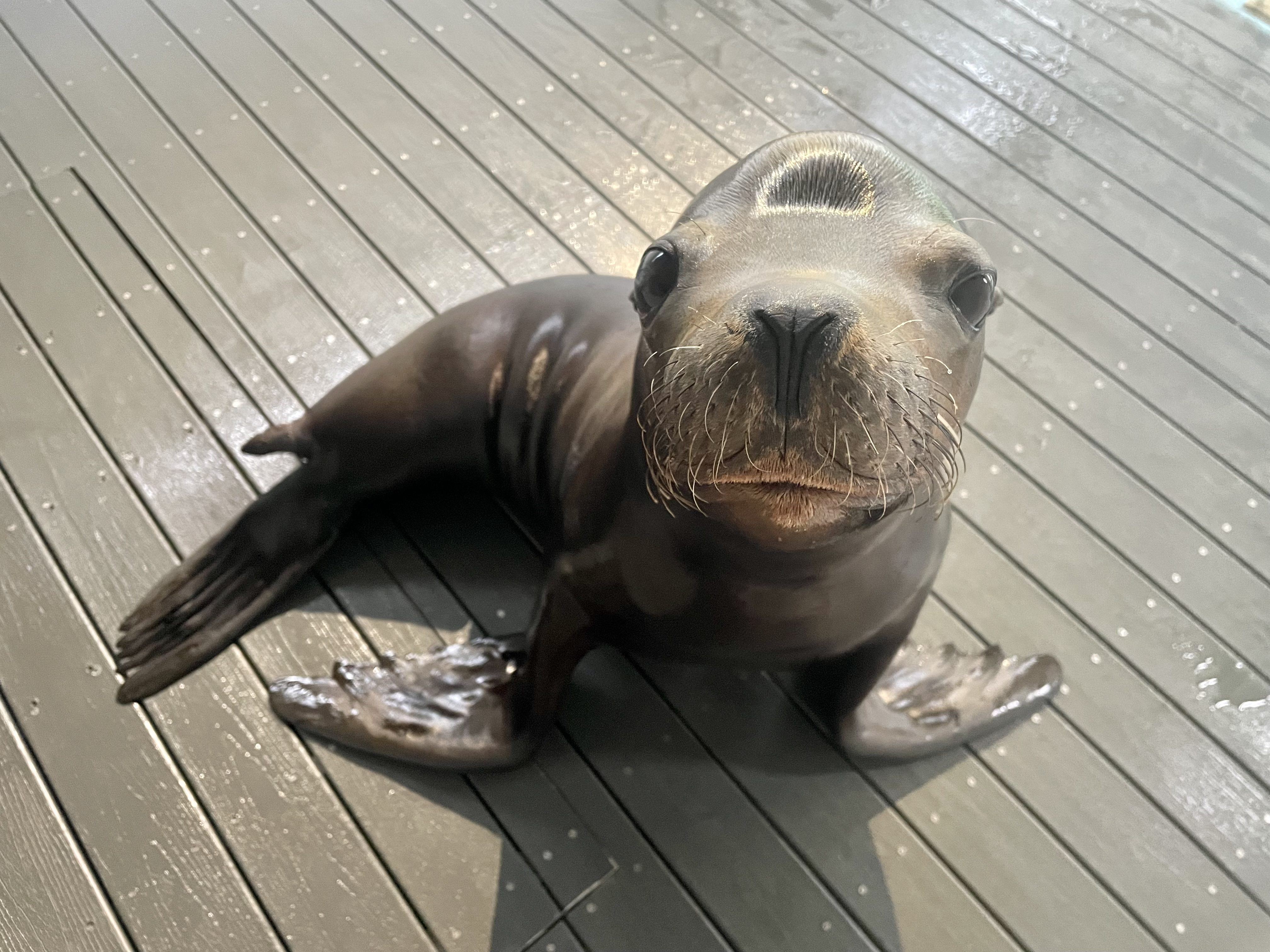
Ocean Connections has a colony of both male and female California sea lions which allows us to educate the public about these majestic animals along with environmental conservation. California sea lions are playful, noisy, social animals. They often rest closely packed together at favored “haul-out” sites on land or float together on the ocean’s surface in “rafts”. Fun Facts Sea lions can hold their breath for 15-20 minutes. Sea lions can reach speeds up to 25 mph. A female sea lion's gestation period is 12 months, including a 3 month delayed implantation. During this time the fertilized egg is free-floating and not attached to the uterine wall. Pups nurse for 6 - 12 months. California sea lions can be found as far north as British Columbia, along the coast of California and as far south as Mexico. Sea lions are capable of diving to depths of up to 1100 feet. A group of sea lions is called a rookery. Click here to meet the sea lions of Ocean Connections.
Pages
Did you know that harbor seals can be found in every ocean around the world? Ocean Connections has the privilege to be home to both Atlantic and Pacific harbor seals. These amazing animals provide us with an opportunity to educate the public about environmental conservation. Harbor seals spend about half of their time on land and the other half in the water. Harbor seals can swim up to 12 - 15 miles per hour, but they generally cruise at slower speeds. Fun Facts Seal pups are born in spring and summer, and enter the water almost immediately. Seals are capable of diving to depths of up to 656 feet. Seals typically breathe every 3 minutes but they are capable of staying under water for up to 30 minutes. Sexual maturity in seals happens at age 3-6 for females and 3-7 for males. Seals prefer to haul out on rocky cliffs as well as sandy beaches to rest and raise their pups. Click here to meet the seals of Ocean Connections.
News Item
Along the coast of California, over 2,700 California sea lions pups have been found stranded since the beginning of January 2015. This number is 20 times the average, which means the stranding and rescue centers who care for sick and malnourished wildlife, are being bombarded with an overwhelming number of animals. Oceans of Fun was honored to be able to send one of our own staff members out to California to assist with caring for these needy pups. Read more to learn about Emme’s experience. “My life has always been filled with a passion for marine mammals, and for the past several years, I have had the great pleasure of working alongside a dynamic group of animals and sharing my passion with others. The animals under my care act as ambassadors to their wild counterparts; it is important to understand the challenges that these animals are facing out in the wild. As a leader in the marine mammal community, Oceans of Fun gave me the once in a lifetime opportunity to experience these challenges first hand as well as play a vital role in the preservation of marine animals by volunteering at the Marine Mammal Care Center in San Pedro, CA this past Spring. Since 2013, we have seen increased numbers of sea lion pup strandings along the coasts of central and southern California. Such a dramatic increase of strandings led to the declaration of an Unusual Mortality Event (UME). A UME has since been declared in 2014 and now again in 2015, with this year producing the highest number of strandings to date. At any one time, the Marine Mammal Care Center had approximately 140 animals in their care. Each day I was there, 3-5 new animals would arrive, most often malnourished and dehydrated. The overall health of each animal was assessed and appropriate placement in the center was determined. From there began the road to recovery and release – medication, tube feeding, success with eating fish, competing, and gaining strength and coordination – all necessary before an animal could be released back out into the wild. While it hurt my heart to see so many sea lion pups that were not much more than skin and bones, I was also surrounded by the success stories and by a large group of people that were devoting their lives to this cause. I therefore felt more hopeful than sad. I learned a great deal of valuable information and skills while working at the center. I felt in my element and really absorbed myself in the work. At Oceans of Fun, if an animal is in need of assistance, we will stop at nothing to provide that animal with the best possible care. The time and energy we can devote to each of our animals is truly a gift. The reality I had to face at the stranding center, was that each animal could not be afforded this luxury due to too many animals and not enough resources. However, when it came time for me to leave the center, I looked at one of my supervisors and said, “I really hope that my fellow colleagues and I being here has been of assistance to all of you and to these animals.” She paused briefly, then responded, “Without all of you here, we would not even be able to feed these animals three times a day.” It was then that I knew I had been a part of something really important. It is my hope that through my experience, I can share my knowledge of the events occurring on the coast and more importantly, instill in others a desire to continue to share that knowledge and find a way to contribute to such a worthy and important cause.” To learn more about the current UME and to make a donation, click here.
News Item
This spring, Oceans of Fun was honored to accept the 2016 “Outstanding Internship Program” Award from the Milwaukee Area College Internship Consortium (MACIC)! Each year, MACIC recognizes local and state-wide internship programs that demonstrate best practices and exceptional mentorship to students pursuing work related experience. Entering the field of marine mammal care and training can be difficult without hands-on experience. To that end, Oceans of Fun has created an Internship Program that educates college students who are pursuing careers in Biology, Marine Biology, Psychology, Animal Behavior, Oceanography, Ecology, Education, and Communication. Students learn about animal diets, facility care, animal training, and assist the staff in educating the public about how to care for the environment. Oceans of Fun is honored to accept this award on behalf of our internship program. We are thrilled to play a role in giving interns at our company the opportunity to develop professionally and to expand their knowledge in the field of animal care.
Pages
Our world’s fisheries are facing many challenges due to overfishing and its detrimental effects. Factors including limited populations, bycatch and habitat destruction are impacting the state of global fisheries and the sustainability of our oceans. What is overfishing? Globally, fisheries are removing fish from the oceans at a faster rate than they can reproduce. This results in depleted populations, decline of ecosystem stability and limited food sources for marine life and communities around the world. Scientists estimate that 75% of the world’s fisheries are either fully exploited, overexploited or have collapsed and only 1% is recovering from depletion. In response to the declining fish populations, the number of fishing vessels has increased. Currently, the commercial fishing fleets are operating at 2.5 times the sustainable level resulting in too many boats chasing a devastating low number of fish. Over the last 50 years, fishing technologies have evolved to be more efficient than ever. Fisherman have the ability to fish farther and deeper than ever before resulting in astronomical fish catches averaging 80 million tons of fish a year. Research estimates that we have removed 90% of the large predatory fish such as shark, cod and tuna from our world’s oceans. These large fish species are long-lived and slow to reproduce making their populations exceptionally vulnerable to overfishing practices. The state of global fisheries is threatening food supplies, economies and recreation in all parts of the world. Decades of overfishing has driven some fish populations so low that the possibility of recovery, if even possible, would be long-term. Other Factors There are other harmful impacts of overfishing in addition to depleted fish populations. Habitat destruction from fishing gear and bycatch cause detrimental changes to the marine ecosystem. Habitat Destruction As fishermen work harder to catch fewer fish, their fishing methods can cause negative impacts to the marine environment. Fishing vessels with trawling nets or dredges destroy ocean habitats collecting organisms from coral to shellfish and other bottom-dwellers along in their path. These fishing practices destroy shelter, feeding and breeding grounds that are essential for species survival. Many of the species impacted by these methods have problems recovering from such complete habitat destruction as areas are dredged and trawled multiple times a year. Bycatch Bycatch is the accidental catch of unwanted species. This occurs when fisherman use large nets or trawling methods to catch large quantities of fish. Often, these methods results in a large catch of the desired fish species but also takes casualties including other fish, birds, sea turtles and marine mammals that are discarded back into the ocean. Worldwide, one out of every four fish caught is discarded, dead or dying as bycatch. Though bycatch greatly impacts the stability of the marine ecosystem, there are fishing practices that help to limit its effects. Fishermen have the ability to use hook-and-line fishing gear that allows them to quickly release unwanted catch from their hooks because they are reeled in soon after a fish takes the bait. “Turtle excluder devices” are trap doors in shrimp nets that allow turtles to escape and there are new circular-shaped hooks which are less likely to catch turtles. Fishermen also have started fishing at night when birds are less active to help limit the detrimental impacts of bycatch. With this new fishing gear available, fewer animals are affected by bycatch but the problem continues as not every fisherman chooses to use these safer devices. Fishing Down Once a particular fish species has been depleted, fishermen sometimes move onto a new species lower in the food web. As top predator populations decline, more fishermen catch species such as crabs, sardines and squid. These aquatic animals were once bypassed by fisherman but have become important economic and food sources for the world. Issues arise when these important prey species are depleted in the ocean because of human consumption. Many birds and marine mammals depend on these lower level species for survival and their absence creates negative impacts throughout the ecosystem. Taking Steps Towards Sustainable Seafood We have the power to make the issues effecting fish populations worse or to improve them. Through better fishing and fish farming practices, we can create healthy and abundant oceans to support everyone including marine animals that depend on fish for food. Seafood Watch is a program of the Monterey Bay Aquarium that works to provide consumers with the most accurate information regarding sustainable seafood as possible. Since 1999, Seafood Watch has been dedicated to educating consumers, fishermen, restaurants and retailers about fishing practices, impacts and best choices for sustainable oceans. The oceans supply us with food, help regulate our climate, and supply a livelihood for millions of people. Seafood Watch recommendations don’t hinge on any single issue. They consider the fishery, habitat, species, management, and a host of other factors that affect each species. Through these efforts, Seafood Watch works to provide a clear vision for sustainability. To learn more about sustainable seafood and efforts you can take to make a difference, please visit our Sustainable Seafood page or www.seafoodwatch.org for more information. Sources National Geographic: Ocean www.ocean.nationalgeographic.com Seafood Watch www.seafoodwatch.org
News Item
The Wait is Over! Our Panama City Beach, Florida location is now open. Check out the swashbuckling excitement of the Pirates Voyage Dinner & Show at this 60,000-square-foot pirate-themed dinner theater which seats more than 1,000 guests. Ocean Connections provides the animal ambassador portion of this exhilirating show and looks forward to introducing educational opportunities for the local community soon. Don't miss out on this family-friendly experience featuring acrobatics, fire acts, mermaids, sword fights, a four-course meal, and, of course, Salty the Sea Lion! Learn more or purchase your tickets today by clicking here.
News Item
Animal health has always been our highest priority. Oceans of Fun partners with an internationally renowned marine mammal veterinarian and the veterinary staff at the Milwaukee County Zoo to provide exceptional care for our animals. This week, our population enjoyed a visit from their veterinarians for their regularly scheduled physicals. Thanks to dedicating time to practice husbandry, or medical, behaviors with our seals and sea lions, all our physicals were completed 100% voluntarily. We are also happy to announce all our flippered friends received a clean bill of health! During physicals, animals are asked to present their eyes, ears, mouths, and flippers to the veterinarian. This allows for a thorough visual to help determine overall health. Our seals and sea lions are trained to provide a variety of different samples, all voluntarily! We are able to get blood, respiratory, and fecal samples, to name a few. These samples are thoroughly tested so we can have accurate readings on their internal health. Many animals, including seals and sea lions, are more easily preyed upon when they appear sick. As a defensive mechanism, animals hide early stages of symptoms when they are sick. By collecting and studying these samples, we are able to accurately determine an animal’s health. It is of upmost importance that these samples be voluntary. Samples collected in a voluntary and stress free environment are more accurate markers of our animals’ health. During his visit, the veterinarian was able to check on our expectant mother, Geneva. Geneva has been practicing ultrasounds with her trainers every day. She was able to hold herself in position beautifully so that the veterinary team could check in on her pregnancy. We were able to view a heart beat and a very large fetus. We are expecting a birth any day now! Husbandry training sessions are performed daily with all of the seals and sea lions at Oceans of Fun. Recognizing the importance of animal health, we want to ensure all of our animals are able to receive medical care, if necessary, in a restraint free and voluntary environment. Some examples of behaviors that our animals practice regularly are laying out for x-rays, daily teeth brushing, receiving eye drops, and stepping onto a scale to obtain weights. These behaviors are practiced in a variety of settings to ensure each animal’s comfort. You may even see them practiced during our daily seal and sea lion presentations! As leaders in the marine mammal community, we are constantly striving to improve our husbandry program. We welcome your donations that in turn go directly to the husbandry training of the seals and sea lions at Oceans of Fun. Make your donation here.
Pages
Pinnipeds residing in zoos and aquariums are ambassadors for their species providing us the opportunity to gain knowledge through research dedicated to learning more about marine mammals Information gained about animal behavior, life cycles, and social structure can then be applied to better understand the animal’s wild counterparts. In the process, we are able to educate the public about the animal’s natural life history and environmental concerns impacting animals in the wild. Zoos and aquariums have the ability to provide exceptional mental, physical and medical care because of our expertise and training techniques. Additionally, these environments ensure animals the protection from natural predators, pollution and harassment while providing them the benefit of a high quality diet and specialized veterinary care. Because of these efforts, we have been able to double the lifespan of the pinnipeds under our care. Seals and sea lions in zoos and aquariums typically live into their 30s with the possibility of living much longer. Life in the wild does not provide such a safe and friendly environment as wild pinnipeds only live 10-15 years on average. Marine mammals face many challenges on a daily basis. Some of these challenges occur naturally while others are contributed by human interaction and development. Through habitat destruction, harassment, pollution, overfishing, and disease, these animals struggle to survive in their natural habitats. The most common issues impacting pinnipeds are domoic acid poisoning, pollution and entanglement, and lack of food sources due to overfishing. Each of these factors present different challenges to seals, sea lions and walruses living in the wild. Learn more about the challenges affecting pinnipeds in the wild. Domoic Acid Poisoning Marine Debris Overfishing
News Item
We have moved to the beaches with nurseries these last 2 days. The fur seals are giving birth right now and our focus is on collecting newborns 1-2 days old along with moms for health assessments. Fur seal moms tend to remain in established colonies on a beach and are very protective of their pups. We are able to accomplish our task by grabbing the young pups. When the mother instinctively comes up the beach after her pup we are able to net her and complete physicals on both animals simultaneously. In addition to the regime of standard tests on the females we are collecting milk samples for analysis. Pups are being weighed, tagged, measured and micro chipped. Each mother/ pup has a very unique vocalization which is utilized to locate each other. Mothers typically only nurse and care for their own pups so it is essential that we are able to reunite the pair. Over the past 2 and half days we have successfully evaluated and reunited 14 mother/ pup pairs. Each has been very individual and it has been fascinating to observe the mother/pup bonds in the wild. The fur seal population as a whole is very unique. The males typically weigh about 300 lbs but have the ability to impress us with their large full mane of fluff. These males are very territorial and defensively stand guard over their female's colonies and beach. We have to be extremely aware of the male in each territory as he will guard and protect innately. The pups are a marvel to work with. Each is very individual with their own personality quickly developing. We have had feisty pups, cuddle bugs, ferocious and gentle pups. Our team works hard to ensure that the mothers and pups reunite following our procedures and observations are performed on all pairs to ensure that bonding, nurturing and nursing continue. Instinct is amazing. Yesterday we had a pair separate for over 24 hours and the entire team nervously monitored the site hopeful that the mother would locate her pup which had moved out to a large rock outside of the territory they came from. With hundreds of pups on a beach it is incredible that two animals are able to locate and recognize each other through sound and scent. As afternoon hit today, our team was over joyed to learn that "Eli" and his mother finally had reconnected! The success was celebrated by our entire team! Speaking of teams, a definite highlight to this trip is in the incredible people we have the opportunity to work along side. Our team consists of veterinarians, researchers and animal specialists from 7 North American and 2 South American facilities. Talk about collective knowledge! Each person brings their own expertise and experience and it has been an absolute pleasure getting to know and working alongside such talented individuals. In addition to the pinniped research being conducted this week we also integrated a small team to continue with the Humboldt Penguin Health Assessment project that has been ongoing for approximately 5 years now. Humboldt penguins are found along the coast of Peru and northern Chili in a temperate climate. It is so fascinating to see the penguins scurrying across the desert! The team sampled 34 penguins, only 5 being previously marked animals. There are very few birds nesting right now so it took some skill to herd them into caves so that we could handle them. Marco, a field biologist with the reserve since 1997, is amazing to watch handle the birds and a true expert in the field. The sampling process is quite similar between penguins and pinnipeds with blood samples, swab sampling of the eye, trachea and cloaca and body measurements being recorded. The birds also get a micro chip and toe tag for identification. The restraint process with penguins is unique in that they are not sedated so the entire procedure must be done very carefully and quickly with experienced handlers to prevent the bird from being stressed. A major highlight was seeing all the chicks in the nest and the younger fledglings trying to find their way up and down the desert cliffs! We have one more full day in Punta San Juan prior to heading back to Lima and we plan on making it a full one I believe each of us has learned and contributed a great deal to this project. The work is extremely worthwhile and gratifying. We are learning with each animal and continue to be fascinated by the species diversity and animal behavior around us. The common denominator for each of us is in attempting to learn about these populations and the ability to make a difference in their future survival of these species.
